![[등록] 2026-09-01 15:48:31](/support/_updata/banner2/tl181982910_6749.png)


(C) The Standard
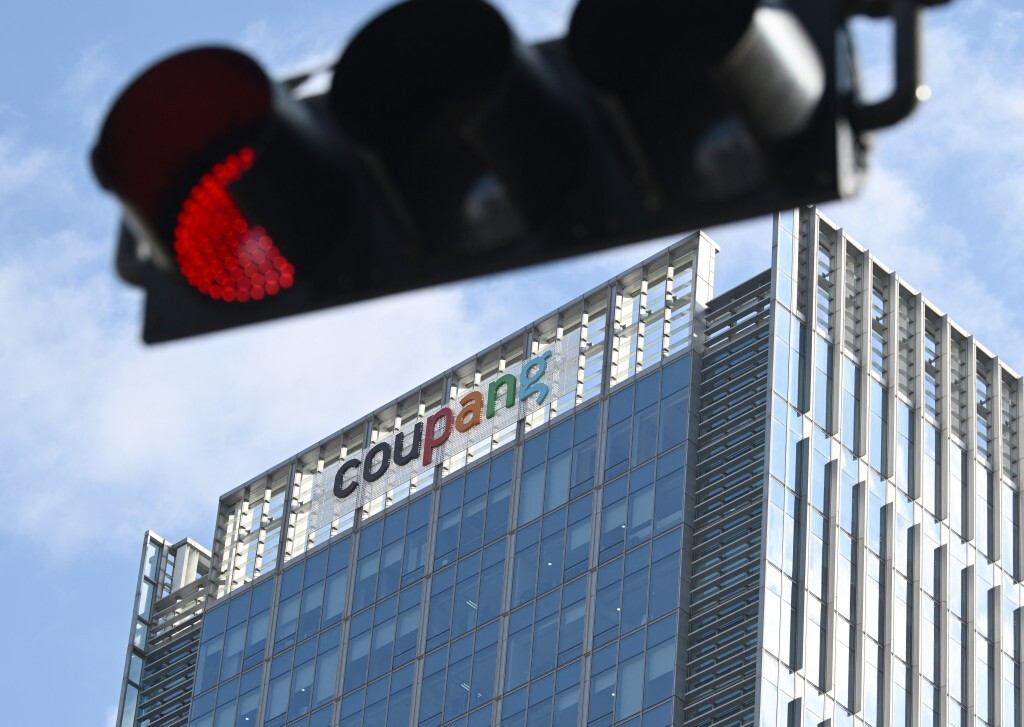
The recent "33.7 million personal information leak" surrounding Coupang is more than a simple security accident; it is shaking the moral foundation of the South Korean e-commerce myth. While Coupang has dominated the market with the overwhelming convenience of its "Rocket Delivery," this incident has exposed the reality of its flimsy internal controls and opaque governance—issues long hidden behind dazzling growth metrics. This crisis serves as a stern warning that ESG (Environmental, Social, and Governance) management is not merely a promotional tool, but a practical risk that determines a company’s survival.
The recent ESG evaluation results from S&P Global are shocking. Coupang, a company listed on the New York Stock Exchange (NYSE), received a score of only 9 out of 100. This ranks among the lowest in the global retail industry. Compared to direct peers like Amazon (26 points) or domestic competitors such as Shinsegae (42 points) and Lotte Shopping (39 points), the result is disastrous. Coupang may argue that the score was calculated based only on publicly available information because they did not directly participate in the evaluation. However, the fact that Amazon—which also did not participate—received a significantly higher score proves just how closed Coupang’s approach to information disclosure truly is.
In fact, Coupang stopped publishing formal sustainability reports in 2022. In their place, the company released a roughly 10-page "Impact Report" that highlights only favorable metrics, such as local employment growth and partner promotions. Core indicators for measuring corporate social responsibility, such as greenhouse gas emissions and specific governance structures, remain shrouded in mystery. While Coupang has built an image as an "ESG model student" in Korea through "win-win management" PR, it has consistently practiced "blind management" in the markets where it should be providing transparent information to investors.
The massive data breach that occurred this November clearly demonstrates this lack of management capability. While the volume of leaked data is unprecedented, the cause of the accident is even more painful. The fact that the signature keys of former employees were not revoked, and that even the most basic security measure—two-factor authentication (2FA)—was not implemented, reveals that Coupang’s security awareness falls far short of its reputation as a leading tech company. Furthermore, by failing to report a major cybersecurity incident within the four business days required by the U.S. Securities and Exchange Commission (SEC)—reporting it only a month later—the company exposed serious flaws in its governance (G).
In ESG management, information protection is a core element of Social responsibility (S), and the way a company responds to such issues is a barometer of its Governance (G) integrity. There is already a precedent where SK Telecom’s ESG rating plummeted by two notches following a data breach, causing it to lose investor appeal. In Coupang's case, the impact is expected to be even more severe, as it represents a systemic failure of internal control systems. Politicians are also strengthening punitive regulations, passing bills that can impose fines of up to 10% of total sales, making the practical blow to management increasingly visible.
Consumers and investors are no longer dazzled solely by a company's convenience or outward growth. We are in an era where corporate value is determined by how a company handles sensitive personal information and how honestly it communicates during a crisis. Coupang must take this incident as a painful lesson. Instead of being preoccupied with short-term performance improvements and promotional "impact," it must commit to transparent disclosure and the establishment of substantial internal control systems that meet global standards. A platform that has lost trust has no future. Coupang must not forget that the weight of responsibility is more important than the speed of innovation.
[Copyright (c) Global Economic Times. All Rights Reserved.]