![[등록] 2026-09-01 15:48:31](/support/_updata/banner2/tl181982910_6749.png)



Chronic Obstructive Pulmonary Disease (COPD), a condition often primarily associated with smoking, has been revealed to be a far more complex disease. A recent cohort study by the Korea National Institute of Health (KNIH) indicates that 71% of domestic COPD patients possess two or more causative factors for the disease. This finding strongly suggests that even non-smokers must actively engage in prevention and management strategies.
Multi-Factorial Origins Dominate the Disease
The KNIH cohort study, ongoing since 2016 and involving 3,476 Korean patients, categorized the causes of COPD into five types: genetics, impaired lung development, infection, smoking, and environmental pollution. The research clearly demonstrated that patients with only a single cause were in the minority. Instead, complex etiologies—such as a combination of smoking and environmental pollution, or smoking and infection—were the norm for the majority of patients.
Notably, post-infection COPD was observed more frequently in younger patients and women. Furthermore, this type of COPD carried a more than five-fold increased risk of severe exacerbation compared to COPD caused by smoking or environmental pollution alone.
The Silent Crisis of Underdiagnosis
COPD, a major chronic respiratory disease involving inflammation of the airways and lungs, manifests as symptoms like persistent coughing, phlegm production, and shortness of breath. It encompasses conditions like emphysema and chronic bronchitis, and tragically ranks as the third leading cause of death globally.
In Korea, the prevalence rate is particularly high among the elderly, with 28% of those aged 65 and over being affected. Yet, a concerning reality persists: only about 4% of these individuals are actually diagnosed and receive treatment. The initial symptoms are often mild, leading to them being mistakenly dismissed as simple aging or a common cold.
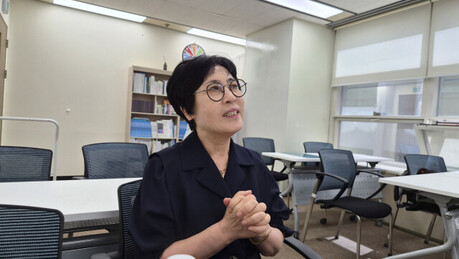
Professor Kim Ye-jin of the Department of Pulmonology at Seoul National University Bundang Hospital emphasized this danger, stating that patients frequently misunderstand the condition as merely a sign of 'getting older' or 'lack of exercise.' She warned that without early management, the disease can rapidly progress to acute exacerbation, with the probability of death within five years reaching a staggering 58%.
Governmental Action and Critical Lifestyle Management
In response to this significant public health issue, the Korean government plans to add a pulmonary function test to the national health screening program for 56- and 66-year-olds beginning next year. This initiative aims to facilitate early detection and link patients to smoking cessation and health management programs, thereby contributing to the prevention of severe illness.
Medical professionals are urgently stressing the importance of lifestyle management, with smoking cessation being paramount. Studies have confirmed that even long-term smokers can slow the rate of lung function decline by quitting.
Additionally, as the disease is more prevalent with age, adopting basic hygiene practices like mask-wearing and hand-washing is essential. Maintaining appropriate indoor temperature and humidity is also critical, especially in winter. Low temperatures below 18°C can cause the airways to contract, aggravating symptoms and increasing the risk of acute exacerbations. Furthermore, high-risk elderly populations are advised to receive vaccinations against respiratory infections such as influenza, pneumococcus, and shingles.
"Early detection and proper management, often requiring only regular monitoring or inhaled medication, can enable patients to live a lifetime with little inconvenience," Professor Kim affirmed, underscoring the power of proactive care.
[Copyright (c) Global Economic Times. All Rights Reserved.]