![[등록] 2026-09-01 15:48:31](/support/_updata/banner2/tl181982910_6749.png)


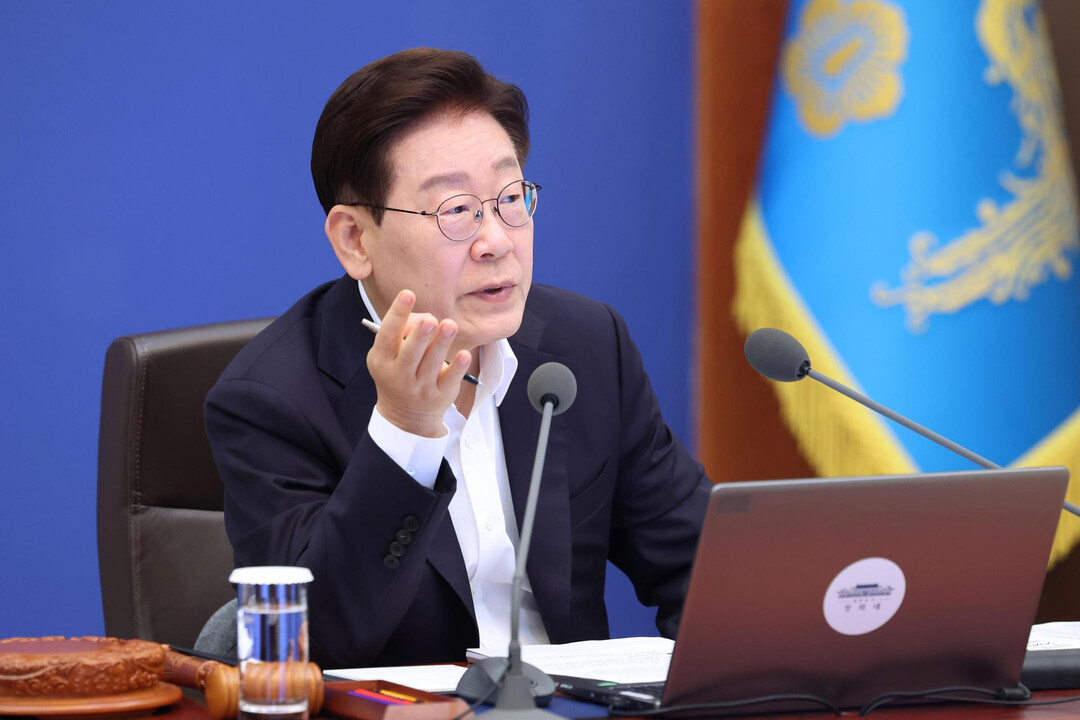
The South Korean government has finalized its draft budget for 2027, setting a record-high total expenditure of 820.9 trillion won (approximately $600 billion). Driven by a massive super-boom in the semiconductor sector, the government is expanding fiscal spending at an annual growth rate of 12.8%—surpassing the 10.6% rate recorded in 2009 during aggressive fiscal stimulus deployed to overcome the global financial crisis.
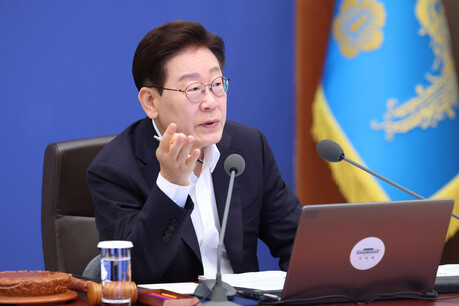
"Amid rapid shifts in the global order, our budget for next year must serve as a sturdy stepping stone to propel South Korea into a hyper-gap leading nation, while acting as a catalyst for tangible improvements in the daily lives of our citizens." — President Lee Jae-myung
Key Financial Highlights & Projections
Total Expenditure: 820.9 trillion won for 2027 (Up 93 trillion won or 12.8% from this year's 727.9 trillion won).
Tax Revenue Surge: National tax revenue is projected to reach 584.4 trillion won, a dramatic 49.8% increase from this year (390.2 trillion won), powered by semiconductor super-profits.
1,000 Trillion Era by 2030: With projected annual budget increases averaging 8.4% through 2030, total expenditures will cross the historic 1,000 trillion won threshold.
National Debt & Debt-to-GDP: National debt will rise from 1,413.8 trillion won (2026) to 1,519.8 trillion won (2027) and 1,734.1 trillion won (2030). However, the Debt-to-GDP ratio will improve to 48.3% in 2027 down from 51.6% this year.
Strategic Investments & Future Response Fund
To reverse low potential growth rates, the administration allocated funds into key strategic sectors:
Semiconductors & AI: 21.3 trillion won dedicated to 3 major mega-projects.
Future Growth Engines: 62.8 trillion won for advanced biotechnology, small modular reactors (SMRs), and aerospace.
Youth & Welfare: 43.3 trillion won for employment, marriage, and childcare support.
Regional Growth & Equality: 117.1 trillion won for balanced regional development and vulnerable groups.
Furthermore, a 162.3 trillion won Future Response Fund will be established using excess tax revenues to invest in youth, growth engines, regional economies, and education.
[Copyright (c) Global Economic Times. All Rights Reserved.]