
![[등록] 2026-09-01 15:48:31](/support/_updata/banner2/tl181982910_6749.png)


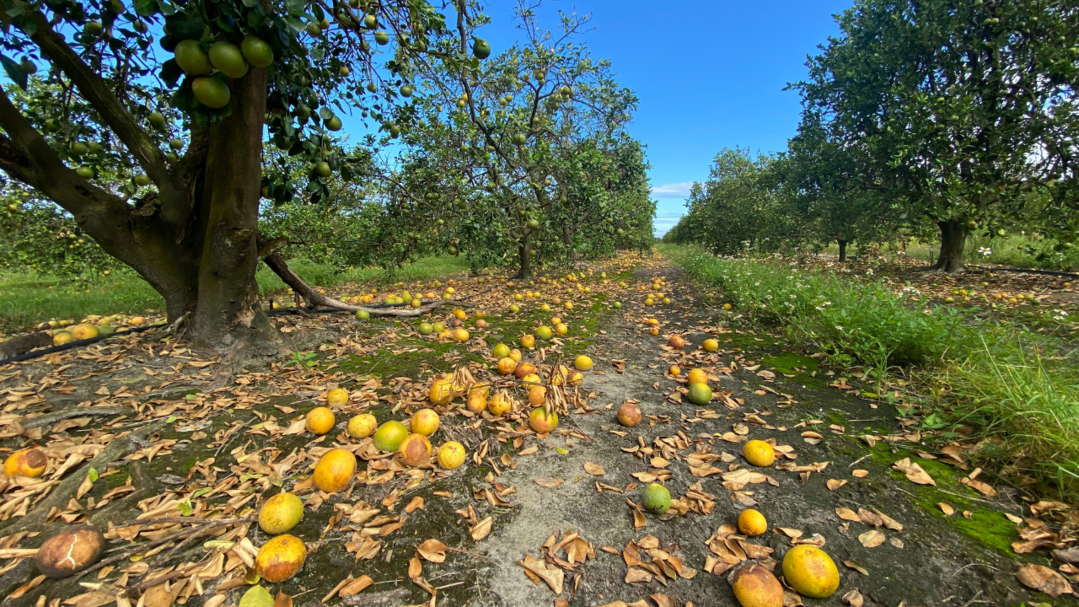
Fort Myers, FL – Alico Inc., one of Florida's most prominent citrus growers, has announced a significant shift in its business strategy, revealing plans to develop a sprawling 3,000-acre residential community in Southwest Florida. This move comes shortly after the company declared its intention to cease its citrus-growing operations at the conclusion of the current season, signaling a major turning point for the agricultural stalwart.
The Fort Myers-based corporation has filed a development application for the initial phase of its ambitious project, which envisions the creation of two distinct villages situated near the intersection of Collier, Lee, and Hendry counties. According to the company, each village is projected to encompass approximately 4,500 homes and will be thoughtfully integrated with a substantial 6,000 acres of dedicated conservation land.
Alico's extensive land holdings in Florida span 53,371 acres across eight counties, in addition to its ownership of 48,700 acres of oil, gas, and mineral rights within the state. The company's decision to exit the citrus industry, announced in January, was attributed to a precipitous decline in production, with output plummeting by nearly three-quarters over the past decade.
A Symptom of a Larger Crisis
Alico's struggles are not an isolated incident but rather a stark reflection of the broader crisis engulfing Florida's once-thriving citrus industry. Over the past two decades, the state's orange production has experienced a staggering 90% decline, a devastating trend fueled by a confluence of environmental and biological challenges.
Devastating hurricanes have repeatedly battered citrus groves, causing significant damage to trees and infrastructure. Moreover, the relentless spread of citrus greening disease, also known as Huanglongbing (HLB), has had a catastrophic impact. This incurable bacterial disease, transmitted by the Asian citrus psyllid, disrupts the flow of nutrients within citrus trees, leading to the production of small, misshapen, and bitter fruit, ultimately causing tree decline and death. The disease has proven particularly virulent and difficult to manage, posing an existential threat to citrus cultivation in the state.
The economic consequences of this decline have been substantial, impacting not only growers but also related industries such as processing, transportation, and tourism. The cultural heritage associated with Florida's citrus groves, once an iconic part of the state's landscape and identity, is also facing erosion.
Development Pressure Mounts
Compounding the challenges faced by citrus growers is the relentless pressure from real estate development. Florida's burgeoning population has created a high demand for housing, leading developers to increasingly target agricultural land, including former citrus groves, for residential and commercial projects. The economic incentives of selling land for development often outweigh the increasingly precarious profitability of citrus farming.
Historical data underscores the dramatic transformation of Florida's landscape. At the turn of the 21st century, citrus groves covered more than 832,000 acres across the state. By last year, this figure had dwindled to a mere 275,000 acres. This significant reduction in acreage reflects both the impact of disease and natural disasters, as well as the conversion of agricultural land to other uses.
The decline in production has also resulted in a significant shift in the national citrus landscape. California has now surpassed Florida as the leading citrus producer in the United States, a testament to the challenges that have beset Florida's industry.
Alico's Vision for the Future
Alico's decision to transition to real estate development represents a strategic pivot in response to these challenging realities. The company's extensive land holdings provide a significant asset for this new venture. The proposed 3,000-acre community signifies a large-scale commitment to the development sector.
The integration of 6,000 acres of protected conservation land into the development plans suggests an awareness of environmental considerations and a potential effort to create a more sustainable and appealing community. This approach could attract environmentally conscious buyers and mitigate some potential concerns about the loss of agricultural land.
However, the transition from agricultural operations to real estate development is not without its complexities. Alico will need to navigate the intricacies of land development, zoning regulations, infrastructure planning, and market dynamics. The success of this venture will depend on the company's ability to effectively manage these new challenges and capitalize on the demand for housing in Southwest Florida.
Broader Implications for Florida
Alico's move could be indicative of a broader trend as other citrus growers in Florida grapple with similar economic and environmental pressures. The conversion of agricultural land to development raises important questions about the future of agriculture in the state and the balance between economic growth and the preservation of natural resources and agricultural heritage.
State and local authorities may face increasing pressure to address the challenges facing the citrus industry and to consider policies that support agricultural diversification or land conservation. The long-term implications of the decline in citrus production extend beyond the economic realm, potentially impacting Florida's cultural identity and its agricultural landscape for generations to come.
As Alico embarks on this new chapter, its experience will be closely watched by the agricultural and real estate sectors alike, serving as a case study in the adaptation and transformation of a long-standing industry in the face of significant challenges. The future landscape of Southwest Florida, once dominated by citrus groves, is poised for a significant transformation.
[Copyright (c) Global Economic Times. All Rights Reserved.]














