• 2025.12.11 (Thu)
  • All articles
  • LOGIN
  • JOIN
Global Economic Times
APEC2025KOREA가이드북
  • Synthesis
  • World
  • Business
  • Industry
  • ICT
  • Distribution Economy
  • Well+Being
  • Travel
  • Eco-News
  • Education
  • Korean Wave News
  • Opinion
  • Arts&Culture
  • Sports
  • People & Life
  • Column
    • Cho Kijo Column
    • Lee Yeon-sil Column
    • Ko Yong-chul Column
    • Cherry Garden Story
  • Photo News
  • New Book Guide
MENU
 
Home > Business

South Korea's Rail Consolidation vs. Global Trend of Competition and Service Quality

Global Economic Times Reporter / Updated : 2025-12-09 09:10:01
  • -
  • +
  • Print
South Korea's Rail Reform at a Crossroads: Integration vs. Enhanced Competition

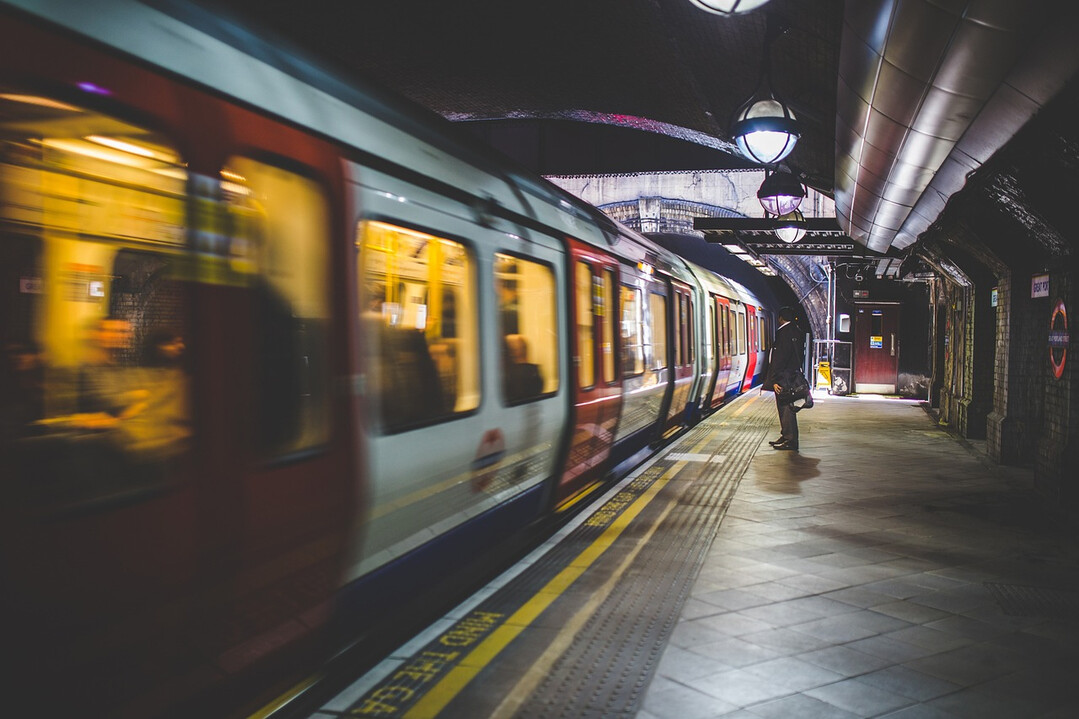
(C) Pixabay

The South Korean government's announcement to integrate the state-owned Korea Railroad Corporation (KORAIL) and SR, a high-speed rail operator, by 2026 has ignited a debate over the future structure of the domestic railway industry. While KORAIL and SR currently engage in limited competition on KTX and SRT routes, the proposed merger suggests a potential return to a single, nationalized entity. Critics argue that before proceeding, South Korea must seriously consider international examples where the adoption of a "competitive system" has led to structural reform and significant service quality improvements.

European Union (EU): Driving Service Innovation through Inter-State Competition

The European Union has actively promoted a service competition system through phased joint plans for railway transport infrastructure development between 2003 and 2016. The goal is to encourage competition between national rail companies across borders to ultimately enhance consumer benefits.

A prime example is the entry of Trenitalia, the Italian state-owned railway company, into the French market. Since late 2021, Trenitalia has been operating on the major route connecting Paris–Lyon–Marseille with Milan, directly competing with the French national railway company, SNCF. Furthermore, Trenitalia has announced plans to enter the London-Paris route, currently monopolized by Eurostar, by 2029, intensifying the competitive landscape across Europe.

Domestically, Trenitalia competes with the private company NTV. Austria also operates a "two-strong system," where the private railway company Westbahn began competing with the state-owned OBB on routes like Vienna–Salzburg in 2011, successfully driving up service standards.

Germany and Japan: Efficiency and Specialization through Private Involvement

Germany maintains a single national railway company, Deutsche Bahn (DB), but enhances operational efficiency by placing multiple subsidiaries under a holding company structure. Crucially, Germany opens its rail market to private participation, particularly allowing private railway companies to manage local branch lines.

Japan's case is more radical. In 1987, the state-owned Japanese National Railways (JNR) was dissolved and privatized into six passenger companies and one freight company. Furthermore, private railways (Shitetsu) operated by individual corporations like Seibu and Tokyu play a vital role. These private operators have developed self-sustaining business models by generating revenue through real estate development around the stations they own and operate.

Choi Jin-seok, Director of the Railway Economy Research Institute, notes that having multiple railway operators within a single country is a common international practice. He suggests that before the KORAIL-SR integration, South Korea should deeply consider the successful overseas models that achieved structural reform and service enhancement through competition. The growing consensus is that for the South Korean rail industry to achieve both service innovation and management efficiency, a structural reform based on competition and openness is essential, rather than merely organizational consolidation.

[Copyright (c) Global Economic Times. All Rights Reserved.]
  • #Globaleconomictimes
  • #Korea
  • #Seoul
  • #Samsung
  • #LG
  • #Bitcoin
  • #Meta
  • #Business
  • #Economic
  • #The Woori Bank
Global Economic Times Reporter
Reporter Page

Popular articles

  • Kioxia Plunges to Daily Limit on Disappointing Earnings, Rattling Global Chip Stocks

  • Primera Edición de los 'MYKOREA Awards in Bangkok' Concluye con Éxito... Confirmando el Potencial de la Plataforma de Intercambio Global para Expandirse a Países de Todo el Mundo

  • Farewell to a Legend: South Korea Mourns the Passing of Esteemed Actor Lee Soon-jae

I like it
Share
  • Facebook
  • X
  • Kakaotalk
  • LINE
  • BAND
  • NAVER
  • https://www.globaleconomictimes.kr/article/1065571604114965 Copy URL copied.
Comments >

Comments 0

Weekly Hot Issue

  • Won-Dollar Exchange Rate Rises to 7-Month High: South Korean Authorities Scramble to Stabilize Currency as Overseas Investment Surges
  • South Korea Confirmed as Co-Host of 2028 UN Ocean Conference (UNOC)
  • Netflix Stock Plummets 10% on Credit Downgrade Fears Following Blockbuster Warner Bros. Acquisition
  • Tech Tensions Flare: DeepSeek Allegedly Smuggles Banned NVIDIA Blackwell Chips for New AI Model
  • From Court to Content: French Tennis Star Océane Dodin Trades Racquet for OnlyFans, Eyes $5M in a Year
  • Alibaba's AI Ascent: Stock Soars 70% as Tech Giant Pivots Beyond E-commerce

Most Viewed

1
Korean War Ally, Reborn as an 'Economic Alliance' Across 70 Years: Chuncheon's 'Path of Reciprocity,' a Strategic
2
A Garden Where the City's Rhythm Stops: Dongdaemun's 'Cherry Garden', Cooking Consideration and Diversity
3
The Sudden Halt of Ayumi Hamasaki's Shanghai Concert: Unpacking the Rising Sino-Japanese Tensions
4
Alliance in a Dilemma: The Fallout of Trump's Advice to Takaichi Not to 'Provoke Taiwan' 
5
The Paradox of the 'Juvenile Offender' (Chokbeop Sonyeon): Impunity or Unfinished Rehabilitation?
광고문의
임시1
임시3
임시2

Hot Issue

Tech Tensions Flare: DeepSeek Allegedly Smuggles Banned NVIDIA Blackwell Chips for New AI Model

Samsung SDI Secures Multi-Trillion Won LFP Battery Deal, Marking Full-Scale Entry into US ESS Market

Netflix Stock Plummets 10% on Credit Downgrade Fears Following Blockbuster Warner Bros. Acquisition

LG Innotek Develops Eco-Friendly Next-Gen Smart IC Substrate, Reducing Carbon Emissions by Half

Let’s recycle the old blankets in Jeju Island’s closet instead of incinerating them.

Global Economic Times
korocamia@naver.com
CEO : LEE YEON-SIL
Publisher : KO YONG-CHUL
Registration number : Seoul, A55681
Registration Date : 2024-10-24
Youth Protection Manager: KO YONG-CHUL
Singapore Headquarters
5A Woodlands Road #11-34 The Tennery. S'677728
Korean Branch
Phone : +82(0)10 4724 5264
#304, 6 Nonhyeon-ro 111-gil, Gangnam-gu, Seoul
Copyright © Global Economic Times All Rights Reserved
  • 에이펙2025
  • APEC2025가이드북TV
  • 독도는우리땅
Search
Category
  • All articles
  • Synthesis
  • World
  • Business
  • Industry
  • ICT
  • Distribution Economy
  • Well+Being
  • Travel
  • Eco-News
  • Education
  • Korean Wave News
  • Opinion
  • Arts&Culture
  • Sports
  • People & Life
  • Column 
    • 전체
    • Cho Kijo Column
    • Lee Yeon-sil Column
    • Ko Yong-chul Column
    • Cherry Garden Story
  • Photo News
  • New Book Guide
  • Multicultural News
  • Jobs & Workers