• 2026.11.11 (Wed)
  • All articles
  • LOGIN
  • JOIN
Global Economic Times
[등록] 2026-09-01 15:48:31
  • Synthesis
  • World
  • Business
  • Industry
  • ICT
  • Distribution Economy
  • Well+Being
    • Pet Life
    • Halal Horizon
  • Travel
  • Eco-News
  • Education
  • Korean Wave News
  • Opinion
  • Arts&Culture
  • Sports
  • People & Life
    • International Student Report
    • With Ambassador
  • Column
    • Cho Kijo Column
    • Cherry Garden Story
    • Ko Yong-chul Column
    • Kim Bong-seon's Photo Column
    • Kim Seul-Ong Column
    • Lee Yeon-sil Column
  • Photo News
  • New Book Guide
MENU
 
Home > Well+Being

"Even a Cough Can Break the Spine?" — Back Pain After Kimchi-Making Season

Yim Kwangsoo Correspondent / Updated : 2026-11-04 09:14:43
  • -
  • +
  • Print

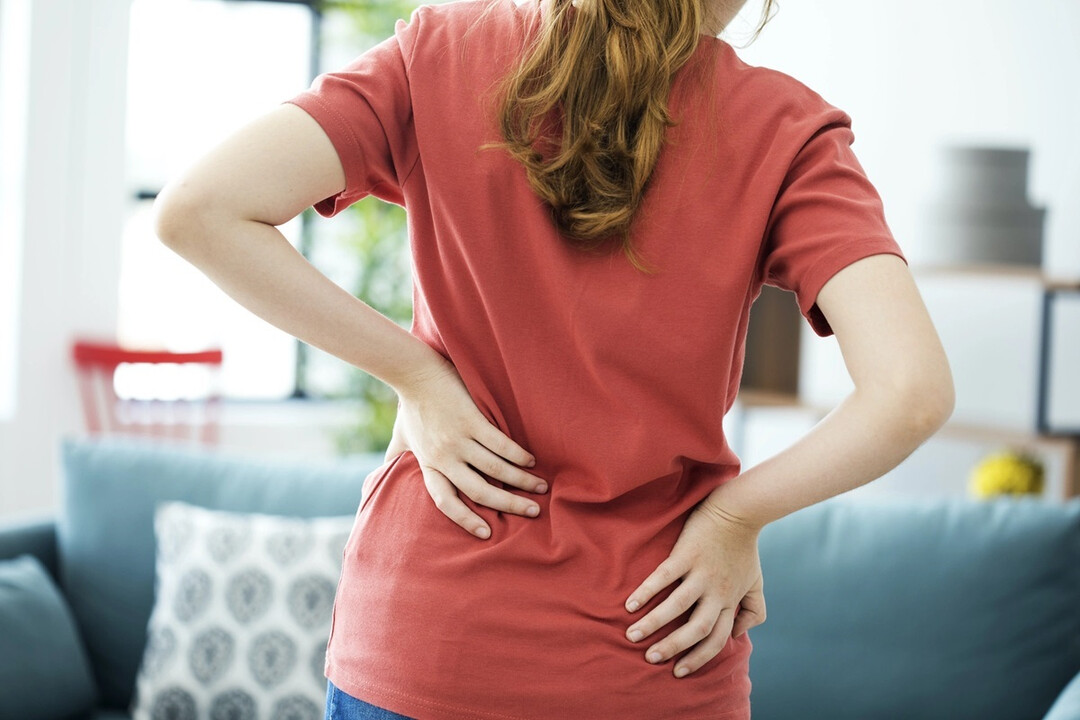
Just lifting a batch of cabbage for kimchi-making led to a sharp twist in the back, but the diagnosis at the hospital was a "spinal fracture." For the elderly with weakened bones, this is not an unusual occurrence. When osteoporosis is severe, even without a fall, simply lifting heavy objects or bending the back can cause the vertebrae to collapse.

A spinal compression fracture occurs when the vertebrae fail to withstand external pressure and flatten downward. Among older adults, osteoporosis is the primary cause. Osteoporosis is a condition where bone density decreases and bone microarchitecture weakens, making bones prone to breaking under minor impacts. Because it usually presents no symptoms in daily life, it often progresses unnoticed.

"The Vicious Cycle of Fractures": Breaking Once Leads to Another

The real trouble begins after the fracture. When compressed vertebrae cause the spine to hunch or misalign, the body's center of gravity shifts forward, leading to an unsteady gait. This increases the risk of falling again, triggering a vicious cycle of subsequent fractures. Patients who have suffered osteoporotic spinal compression fractures face a high risk of additional fractures and require consistent, long-term management.

Dr. Park Jung-hyun, a neurosurgery specialist at the Spine Center of Juan Nanuri Hospital, noted, "Spinal compression fractures in the elderly should not be viewed merely as simple fall accidents, but must be examined alongside osteoporosis, which weakens the bones." He added, "If back or spine pain persists after a fall or if mobility becomes difficult, individuals should check for spinal fractures and undergo comprehensive osteoporosis screening."

Diagnosis begins with a spinal X-ray to check for bone deformation and fractures. When necessary, an MRI provides a detailed look at acute fractures and surrounding nerve compression. A bone mineral density (BMD) test is also performed to assess the severity of osteoporosis and evaluate the risk of future fractures.

Beyond Cement Surgery: Osteoporosis Treatment is the "Real Treatment"

Treatment is determined based on the severity of the fracture, pain levels, spinal stability, and the patient's overall health condition. If the fracture is relatively stable and there are no neurological abnormalities, conservative treatments—such as pain relievers, brace wearing, and activity modification—are prioritized. During this period, prolonged bed rest can lead to muscle loss and complications, making it crucial to resume movement at the appropriate time under medical guidance.

When severe pain persists despite sufficient conservative treatment or severely limits daily activities, a percutaneous vertebroplasty may be considered. This procedure stabilizes the fractured site by injecting medical bone cement into the fractured vertebra using a fine needle. While it provides pain relief, it is not necessary for every compression fracture patient and must be carefully decided based on imaging exams and symptoms.

Even more important is post-fracture management. Spinal vertebroplasty stabilizes the fractured area, but it does not cure osteoporosis itself. If bones remain weak, new fractures can occur in other vertebrae or the hips. Comprehensive care—including osteoporosis medication, regular bone density tests, strength and balance exercises, and environmental modifications to prevent falls—must be implemented simultaneously.

Dr. Park emphasized, "The goal of spinal compression fracture treatment goes beyond immediate pain relief; it is to help patients safely walk and maintain their daily lives again. Because the risk of additional fractures increases significantly after a single fracture, persistently treating and managing osteoporosis is of utmost importance."

[Copyright (c) Global Economic Times. All Rights Reserved.]

  • #Cherry Garden
  • #HalalFood
  • #Halal
  • #Petlife
  • #Halalhorizone
  • #Hormuz Impasse
  • #globaleconomictimes
  • #micorea
  • #mykor
Yim Kwangsoo Correspondent

Popular articles

  • Chungnam Province Steps Up to Establish Order in Surveying Industry

  • Daewoong Pharmaceutical Builds 'Aseptic Micro-Needle Manufacturing Facility'… Pushing for GMP Approval Next Year

  • Kiwoom Securities: "Growth of Foldable Smartphones to Stand Out... Domestic Beneficiaries"

I like it
Share
  • Facebook
  • X
  • Kakaotalk
  • LINE
  • BAND
  • NAVER
  • https://www.globaleconomictimes.kr/article/1065571999726398 Copy URL copied.
Comments >

Comments 0

Weekly Hot Issue

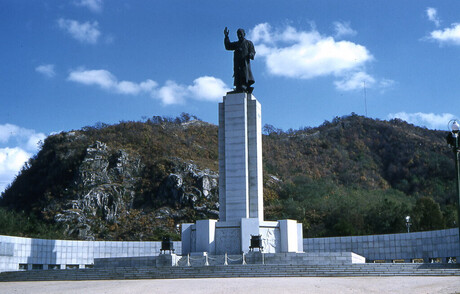
  • Inha University Caught in Campus Culture Clash Over Proposed Rhee Syng-man Statue Revival
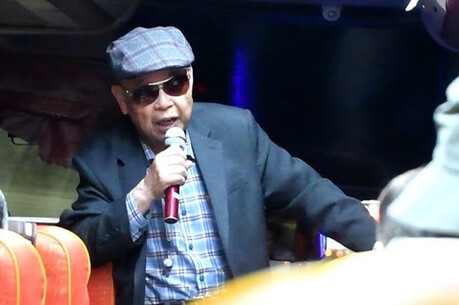
  • Honoring a Legacy: Poet Oh Dong-chun Recognized for Lifelong Dedication to Hangul and Sijo Poetry
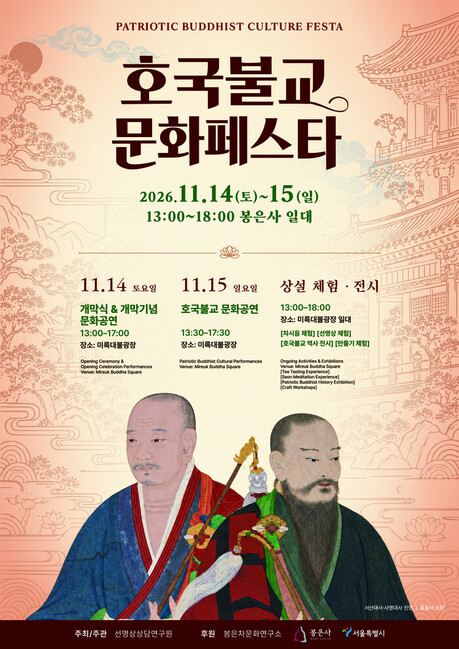
  • Bongeunsa Temple to Host 2026 Patriotic Buddhism Cultural Festa
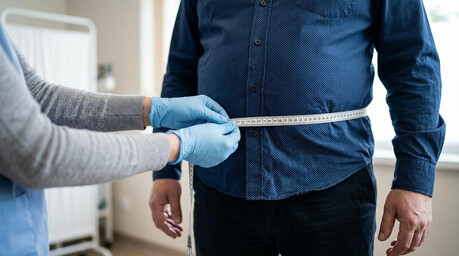
  • South Korea Confronts a Growing Health Crisis as Adult Obesity Rates Surge
  • Pain of Chosei Coal Mine Meets Japanese Readers: Moon Young-sook Publishes Japanese Edition of 'Black Sea'
  • Beyond the Trillion-Dollar Mark: China’s Trade Surplus and the Debate Over Global Economic Dominance

Most Viewed

1
US Army Conducts Rare Temporary Burial Drills to Prepare for Worst-Case Large-Scale War Scenarios
2
World Citizens are Flying Directly to Busan... The Era of 4 Million Foreigners is Just Around the Corner
3
Eating 100g of Baechu Kimchi Daily Linked to Lower High-Cholesterol Risks
4
Meeting Christmas Early!… Busan Dessert Sales Event "Daldal The Market" Held
5
November Shopping Festival Sparks Retail War in South Korea: Where to Find the Best Deals
체리가든 스토리
nutri huevos
로타리
동포저널

Hot Issue

Jensen Huang Faces Shareholder Class Action and Leadership Scrutiny Amid Espionage Allegations Involving Former Associate

Disgraced South Korean Scientist Hwang Woo-suk Becomes UAE Citizen

Is South Korea Heading Toward France's Path? Aging Population and Fiscal Pressures Looming Ahead

Fashion Runway Show 2026

Let’s recycle the old blankets in Jeju Island’s closet instead of incinerating them.

Global Economic Times
korocamia@naver.com
CEO : LEE YEON-SIL
Publisher : KO YONG-CHUL
Registration number : Seoul, A55681
Registration Date : 2024-10-24
Youth Protection Manager: KO YONG-CHUL
Singapore Headquarters
5A Woodlands Road #11-34 The Tennery. S'677728
Korean Branch
Phone : +82(0)10 4724 5264
#304, 6 Nonhyeon-ro 111-gil, Gangnam-gu, Seoul
Copyright © Global Economic Times All Rights Reserved
  • News K
  • 반달곰 프로젝트
  • 광고문의
Search
Category
  • All articles
  • Synthesis
  • World
  • Business
  • Industry
  • ICT
  • Distribution Economy
  • Well+Being 
    • 전체
    • Pet Life
    • Halal Horizon
  • Travel
  • Eco-News
  • Education
  • Korean Wave News
  • Opinion
  • Arts&Culture
  • Sports
  • People & Life 
    • 전체
    • International Student Report
    • With Ambassador
  • Column 
    • 전체
    • Cho Kijo Column
    • Cherry Garden Story
    • Ko Yong-chul Column
    • Kim Bong-seon's Photo Column
    • Kim Seul-Ong Column
    • Lee Yeon-sil Column
  • Photo News
  • New Book Guide
  • Overseas Koreans
  • Multicultural News