![[등록] 2026-09-01 15:48:31](/support/_updata/banner2/tl181982910_6749.png)


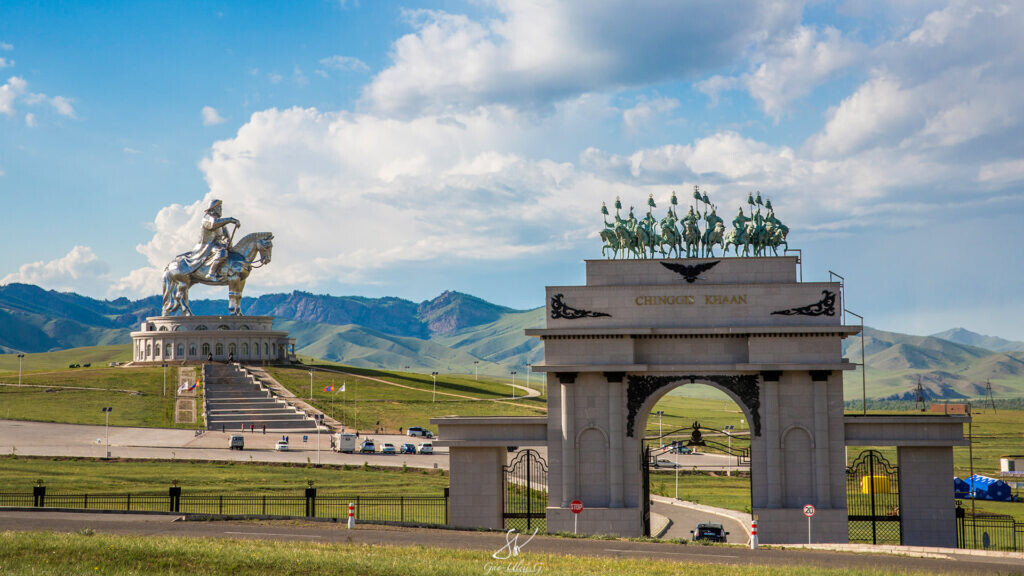
(C) Central Mongolia Tour
For modern individuals exhausted by civilization, Mongolia is no longer a “faraway exotic land.” With the "Visit Mongolia Years" campaign in full swing since 2024 and an increase in flight routes, Mongolia has emerged as a top exotic travel destination for Koreans. The endless prairies, the Milky Way embroidering the night sky, and the nomadic lifestyle preserved for millennia ask us, who are buried in the speed of the city, what "true rest" really means.
To mark the New Year of 2026, this paper has selected and deeply analyzed five major must-visit destinations in Mongolia, based on the national tourism zones designated by the Mongolian government and traveler preferences.
1. Feel the Breath of Genghis Khan: Terelj National Park
Located just a 1-hour and 30-minute drive from Ulaanbaatar, Terelj National Park is known as the beginning and the end of Mongolian travel. It offers excellent accessibility while concentrating the essence of Mongolia's great nature.
Key Landmarks: The "Turtle Rock," whose massive stone form creates a natural mystery, and the "Aryapala Temple," said to wash away one's worldly agonies, are representative sites. The path to Aryapala Temple consists of stairs shaped like a mandala, making visitors feel as if they are meditating just by walking.
Experience Point: Horseback riding trekking along the gentle ridges is the highlight of Terelj. Even beginners can roam the vast plains with the help of local horsemen. Recently, an increasing number of high-end Ger camps equipped with modern facilities have made it an ideal spot for an uncomfortable-free rest under the starlight.
2. Burning Cliffs and the Song of Sand: Gobi Desert
The Gobi Desert, located in southern Mongolia, offers a landscape far beyond the sand dunes one might typically imagine. It is a world-class paleontological holy site where the wonders of nature coexist.
Key Landmarks: "Bayanzag," named for its cliffs that appear to be on fire when reflected in the sunset, is the site where the world's first dinosaur egg fossils were discovered. Additionally, "Khongoryn Els" is a massive sand dune reaching 300 meters in height; it is called the "Singing Sands" because of the sound the sand makes when the wind blows.
In-depth Analysis: The Gobi Desert is more than just a tourist attraction; it is a site reflecting climate change. The "Yolin Am" valley, where ice used to remain even in summer temperatures exceeding 40°C, has recently seen the ice melt earlier due to global warming. Thus, the balance between conservation and tourism has become a vital topic of discussion.
3. The Blue Pearl of Mongolia: Khuvsgul Lake
Located in northern Mongolia near the Russian border, Khuvsgul Lake well deserves its nickname, the "Alps of Mongolia." It boasts the second-clearest water in the world and is a massive lake containing over 70% of Mongolia's total freshwater.
Scenery and Culture: The reflection of clouds on the crystal-clear lake is a masterpiece. The lake is surrounded by the Taiga (coniferous forest) zone, where visitors can encounter the unique culture of the "Tsaatan" people, a minority group that lives by herding reindeer.
Travel Tip: In winter, the entire lake freezes thick, turning into a massive ice rink. The "Blue Pearl Ice Festival" held during this time creates a spectacle that attracts photographers from around the world.
4. The Glory of the Nomadic Empire: Erdene Zuu Monastery and Karakorum
For travelers seeking historical depth, Karakorum—the ancient capital of the Mongol Empire—is a must. This was the center of history where Genghis Khan and his descendants established their base to rule the world in the 13th century.
Historical Value: Located in the Orkhon Valley, a UNESCO World Heritage site, the "Erdene Zuu" Monastery is the oldest Buddhist monastery in Mongolia. Surrounded by 108 stupas, this temple silently testifies to the dignity of the past empire.
Exhibitions: The Karakorum Museum displays artifacts from the Mongol Empire era, showing that Mongolia was not just a nomadic state but a country that enjoyed a highly advanced civilization.
5. Open-Air Bathing on the Prairie: Tsenkher Hot Spring
The Tsenkher Hot Spring is the perfect place to wash away the fatigue of Mongolian travel. The 86.5°C sulfur hot spring water gushing from an altitude of 1,800 meters is a unique and charming point of a Mongolian journey.
The Joy of Experience: Enjoying an open-air bath under the pouring starlight at night while looking out at the green plains during the day is a luxury hard to find anywhere else in the world. It is considered the best place to relax muscles tired from horseback riding or long-distance travel.
Accommodations: Following the surge in Korean tourists, many hot spring camps have modernized their facilities, and "Premium Gers" equipped with indoor shower facilities are gaining popularity.
Sustainable Tourism: Mongolia’s New Challenge
In response to the recent surge in tourists, the Mongolian government has designated 17 areas across 12 provinces (aimags) as national tourism zones. This is an expression of their commitment to practicing "Green Tourism," which minimizes negative impacts on the natural environment beyond just expanding infrastructure.
An official from the Mongolia Tourism Organization stated, “2026 will be the inaugural year for Mongolia to leap forward as a world-class ecotourism destination. We will provide the best convenience for Korean tourists, including the training of Korean-speaking guides and the maintenance of visa-free policies.”
Hidden behind the harsh winds and dust are jewel-like landscapes. Mongolia is now transforming from a land of rugged adventure into "the last paradise on Earth" that heals the weary soul.
[Copyright (c) Global Economic Times. All Rights Reserved.]