• 2026.03.22 (Sun)
  • All articles
  • LOGIN
  • JOIN
Global Economic Times
fashionrunwayshow2026
  • Synthesis
  • World
  • Business
  • Industry
  • ICT
  • Distribution Economy
  • Well+Being
  • Travel
  • Eco-News
  • Education
  • Korean Wave News
  • Opinion
  • Arts&Culture
  • Sports
  • People & Life
    • International Student Report
    • With Ambassador
  • Column
    • Cho Kijo Column
    • Cherry Garden Story
    • Ko Yong-chul Column
    • Kim Seul-Ong Column
    • Lee Yeon-sil Column
  • Photo News
  • New Book Guide
MENU
 
Home > Synthesis

U.S. Residential Electricity Rates Set to Surge Further in 2026, Emerging as Key Midterm Election Variable

Eunsil Ju Reporter / Updated : 2025-12-30 09:16:08
  • -
  • +
  • Print

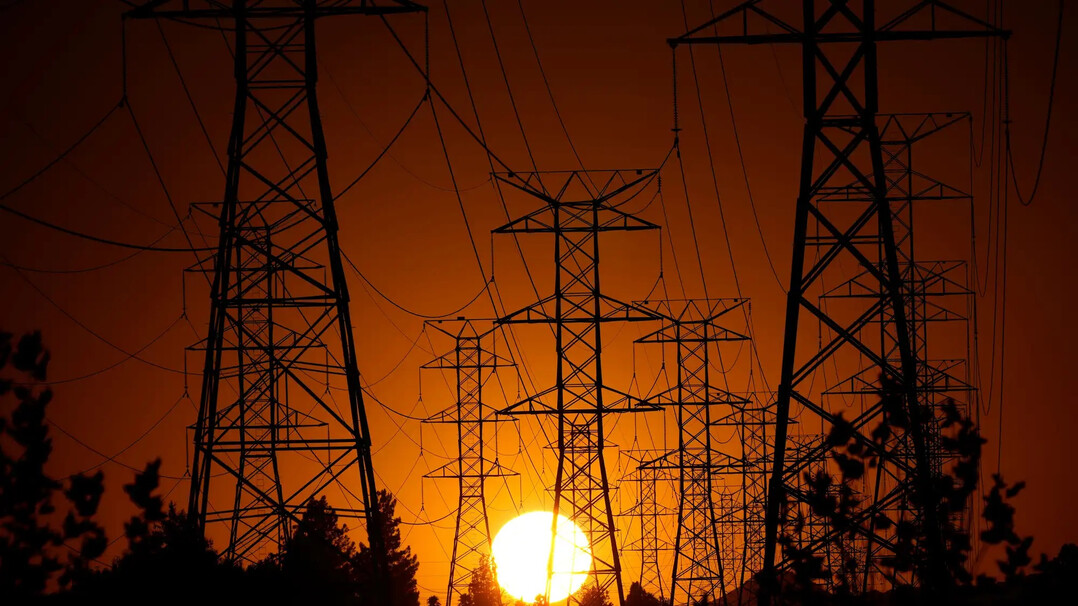
(C) MPR News

WASHINGTON — Rising electricity costs are becoming a central socioeconomic issue in the United States, as residential rates continue to climb, significantly impacting consumer sentiment and shaping the political landscape ahead of the 2026 midterm elections.

According to a report by the Wall Street Journal (WSJ) citing the U.S. Department of Energy, average residential electricity rates are projected to increase by approximately 4% next year, following a 4.9% surge in 2025. For many American households, electricity is the second-largest energy expense after gasoline, with a growing number of homes relying on it for heating.

The political fallout is already visible. In the recent New Jersey gubernatorial election, Democrat Mikie Sherrill secured a victory after pledging to freeze utility rates in a state where prices jumped 21% year-over-year. Similarly, in Georgia, voter frustration over rising costs led to the unseating of Republican incumbents on the Public Service Commission.

Experts point to a complex web of factors driving the hike. While the rapid expansion of AI data centers is often blamed for straining the grid, other critical drivers include:

Aging Infrastructure: Private utilities plan to invest $1.1 trillion in transmission and distribution through 2029—double the investment of the previous decade.
Climate Resilience: Costs associated with repairing damage from hurricanes and preventing wildfires.
Policy Shifts: State-led transitions toward renewable energy sources.
The National Energy Assistance Directors' Association estimates that home heating costs will rise 9% this winter, reaching an average of $995 per household. As these costs hit voters' wallets, analysts predict that energy affordability will be a decisive "pocketbook issue" in the November 2026 elections, where control of Congress will be at stake.

[Copyright (c) Global Economic Times. All Rights Reserved.]

  • #Globaleconomictimes
  • #Korea
  • #Seoul
  • #Samsung
  • #LG
  • #Bitcoin
  • #Meta
  • #Business
  • #Economic
  • #The Woori Bank
  • #Elon Musk
Eunsil Ju Reporter
Eunsil Ju Reporter

Popular articles

  • Instagram to Alert Parents When Teens Search for 'Self-Harm' or 'Suicide'

  • IT Telecom Clinches V2X Supply Deal for New York State Autonomous Driving Project

  • “Mastering Household Chores”: US Humanoid Robot Demonstrates Living Room Cleaning Capabilities

I like it
Share
  • Facebook
  • X
  • Kakaotalk
  • LINE
  • BAND
  • NAVER
  • https://www.globaleconomictimes.kr/article/1065572106278809 Copy URL copied.
Comments >

Comments 0

Weekly Hot Issue

  • Appellate Court Begins Review of Kakao Founder’s Acquittal in SM Entertainment Stock Rigging Case
  • AI Supercycle Propels Global Semiconductor Market Toward $1 Trillion Milestone
  • Naver Suspends Election Comments to Combat Cyberbullying and Misinformation Ahead of June Polls
  • Lotte Town Myeongdong Lights Up with 'Welcome Light' to Greet Global K-Pop Fans
  • K-Beauty SMEs Join Forces with Distributors: A New Paradigm for Global Expansion through Strategic Consortiums
  • BMW ‘The New i3’ Next-Gen EV: 900km Range 

Most Viewed

1
An Open Letter to BTS On the Eve of a Historic Performance
2
From Industrial Capital to Tourism Mecca... Ulsan Makes a Bold Move with ‘Experiential Content’ in 2026
3
Ko Sang-goo, President of World Federation of Korean Associations, Elected as First Private Sector Chair of World Korean Community Leaders Convention
4
It is Time for BTS’s Fandom, ARMY, to Step Forward
5
Korean Stock Market Plunges: Circuit Breaker and Sidecar Triggered Amid Geopolitical Crisis
광고문의
임시1
임시3
임시2

Hot Issue

Netflix Declares BTS Comeback Live “ARIRANG” as the Year’s Biggest Global Event

AI Medical Ecosystem in Focus: KIMES 2026 Opens in Seoul as Global Healthcare Hub

Netanyahu Declares Decisive Blow to Iran’s Nuclear and Missile Programs, Signals Early End to War

Intel Announces 10% Price Hike on CPUs: PC Manufacturers Bracing for Massive Production Cost Spikes

Let’s recycle the old blankets in Jeju Island’s closet instead of incinerating them.

Global Economic Times
korocamia@naver.com
CEO : LEE YEON-SIL
Publisher : KO YONG-CHUL
Registration number : Seoul, A55681
Registration Date : 2024-10-24
Youth Protection Manager: KO YONG-CHUL
Singapore Headquarters
5A Woodlands Road #11-34 The Tennery. S'677728
Korean Branch
Phone : +82(0)10 4724 5264
#304, 6 Nonhyeon-ro 111-gil, Gangnam-gu, Seoul
Copyright © Global Economic Times All Rights Reserved
  • 에이펙2025
  • APEC2025가이드북TV
  • 독도는우리땅
Search
Category
  • All articles
  • Synthesis
  • World
  • Business
  • Industry
  • ICT
  • Distribution Economy
  • Well+Being
  • Travel
  • Eco-News
  • Education
  • Korean Wave News
  • Opinion
  • Arts&Culture
  • Sports
  • People & Life 
    • 전체
    • International Student Report
    • With Ambassador
  • Column 
    • 전체
    • Cho Kijo Column
    • Cherry Garden Story
    • Ko Yong-chul Column
    • Kim Seul-Ong Column
    • Lee Yeon-sil Column
  • Photo News
  • New Book Guide
  • Multicultural News
  • Jobs & Workers