• 2026.09.02 (Wed)
  • All articles
  • LOGIN
  • JOIN
Global Economic Times
[등록] 2026-09-01 15:48:31
  • Synthesis
  • World
  • Business
  • Industry
  • ICT
  • Distribution Economy
  • Well+Being
  • Travel
  • Eco-News
  • Education
  • Korean Wave News
  • Opinion
  • Arts&Culture
  • Sports
  • People & Life
    • International Student Report
    • With Ambassador
  • Column
    • Cho Kijo Column
    • Cherry Garden Story
    • Ko Yong-chul Column
    • Kim Seul-Ong Column
    • Lee Yeon-sil Column
  • Photo News
  • New Book Guide
MENU
 
Home > Opinion

Two Faces of the Cool Autumn Breeze: Heart's Liberation and Respiratory Tension

KO YONG-CHUL Reporter / Updated : 2026-09-02 09:48:03
  • -
  • +
  • Print


As temperatures drop, the heat stress that the human body must handle also decreases. According to a recent study synthesizing heat exposure data from about 400 experiments, higher temperatures increase cardiovascular burdens such as heart rate and cardiac output. When exercising, muscles generate a lot of heat, and in hot environments, the body increases blood flow to the skin and sweats more to release this heat outside. At the same time, the heart must circulate more blood to supply oxygen and nutrients to active muscles. During high-intensity exercise, cardiac output can increase to about five times that of resting levels.

However, when autumn arrives and temperatures drop, it becomes much easier to release body heat through the skin, and the cardiovascular burden required for thermoregulation decreases. This is why running at the same pace feels easier in autumn than in summer. Interestingly, our bodies' adaptation to summer does not immediately disappear just because the weather has cooled. When people consistently exercise in the heat, their bodies change. Even at the same speed, heart rate and temperature rise less, and the ability to dissipate heat using sweat improves. This process of the body adapting to handle heat efficiently is called "heat adaptation."

Such adaptation does not vanish instantly when the heat disappears. A meta-analysis analyzing the loss of heat adaptation estimated that the adaptation effects observed in heart rate and core body temperature at the end of exercise gradually decay at a rate of about 2.5 percent per day after stopping heat exposure. However, the rate of loss varies depending on physiological responses such as sweating. In other words, even though external heat stress decreases quickly, the physiological adaptations acquired during the summer remain for a certain period. Our bodies experience autumn a little more slowly than the calendar does.

Then what about the respiratory system? Autumn is not necessarily a comfortable season for the respiratory tract. As exercise intensity rises, minute ventilation increases and mouth breathing becomes more frequent. The nose warms and humidifies external air before sending it to the airways, but inhaling a large volume of air rapidly through the mouth introduces relatively cold and dry air into the airways. This process increases heat and moisture loss from the airway surface, which can trigger exercise-induced bronchoconstriction in individuals with asthma or airway hyperresponsiveness.

Pollen is also a variable. While tree pollen is primarily problematic in spring, the impact of grass and weed pollen can grow during late summer and autumn. Because ventilation increases during exercise compared to everyday conditions, exposure to airborne allergens also rises. Ultimately, early autumn is a fascinating transitional period in exercise physiology. While an environment is created where heat stress decreases and running performance can improve, the respiratory system is exposed to new stimuli such as cold, dry air and seasonal allergens.

Rather than suddenly increasing exercise intensity just because the weather has cooled, it is wise to monitor both respiratory symptoms and temperature changes together. The same autumn breeze carries different physiological meanings for the heart, muscles, and respiratory system.

[Copyright (c) Global Economic Times. All Rights Reserved.]

  • #\ormuz Impasse
  • #globaleconomictimes
  • #micorea
  • #mykorea
  • #nammidonganews
  • #singaporenewsk
  • #Samsung
  • #Daewoo
  • #Hyos
KO YONG-CHUL Reporter
Reporter Page

Popular articles

  • TSMC Accelerates 3nm Capacity Expansion: Monthly Output Set to Exceed 180,000 Wafers by Year-End

  • Lube Base Oil Emerges as Export Lifesaver for South Korean Refiners Amid Middle East Conflict

  • Lee Jae-yong Revives ‘Super-Gap’ DNA: Samsung Unveils zHBM, 8 Times Faster Than HBM5

I like it
Share
  • Facebook
  • X
  • Kakaotalk
  • LINE
  • BAND
  • NAVER
  • https://www.globaleconomictimes.kr/article/1065574038968646 Copy URL copied.
Comments >

Comments 0

Weekly Hot Issue

  • Health Checkup Pre-Medication Guide: What You Must Stop Taking on the Day of Your Exam
  • Hwang Hee-chan Leaves Wolverhampton for Schalke on Loan, Returning to Germany After 5 Years
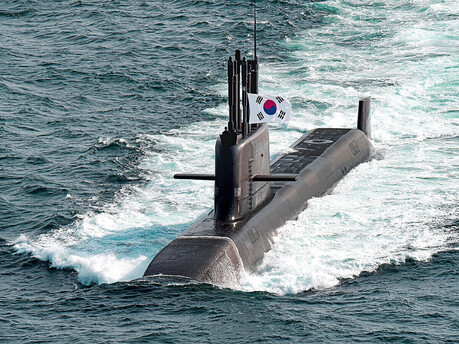
  • 'Nuclear Submarine' Receives 100B Won as Defense Budget Surpasses 70 Trillion Won for the First Time
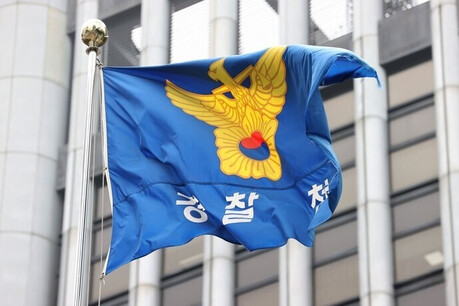
  • Police Agency Implements Major Nighttime Reshuffle, Replacing 14 Out of 18 Regional Police Chiefs
  • Anti-Disability Backlash Erupts Over ‘Park Wee KTX Accident’…“The True Essence of Safe Mobility Is Being Sidelined”
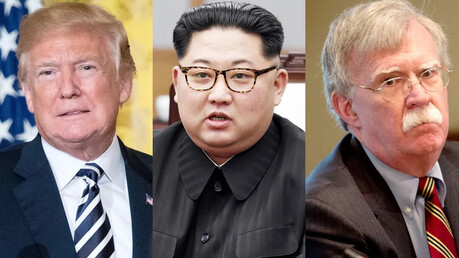
  • Bolton: Trump Likely to Push for Pyongyang Summit with Kim Jong Un Solely for the Photo-Op

Most Viewed

1
POSCO Group Expands Battery Materials Partnership with China’s Ronbay Group, Forging Ahead into the Chinese Market
2
Semiconductor Boom Lifts Growth Outlook, Yet Job Creation Falters
3
Bridging Nations, Building Futures: Reflections of Ethiopia's Ambassador to the Republic of Korea
4
Hyundai Motor Faces First Full-Scale Strike in a Decade Over Wage Impasse 
5
President Lee Declares Geoje and Tongyeong 'Special Disaster Zones' Amid Heavy Rain Damage
광고문의
임시1
임시3
임시2

Hot Issue

South Korea Unveils Record 821 Trillion Won Budget for 2027

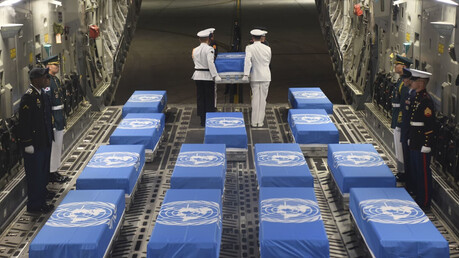
White House Inquires About Recovery of US Remains in North Korea Ahead of Potential North Korea-US Summit

Bolton: Trump Likely to Push for Pyongyang Summit with Kim Jong Un Solely for the Photo-Op

Youth Employment Subsidies Up to 18M KRW… Self-Employed to Receive 1.5M KRW Childcare Allowances

Fashion Runway Show 2026

Global Economic Times
korocamia@naver.com
CEO : LEE YEON-SIL
Publisher : KO YONG-CHUL
Registration number : Seoul, A55681
Registration Date : 2024-10-24
Youth Protection Manager: KO YONG-CHUL
Singapore Headquarters
5A Woodlands Road #11-34 The Tennery. S'677728
Korean Branch
Phone : +82(0)10 4724 5264
#304, 6 Nonhyeon-ro 111-gil, Gangnam-gu, Seoul
Copyright © Global Economic Times All Rights Reserved
  • 향기네무료급식
  • BCB부천방송
  • 반달곰 프로젝트
Search
Category
  • All articles
  • Synthesis
  • World
  • Business
  • Industry
  • ICT
  • Distribution Economy
  • Well+Being
  • Travel
  • Eco-News
  • Education
  • Korean Wave News
  • Opinion
  • Arts&Culture
  • Sports
  • People & Life 
    • 전체
    • International Student Report
    • With Ambassador
  • Column 
    • 전체
    • Cho Kijo Column
    • Cherry Garden Story
    • Ko Yong-chul Column
    • Kim Seul-Ong Column
    • Lee Yeon-sil Column
  • Photo News
  • New Book Guide
  • Overseas Koreans
  • Multicultural News