![[등록] 2026-09-01 15:48:31](/support/_updata/banner2/tl181982910_6749.png)


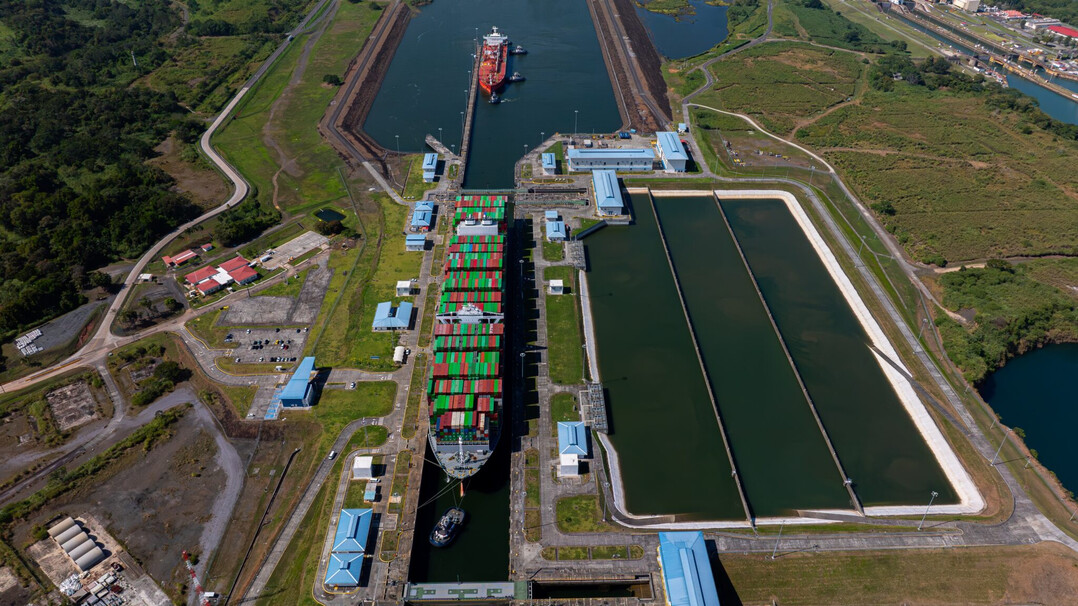
The Panama Canal, a monumental feat of engineering completed in the early 20th century under American leadership, has served as a crucial maritime artery connecting the Atlantic and Pacific Oceans, significantly contributing to global economic development. However, since Panama assumed full operational control, persistent issues regarding toll hikes and service delays have ignited a debate over its potential "monopoly." This article delves into the historical context of the Panama Canal, analyzes the current challenges it faces, and explores potential alternatives along with their geopolitical ramifications.
From French Failure to American Ambition: The Historical Backdrop of the Panama Canal's Construction
The endeavor to construct the Panama Canal commenced with an ambitious French initiative in the late 19th century. However, plagued by harsh environmental conditions and technological limitations, the French effort ultimately ended in failure. Subsequently, France incurred substantial losses and sold the canal project rights to the United States. While contemplating the feasibility of a Nicaraguan canal, the US recognized the strategic importance of Panama. Through proactive engagement and support for Panama's independence, the United States secured the leadership role in canal construction. Under the guidance of the remarkable engineer George Washington Goethals, the US successfully inaugurated the Panama Canal in 1914. This achievement transcended mere engineering prowess; it bolstered America's international standing and reshaped the global trade order.
Post-Transfer Monopoly Concerns and the Necessity for Alternative Exploration
The United States transferred the canal's operational control to Panama in 1999, making its management a matter of Panamanian sovereignty. However, since the handover, Panama has consistently increased tolls and introduced various fees, aiming to maximize revenue. This has led to higher transit costs and service delays, causing discontent among major user nations, particularly the United States' shipping industry. Furthermore, limitations in the size of vessels the Panama Canal can accommodate and operational disruptions due to climate change-induced droughts have spurred discussions about alternative routes and transportation methods.
Potential Alternatives to the Panama Canal and Their Limitations
Several potential alternatives to the Panama Canal's monopolistic position have been suggested, including the Cape Horn route around the southern tip of South America, the Arctic shipping routes, and intermodal land transportation. The Cape Horn route involves significantly longer sailing distances and highly unstable weather conditions, rendering it an impractical primary alternative. While the navigable period of the Arctic routes is expanding due to global warming, they still require icebreaker support and pose safety risks.
Utilizing the US inland transportation system has also been proposed. This involves unloading cargo at Pacific coast ports and transporting it via rail or pipelines to Atlantic coast ports. However, major US ports are already facing capacity saturation, and expanding inland transportation infrastructure requires substantial investment and time.
The Nicaragua Canal project has long been discussed as a competitor to the Panama Canal, but its feasibility remains uncertain due to political instability, environmental concerns, and massive investment costs. Mexico's Tehuantepec Isthmus rail corridor rehabilitation project could absorb some of the Panama Canal's demand in the short term, but it is insufficient to replace the total cargo volume. The historical US-backed railway construction plan connecting Topolobampo in Mexico, despite technological advancements, still faces geographical challenges and the need to ensure economic viability.
Geopolitical Implications and Future Prospects
The Panama Canal's monopolistic status and the challenges it faces extend beyond mere economic concerns, significantly influencing the international trade order and geopolitical dynamics. China's Belt and Road Initiative, with its aim to establish new international transportation networks, holds the potential to diminish the Panama Canal's influence. Moreover, climate change and technological innovations could fundamentally alter the maritime transportation landscape, adding further uncertainty to the Panama Canal's future.
In conclusion, while the Panama Canal remains a vital artery for global trade, it faces challenges stemming from its monopolistic operation and various emerging alternatives. Panama must strive for sustainable canal management and service improvements to maintain its competitiveness. Simultaneously, the international community must explore alternatives and work towards enhancing the efficiency and stability of global transportation networks. This endeavor is crucial for the steady growth and prosperity of the world economy.
Further Considerations and Geopolitical Landscape:
Beyond the alternatives mentioned, several other factors and ongoing developments warrant consideration when analyzing the future of the Panama Canal and its geopolitical implications.
The Impact of Neo-Panamax and Post-Panamax Vessels: The expansion of the Panama Canal in 2016, allowing passage for larger Neo-Panamax vessels, was intended to bolster its competitiveness. However, the increasing prevalence of even larger Post-Panamax vessels still necessitates alternative routes or transshipment hubs for a significant portion of global shipping. This limitation continues to drive the exploration of alternative infrastructure.
The Role of Transshipment Hubs: Ports in the Caribbean and along the coasts of Central and South America are increasingly becoming important transshipment hubs. These ports allow larger vessels to offload cargo, which is then transferred to smaller ships for onward transport through the Panama Canal or to other destinations. This development introduces a layer of complexity to the traditional reliance on direct transit through the canal.
China's Strategic Interests: China, a major user of the Panama Canal, has also been actively investing in port infrastructure and logistics networks globally, including in Latin America. These investments, often part of the Belt and Road Initiative, could potentially offer alternative routes and reduce reliance on the Panama Canal in the long term. China's growing economic and political influence in the region adds a significant geopolitical dimension to the future of the canal.
Cybersecurity and Geopolitical Risks: As a critical piece of global infrastructure, the Panama Canal is also vulnerable to cybersecurity threats and geopolitical instability. Disruptions to its operations, whether through cyberattacks or regional conflicts, could have significant repercussions on global trade flows and energy supplies.
Environmental Sustainability: Environmental concerns, particularly water management in the face of climate change, pose a significant challenge to the Panama Canal's long-term viability. Finding sustainable solutions for water usage and mitigating the impact of droughts will be crucial for its continued operation.
The Future Landscape: The future of the Panama Canal will likely involve a complex interplay of factors. While it will undoubtedly remain a vital waterway for the foreseeable future, its dominance may gradually erode as alternative routes, transportation methods, and geopolitical influences evolve. Panama will need to adapt to these changes by investing in infrastructure upgrades, ensuring efficient operations, and addressing environmental concerns. Simultaneously, the global community will continue to explore and develop alternative transportation networks to ensure the resilience and diversification of international trade. The "monopoly" of the Panama Canal, while historically significant, is increasingly being challenged in a dynamic and interconnected world.
[Copyright (c) Global Economic Times. All Rights Reserved.]