• 2026.05.08 (Fri)
  • All articles
  • LOGIN
  • JOIN
Global Economic Times
fashionrunwayshow2026
  • Synthesis
  • World
  • Business
  • Industry
  • ICT
  • Distribution Economy
  • Well+Being
  • Travel
  • Eco-News
  • Education
  • Korean Wave News
  • Opinion
  • Arts&Culture
  • Sports
  • People & Life
    • International Student Report
    • With Ambassador
  • Column
    • Cho Kijo Column
    • Cherry Garden Story
    • Ko Yong-chul Column
    • Kim Seul-Ong Column
    • Lee Yeon-sil Column
  • Photo News
  • New Book Guide
MENU
 
Home > Distribution Economy

Soaring Food Prices Hit Koreans Hard

Hwang Sujin Reporter / Updated : 2024-12-16 10:06:51
  • -
  • +
  • Print


Seoul, South Korea – The cost of eating out in South Korea has reached a new high, with prices of popular dishes rising by an average of 4% this year. The surge in food prices is primarily attributed to the aftermath of the 12.3 emergency decree, which triggered a surge in the Korean won against the US dollar, leading to increased costs for imported goods.   

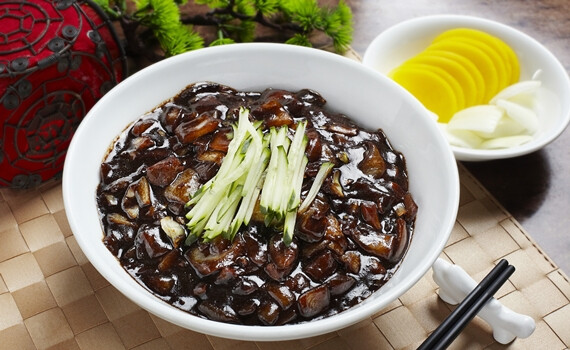
According to data from the Korea Consumer Agency's Price Information Portal, "Chamgageok," the prices of eight popular Korean dishes in Seoul have risen steadily since January. Kimbap, a ubiquitous Korean dish, saw the most significant increase, with prices jumping 5.3% to 3,500 won per roll. Other popular dishes like jajangmyeon (noodles with black bean sauce), bibimbap (mixed rice), and samgyeopsal (grilled pork belly) also experienced substantial price hikes.   

The rising cost of living has put a strain on consumers' wallets, particularly as many Koreans rely on eating out for their meals. The situation is expected to worsen as the Korean won continues to weaken against the dollar, driven by global economic uncertainties.   

"We are very concerned about the future of our business," said Kim Min-soo, the owner of a small Korean restaurant. "The rising costs of ingredients, coupled with the ongoing economic challenges, make it difficult to maintain our profit margins."

Food manufacturers and suppliers are also feeling the pressure. "The volatile exchange rates have made it challenging to plan our production and pricing," said Lee Jae-hoon, a spokesperson for a major food supplier. "We have had to adjust our prices multiple times this year to reflect the increased costs of imported raw materials."

Experts warn that the rising food prices could have far-reaching consequences for the Korean economy. High inflation can erode consumer purchasing power, leading to slower economic growth. Additionally, it can exacerbate social inequality, as low-income households are disproportionately affected by rising food costs.   

To mitigate the impact of rising food prices, the government has implemented several measures, including increasing subsidies for farmers and providing financial support to small businesses. However, experts say that more comprehensive policies are needed to address the underlying causes of inflation.

[Copyright (c) Global Economic Times. All Rights Reserved.]

  • #globaleconomictimes
  • #koyongchul
  • #cherrylee
  • #seoulkorea
  • #periodicoeconomico
  • #글로벌이코노믹타임즈
  • #GET
  • #GETtv
  • #liderdel
Hwang Sujin Reporter

Popular articles

  • BYD Hits 10,000-Unit Milestone in South Korea Within One Year, Eyes Exclusive "10,000 Club" Entry

  • South Korean Financial Groups Surpass ₩4,000 Trillion in Total Assets; Net Profit Hits ₩26.7 Trillion Amid Stock Market Rally

  • Generative AI Use Triples Among Seoul Citizens, but Digital Divide Persists for Seniors

I like it
Share
  • Facebook
  • X
  • Kakaotalk
  • LINE
  • BAND
  • NAVER
  • https://www.globaleconomictimes.kr/article/1065575177927984 Copy URL copied.
Comments >

Comments 0

Weekly Hot Issue

  • Hyundai Mobis Completes Independent EV 'Heart' Lineup: A Major Leap Toward Global Leadership in Power Electric Systems
  • OpenAI Redefines Human-AI Interaction with ‘GPT-Realtime-2’ and New Suite of Live Voice Models
  • Tensions Flare in Strait of Hormuz: U.S.-Iran Clashes Threaten Fragile Truce
  • UAE Sovereign Wealth Giants Descend on Seoul to Forge Strategic AI Alliance
  • U.S. Trade Court Strikes Down Trump’s ‘Global 10% Tariff,’ Citing Executive Overreach
  • POSTECH Researchers Double Metal-Polymer Adhesion via 3D Printing Surface Control

Most Viewed

1
Iran Imposes Transit Fees on Strait of Hormuz Amid Escalating Maritime Tensions
2
Korea and Vietnam Forge Strategic Partnership in Science, Technology, and Innovation
3
80% of Enterprises Hit by 'AI Agent Anomalies': SailPoint Calls for Integrated Identity Governance
4
Kurly Abandons 'All-Paper' Packaging Strategy Amid Rising Cost Pressures
5
Tradition Meets the Public: Chungju’s Gugak Busking
광고문의
임시1
임시3
임시2

Hot Issue

Tensions Flare in Strait of Hormuz: U.S.-Iran Clashes Threaten Fragile Truce

Tesla Model Y Becomes First to Pass Grueling New U.S. Autonomous Safety Tests

U.S. Trade Court Strikes Down Trump’s ‘Global 10% Tariff,’ Citing Executive Overreach

Hyundai Motor Group Bets $700 Million on Mexico Amid Trade Policy Volatility

Fashion Runway Show 2026

Global Economic Times
korocamia@naver.com
CEO : LEE YEON-SIL
Publisher : KO YONG-CHUL
Registration number : Seoul, A55681
Registration Date : 2024-10-24
Youth Protection Manager: KO YONG-CHUL
Singapore Headquarters
5A Woodlands Road #11-34 The Tennery. S'677728
Korean Branch
Phone : +82(0)10 4724 5264
#304, 6 Nonhyeon-ro 111-gil, Gangnam-gu, Seoul
Copyright © Global Economic Times All Rights Reserved
  • 에이펙2025
  • APEC2025가이드북TV
  • 반달곰 프로젝트
Search
Category
  • All articles
  • Synthesis
  • World
  • Business
  • Industry
  • ICT
  • Distribution Economy
  • Well+Being
  • Travel
  • Eco-News
  • Education
  • Korean Wave News
  • Opinion
  • Arts&Culture
  • Sports
  • People & Life 
    • 전체
    • International Student Report
    • With Ambassador
  • Column 
    • 전체
    • Cho Kijo Column
    • Cherry Garden Story
    • Ko Yong-chul Column
    • Kim Seul-Ong Column
    • Lee Yeon-sil Column
  • Photo News
  • New Book Guide
  • Multicultural News
  • Jobs & Workers