• 2026.11.11 (Wed)
  • All articles
  • LOGIN
  • JOIN
Global Economic Times
[등록] 2026-09-01 15:48:31
  • Synthesis
  • World
  • Business
  • Industry
  • ICT
  • Distribution Economy
  • Well+Being
    • Pet Life
    • Halal Horizon
  • Travel
  • Eco-News
  • Education
  • Korean Wave News
  • Opinion
  • Arts&Culture
  • Sports
  • People & Life
    • International Student Report
    • With Ambassador
  • Column
    • Cho Kijo Column
    • Cherry Garden Story
    • Ko Yong-chul Column
    • Kim Bong-seon's Photo Column
    • Kim Seul-Ong Column
    • Lee Yeon-sil Column
  • Photo News
  • New Book Guide
MENU
 
Home > Column > Cherry Garden Story

The Amazing Benefits of Fig Sap

LEE YEON SIL Reporter / Updated : 2024-11-21 10:52:38
  • -
  • +
  • Print


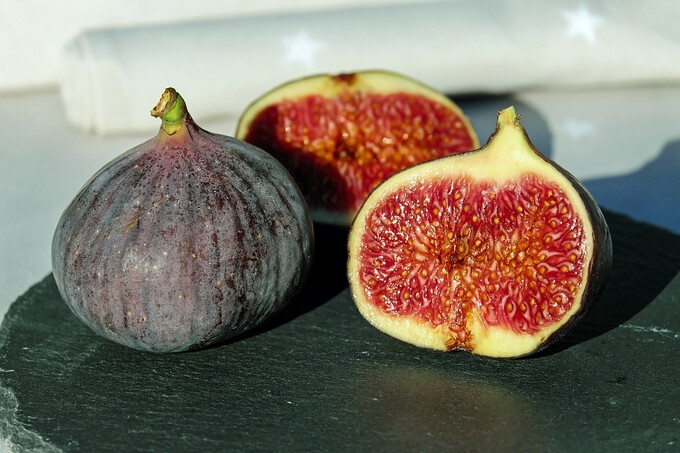
The milky white sap that oozes from a fig tree has a variety of uses, some of which have been known for centuries. This article will explore the various applications of fig sap, from traditional medicine to modern-day uses.

Fig Sap for Skin Conditions
Wart Removal: One of the most well-known uses of fig sap is as a natural wart remover. The proteolytic enzymes present in the sap can help break down skin tissue, making it effective in removing warts. However, it's crucial to test a small area of skin for any allergic reactions before applying it to the wart.
Wound Healing: Historically, fig sap has been used in traditional medicine to treat wounds and reduce inflammation. Some studies have shown that figs possess antimicrobial properties, which could contribute to their wound-healing abilities.

Other Uses
Cheesemaking: The enzymes in fig sap have been traditionally used in cheesemaking to coagulate milk. This process is similar to how rennet is used in cheese production.
Parasite Treatment: In some regions, fig sap has been used as a folk remedy for treating parasitic infections.
Digestive Health: As figs themselves are known to aid digestion, fig sap has been used in traditional medicine to support gut health.

Precautions
Skin Sensitivity: Fig sap can be irritating to the skin and mucous membranes. It's important to avoid contact with the eyes and mouth.
Allergic Reactions: Some individuals may be allergic to fig sap and experience skin reactions such as redness, itching, or swelling.
Internal Use: Ingesting fig sap is not recommended, as the enzymes and other compounds present can irritate the digestive system.

Fig sap has a rich history of traditional uses, and modern research continues to uncover its potential benefits. While it can be a useful natural remedy for certain skin conditions, it's essential to use it with caution and consult with a healthcare professional before using it for any medical condition.

[Copyright (c) Global Economic Times. All Rights Reserved.]

LEE YEON SIL Reporter

Popular articles

  • Samsung Unveils 'Galaxy SmartTag3': Enhanced Tracking and Pet Safety Features

  • Seoul Cracks Down on Unregistered Home-Based Pet-Sitting Services amid Safety Concerns

  • Japan's First Disney Cruise Set to Launch in 2029: The Second in Asia Following Singapore

I like it
Share
  • Facebook
  • X
  • Kakaotalk
  • LINE
  • BAND
  • NAVER
  • https://www.globaleconomictimes.kr/article/1065577818208726 Copy URL copied.
Comments >

Comments 0

Weekly Hot Issue

  • Inha University Caught in Campus Culture Clash Over Proposed Rhee Syng-man Statue Revival
  • Honoring a Legacy: Poet Oh Dong-chun Recognized for Lifelong Dedication to Hangul and Sijo Poetry
  • Bongeunsa Temple to Host 2026 Patriotic Buddhism Cultural Festa
  • South Korea Confronts a Growing Health Crisis as Adult Obesity Rates Surge
  • Pain of Chosei Coal Mine Meets Japanese Readers: Moon Young-sook Publishes Japanese Edition of 'Black Sea'
  • Beyond the Trillion-Dollar Mark: China’s Trade Surplus and the Debate Over Global Economic Dominance

Most Viewed

1
US Army Conducts Rare Temporary Burial Drills to Prepare for Worst-Case Large-Scale War Scenarios
2
World Citizens are Flying Directly to Busan... The Era of 4 Million Foreigners is Just Around the Corner
3
Eating 100g of Baechu Kimchi Daily Linked to Lower High-Cholesterol Risks
4
Meeting Christmas Early!… Busan Dessert Sales Event "Daldal The Market" Held
5
November Shopping Festival Sparks Retail War in South Korea: Where to Find the Best Deals
체리가든 스토리
nutri huevos
로타리
동포저널

Hot Issue

Jensen Huang Faces Shareholder Class Action and Leadership Scrutiny Amid Espionage Allegations Involving Former Associate

Disgraced South Korean Scientist Hwang Woo-suk Becomes UAE Citizen

Is South Korea Heading Toward France's Path? Aging Population and Fiscal Pressures Looming Ahead

Fashion Runway Show 2026

Let’s recycle the old blankets in Jeju Island’s closet instead of incinerating them.

Global Economic Times
korocamia@naver.com
CEO : LEE YEON-SIL
Publisher : KO YONG-CHUL
Registration number : Seoul, A55681
Registration Date : 2024-10-24
Youth Protection Manager: KO YONG-CHUL
Singapore Headquarters
5A Woodlands Road #11-34 The Tennery. S'677728
Korean Branch
Phone : +82(0)10 4724 5264
#304, 6 Nonhyeon-ro 111-gil, Gangnam-gu, Seoul
Copyright © Global Economic Times All Rights Reserved
  • News K
  • 반달곰 프로젝트
  • 광고문의
Search
Category
  • All articles
  • Synthesis
  • World
  • Business
  • Industry
  • ICT
  • Distribution Economy
  • Well+Being 
    • 전체
    • Pet Life
    • Halal Horizon
  • Travel
  • Eco-News
  • Education
  • Korean Wave News
  • Opinion
  • Arts&Culture
  • Sports
  • People & Life 
    • 전체
    • International Student Report
    • With Ambassador
  • Column 
    • 전체
    • Cho Kijo Column
    • Cherry Garden Story
    • Ko Yong-chul Column
    • Kim Bong-seon's Photo Column
    • Kim Seul-Ong Column
    • Lee Yeon-sil Column
  • Photo News
  • New Book Guide
  • Overseas Koreans
  • Multicultural News