![[등록] 2026-09-01 15:48:31](/support/_updata/banner2/tl181982910_6749.png)


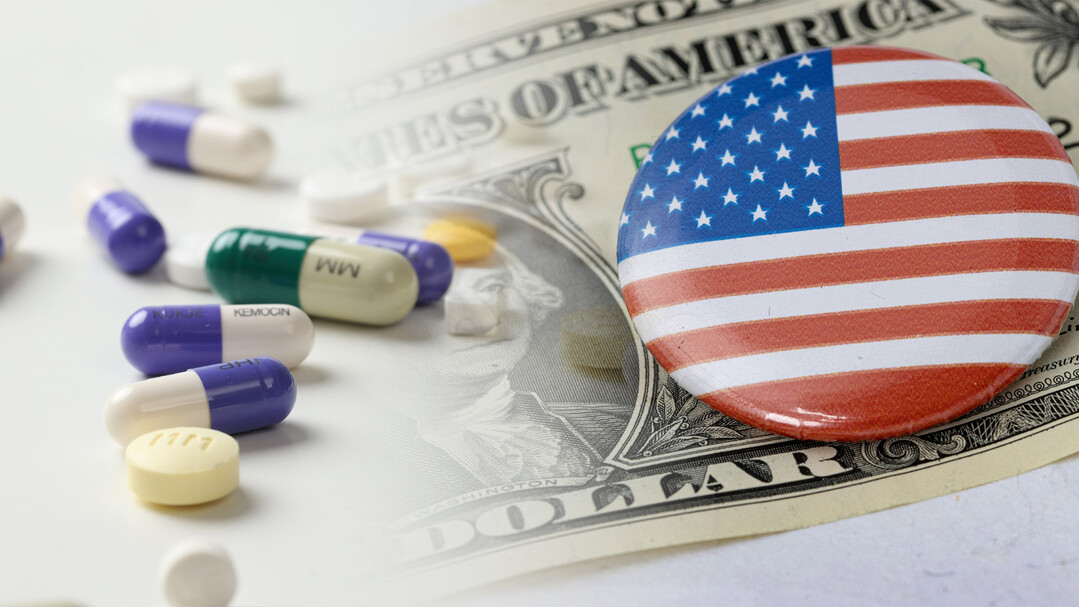
The United States government's initiation of an investigation into the imposition of tariffs on imported pharmaceuticals has galvanized the South Korean pharmaceutical and biotechnology industries into formulating comprehensive response strategies. These measures include proactive efforts to secure export volumes within the American market and intensified engagement with potential US-based partners. Industry analysts concur that while the immediate repercussions for domestic firms may be limited, the long-term implications portend a decline in price competitiveness, inevitably leading to substantial revenue losses.
Potential Erosion of Price Advantage for South Korean Biosimilars in the US Market
On the 14th of April (local time), the United States Department of Commerce officially announced the commencement of an inquiry under the auspices of Section 232 of the Trade Expansion Act of 1962. This investigation is mandated to assess the potential ramifications of semiconductor and pharmaceutical imports on the national security interests of the United States. The prospective second administration of President Donald Trump has signaled a clear intent to expedite both the investigative process and the subsequent decisions regarding the imposition of tariffs.
The imposition of tariffs on pharmaceutical products would, ineluctably, exert a mid- to long-term impact on South Korean enterprises operating within this sector. Entities engaged in the export of biosimilars, such as Celltrion and Samsung Bioepis, are particularly vulnerable to pressures necessitating price adjustments. Price competitiveness constitutes a cornerstone of the commercial strategy for biosimilars. The imposition of tariffs, leading to an increase in the cost of biosimilars manufactured by South Korean companies, would invariably place them at a significant disadvantage vis-à-vis their competitors within the American market.
In response to this unfolding situation, Celltrion has issued a statement indicating that it currently maintains sufficient inventory within the United States to meet the demand for its marketed products until the third quarter (July to September) of the current year without necessitating additional imports. However, recognizing the long-term implications, the company is actively evaluating the acquisition or establishment of a local manufacturing facility within the US to mitigate the potential adverse effects of tariffs.
SK Biopharmaceuticals, the entity responsible for marketing the novel antiepileptic drug 'Cenobamate' in the United States, has also articulated its preparedness. The company has proactively secured a six-month supply of its product within the US market. Furthermore, SK Biopharmaceuticals has established a strategic partnership with a US-based Contract Manufacturing Organization (CMO) that has received the requisite approval from the US Food and Drug Administration (FDA), thereby ensuring the capacity for immediate local production should the need arise. Presently, SK Biopharmaceuticals exports its finished drug products to the US following the completion of tablet manufacturing and final product packaging stages in Canada.
Samsung Biologics, a preeminent global Contract Development and Manufacturing Organization (CDMO) boasting the world's largest biopharmaceutical manufacturing capacity, derives a significant portion of its revenue from the United States, accounting for 26% of its total sales, second only to Europe (65%). Notably, among Samsung Biologics and its principal global competitors – the Swiss multinational Lonza, the Chinese biopharmaceutical company WuXi Biologics, the Japanese conglomerate Fujifilm, and Asahi Glass (AGC) – Samsung Biologics and WuXi Biologics are the sole entities lacking indigenous production facilities within the United States. Oh Gi-hwan, the Executive Director of the Korea Biotechnology Industry Organization, has indicated that companies possessing CDMO manufacturing capabilities within the US are already experiencing a surge in inquiries. While acknowledging that the long-term nature of CDMO contracts, typically exceeding five years, may insulate these firms from immediate financial repercussions, Mr. Oh cautioned that clients may seek to renegotiate existing contract terms in light of the impending tariffs.
Robust Domestic Opposition in the US Suggests Phased Tariff Implementation
The proposed pharmaceutical tariff policy championed by the potential Trump administration has encountered substantial opposition from various stakeholders within the United States. Prominent organizations such as the American Hospital Association (AHA) and the Association for Accessible Medicines (AAM) have publicly voiced their concerns, asserting that the imposition of tariffs on pharmaceuticals would disproportionately increase the financial burden of medication on American patients.
The United States currently exhibits a significant reliance on the importation of pharmaceutical products. In the year 2023, pharmaceuticals constituted the fifth-largest category of imports into the US. Of particular concern is the nation's considerable dependence on China for active pharmaceutical ingredients (APIs), which serve as the fundamental building blocks for the majority of chemically synthesized drugs. The imposition of tariffs on finished pharmaceutical products and, critically, on APIs would inevitably precipitate a broad-based increase in the prices of virtually all medications available within the United States. This could have profound implications for healthcare costs and patient access to essential medicines.
Industry forecasts suggest that the detailed contours of the pharmaceutical tariff policy are likely to be unveiled as early as mid-May. Courtney Brin, an analyst at the global investment firm Bernstein, has posited that, in consideration of the potential for precipitous increases in drug prices and the ensuing political ramifications, the implementation of tariffs is likely to be phased in gradually, with initial tariff rates ranging from 10 to 25%. This gradual approach may be intended to mitigate the immediate shock to the healthcare system and allow stakeholders time to adapt to the new regulatory landscape. However, even a phased implementation is expected to have significant long-term consequences for the cost of healthcare and the competitiveness of imported pharmaceuticals, including those from South Korea.
[Copyright (c) Global Economic Times. All Rights Reserved.]