![[등록] 2026-09-01 15:48:31](/support/_updata/banner2/tl181982910_6749.png)


(C) Educatin Next
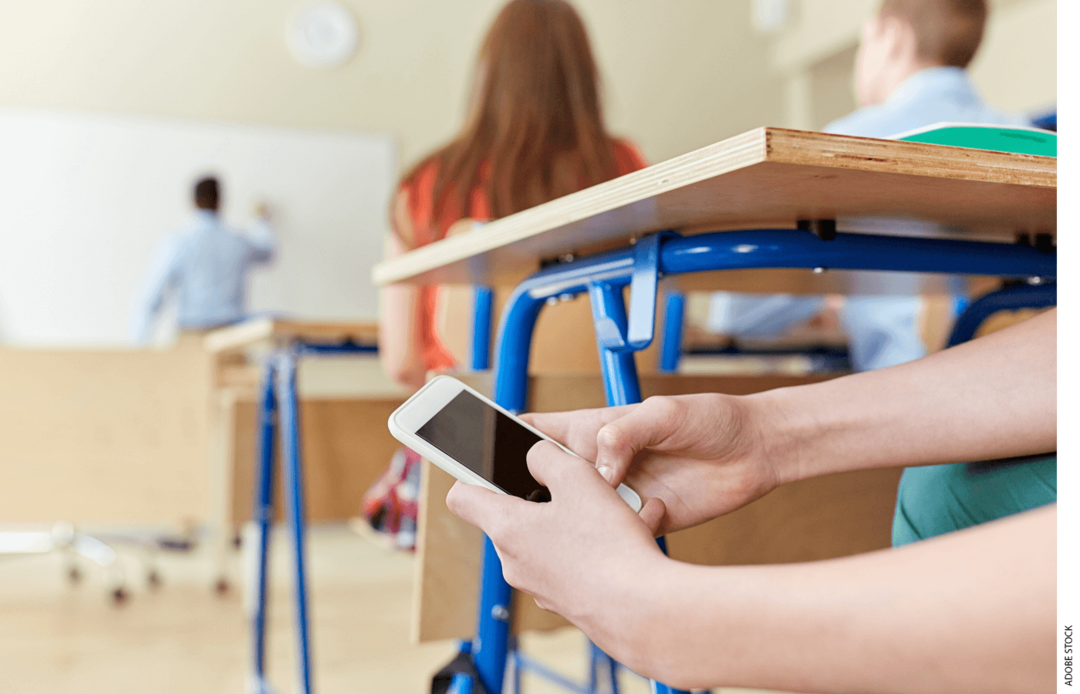
SEOUL, South Korea — A profound disruption is sweeping through South Korea's education system as "AI cheating," leveraging generative artificial intelligence tools like ChatGPT, has escalated from universities to high schools, forcing educational authorities to take urgent action. The alarming prevalence of students using AI to plagiarize assignments and evade genuine learning has exposed a critical gap in existing academic integrity policies, plunging the sector into disarray.
The Rise of AI-Assisted Academic Dishonesty
The latest incident, which involved second-year high school students in Seoul using AI for a Korean language performance evaluation (수행평가), has become a flashpoint. The assignment required students to summarize and critique a book they had read. Instead of engaging with the text, students reportedly utilized ChatGPT to generate responses, which were then copied verbatim.
This high school case mirrors earlier, widespread scandals in universities where students employed AI to write essays, complete coding assignments, and even take exams, raising profound concerns about the authenticity of student work and the validity of traditional assessment methods. The fundamental issue is that current anti-plagiarism tools and evaluation techniques are often inadequate to detect text generated by sophisticated AI models, allowing students to bypass the core requirements of critical thinking and original analysis.
Government and Educational Response
In response to this growing "AI cheating crisis," the Ministry of Education (MOE), in collaboration with the Ministry of Science and ICT (MSIT), is rushing to implement a comprehensive strategy aimed at both preventing academic fraud and safely integrating AI into the learning environment.
Key initiatives include:
New AI Usage Guidelines: A joint policy study is underway to develop the "Guidelines for the Safe Introduction and Utilization of AI in Schools." These guidelines are scheduled to be distributed to schools by March 2026, coinciding with the start of the new academic year. The document is expected to establish clear boundaries for the ethical and productive use of AI by students and teachers, while also addressing issues of data privacy and algorithmic bias.
Anti-Cheating Measures: Concrete strategies to prevent AI-enabled academic dishonesty in student evaluations are being jointly developed with the provincial and metropolitan offices of education. These measures are slated for immediate implementation, with guidance to be issued to schools in early December. This fast-tracked initiative suggests an immediate need to modify the structure of evaluations—perhaps by focusing more on in-class, impromptu assessments, oral examinations, or tasks requiring non-textual or highly personalized output—to render generic AI-generated content useless.
AI Ethics Education: Recognizing that technological control is only half the solution, the MOE will develop and distribute AI ethics education content starting in the upcoming year. This curriculum, tailored by school level and target audience, aims to foster a sense of digital citizenship and educate students on the responsible use of AI, the importance of intellectual honesty, and the long-term impact of ethical technology choices.
The Broader Implications for Korean Education
The integration of generative AI presents a dual challenge for the Korean education system. On one hand, the technology offers powerful tools for personalized learning, content creation, and administrative efficiency. On the other hand, its misuse threatens to undermine the very principles of intellectual merit and honest effort that underpin academic achievement.
Educators now face the difficult task of revising curricula and assessment methodologies to adapt to a world where sophisticated information is instantaneously available. Rote memorization and summary-based assignments are increasingly obsolete. The focus must shift toward teaching students how to critically evaluate AI-generated information, how to formulate complex, unanswerable-by-AI questions, and how to apply knowledge in novel, real-world contexts that require genuine human insight.
The MOE has stated its commitment to "creating a fair and safe educational environment so that AI technology can be a positive tool for the growth of our children." However, the path forward requires more than just policy adjustments; it demands a fundamental rethinking of what it means to demonstrate learning in the age of artificial intelligence. The success of these new guidelines will determine whether AI becomes a pedagogical partner or a perpetual cheat sheet in Korean classrooms.
[Copyright (c) Global Economic Times. All Rights Reserved.]