![[등록] 2026-09-01 15:48:31](/support/_updata/banner2/tl181982910_6749.png)


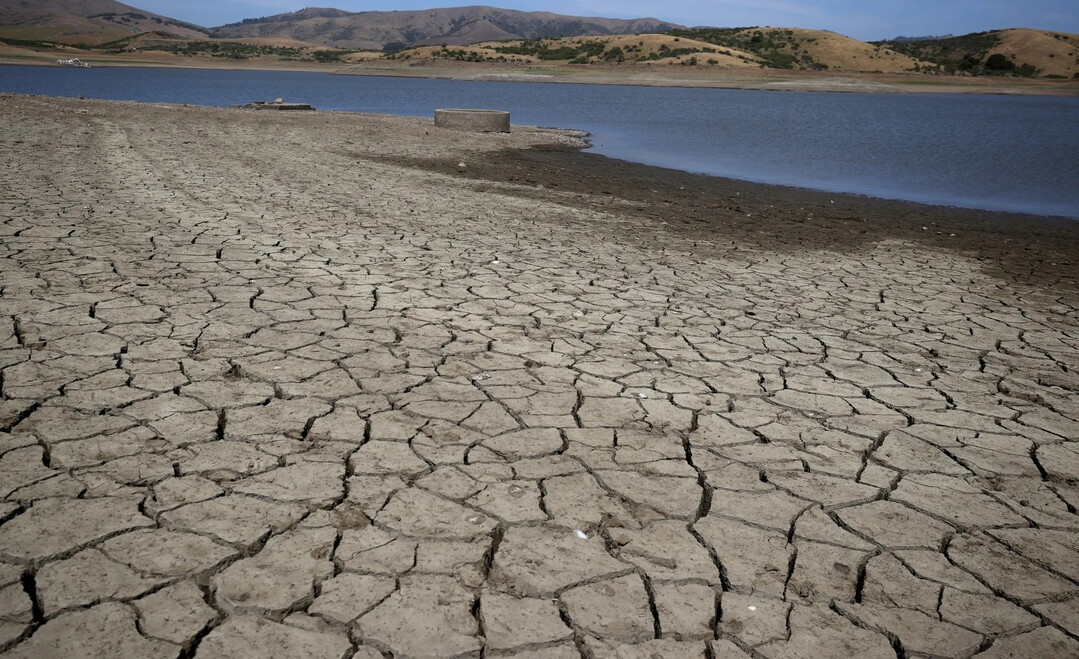
Santiago, Chile - A groundbreaking study analyzing four decades of climate data across all continents has revealed a disturbing global trend: megadroughts – prolonged and severe dry periods lasting a decade or longer – are becoming more frequent, longer, and more intense. The research, initiated by scientists investigating Chile's unprecedented "megadrought," underscores the urgent need for a fundamental shift in global water governance and increased international cooperation.
Chile has been grappling with its most extreme drought in a millennium for the past 15 years. While droughts are natural occurrences, the study highlights how record-breaking heat fueled by global warming has exacerbated these events into devastating megadroughts. The consequences in Chile have been far-reaching, impacting landscapes, ecosystems, agriculture, and even industries like mining.
"The consequences of these megadroughts go beyond what's visible," explains glaciologist Professor Francesca Pellicciotti from the Institute of Science and Technology Austria, a lead author of the study. "Underground water supplies are running dry, agricultural systems are being pushed to the brink, and even industries like mining are at risk."
The research team, comprised of scientists from the Swiss Federal Institute for Forest, Snow and Landscape Research and the National University of Singapore, initially focused on understanding the drivers and impacts of Chile's water crisis. However, their investigation soon revealed a much larger global pattern. By analyzing 10,000 droughts over 40 years, the researchers discovered that megadroughts are a growing threat worldwide.
"The Chile megadrought wasn't even ranked among the top 10 in our global classification, which shows just how severe other regions' droughts have been," Professor Pellicciotti noted. Alarmingly, the data used in the study did not include the last three years, some of the hottest on record, suggesting the situation may be even more critical than the findings indicate.
In Chile, the shrinking of glaciers, a vital source of water during dry periods, has been a clear indicator of the intensifying water deficit. Professor Pellicciotti points out that in other regions, the signs are equally concerning, with rivers disappearing and hydrological systems undergoing rapid and fundamental changes.
The study emphasizes that current water governance policies, often designed for shorter, more predictable droughts, are inadequate to address the challenges posed by these prolonged dry spells. "We need to rethink water governance before we run out of options," Professor Pellicciotti warns.
A critical concern highlighted by the research is the potential for conflict over dwindling water resources. In Chile, disputes over water access have already emerged between different sectors. The study advocates for a shift from competition to cooperation in water management to ensure equitable water rights. While some regions, such as Europe, are developing transnational water policies, many others, including parts of Africa and Latin America, lack coordinated drought adaptation plans.
The researchers call for a fundamental change in approach, moving away from reactive measures to proactive, long-term strategies. Effective responses must include fair water distribution policies, science-backed adaptation plans, and greater collaboration among nations and between public and private entities.
"We've already seen conflicts in Chile between farmers, mining companies, and local communities over dwindling water supplies. Without better management, these disputes will only grow more intense," Professor Pellicciotti cautions. "Megadroughts don't respect national borders. Countries need to work together, share data, and develop joint water management plans to mitigate the worst effects."
This study serves as a stark reminder of the escalating global water crisis and underscores the urgent need for a coordinated and forward-thinking approach to water governance to prevent widespread ecological and societal disruption.
[Copyright (c) Global Economic Times. All Rights Reserved.]