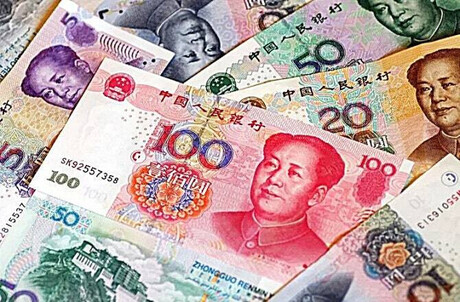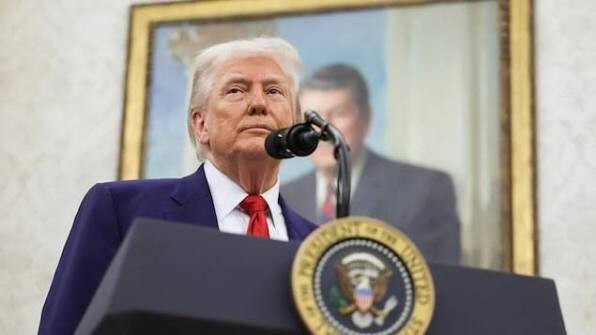
WASHINGTON — Despite facing a severe electoral defeat in the recent midterm elections, the U.S. administration remains steadfast in its protectionist trade agenda. In recent remarks, the American leader intensified pressure on international manufacturers, threatening steep penalty duties of up to 300% on imported goods if companies fail to establish domestic production facilities on U.S. soil.
During a White House press briefing, administration officials and the president outlined upcoming policy actions, noting that significant regulatory and executive measures are slated for rollout in the coming weeks.
Defending the core economic strategy, the administration argued that foreign investments in domestic manufacturing plants are entirely driven by the threat of high levies. Officials asserted that abandoning these import taxes would halt ongoing factory construction projects across the nation, forcing the U.S. to once again rely heavily on overseas supply chains from countries such as China, Japan, South Korea, and the Philippines.
While economists view the threat of "300% tariffs" as a rhetorical exaggeration typical of the administration's negotiating style, trade analysts warn that it points toward a potential escalation in actual trade barriers.
This defiant stance comes directly in the wake of the ruling party's midterm losses, which many attribute to public frustration over elevated living costs tied to tariff policies and ongoing geopolitical tensions in the Middle East. Observers note that with diminished political capital domestically, the administration may increasingly pivot toward executive authorities in trade and foreign policy to advance its agenda.
[Copyright (c) Global Economic Times. All Rights Reserved.]