![[등록] 2026-09-01 15:48:31](/support/_updata/banner2/tl181982910_6749.png)


(C) ADWEEK
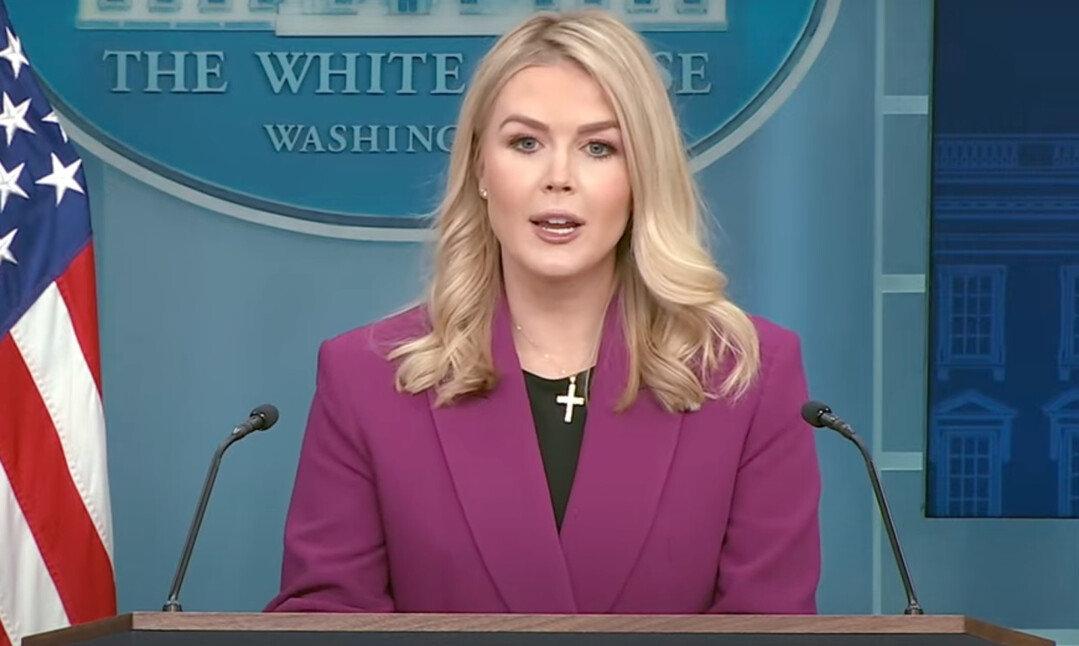
WASHINGTON D.C. — The White House has stepped forward to clarify President Donald Trump's "nuanced and common-sense" approach to skilled foreign workers, particularly those involved in the U.S. electric vehicle (EV) battery manufacturing boom. The administration emphasized that while the President remains committed to prioritizing American jobs, he supports the temporary importation of specialized foreign labor during the crucial, initial stages of establishing complex manufacturing facilities.
The defense, led by White House Press Secretary Karoline Leavitt, comes amid growing scrutiny and pushback from the President's own conservative base—the "Make America Great Again" (MAGA) loyalists—who have traditionally opposed the H-1B skilled worker visa program, viewing it as a vehicle for undercutting American wages and replacing domestic workers.
The Context: The Georgia Detainment Incident
Leavitt's comments on Monday were a direct response to a surge of questions and internal concerns, likely fueled by the highly publicized immigration raid that occurred in September at the construction site of the Hyundai and LG Energy Solution joint venture battery plant in Georgia.
During the operation, federal agents detained hundreds of foreign workers, including over 300 South Korean nationals, on suspicion of visa violations. The incident sparked a diplomatic row, causing significant alarm in Seoul and among foreign investors who view the United States as a strategic, yet increasingly uncertain, manufacturing destination.
President Trump himself previously weighed in on the issue in a Fox News interview, where he stressed the "unavoidable necessity" of these specialized workers. He recounted intervening in the Georgia incident, stating he told officials to "Stop it. Don't be stupid," underscoring the vital nature of the project. This public defense of H-1B-like necessity—even if for a limited scope—was a sharp departure from his typically hardline immigration rhetoric.
Investment, Expertise, and Training: The White House Rationale
Press Secretary Leavitt firmly denied that the President supports the replacement of American workers, accusing journalists of "distorting" his remarks. She articulated the core of the administration's current position: a strategic, time-bound allowance for foreign expertise to facilitate massive U.S. investment.
Key points of the White House clarification:
Temporary Necessity: President Trump wants foreign companies that are investing "trillions of dollars" in the U.S. to bring in foreign workers only during the "initial phase" of constructing and commissioning manufacturing facilities—especially in highly specialized sectors like battery and semiconductor production.
Niche Expertise: These facilities, particularly battery plants, require expertise in complex, proprietary, and often hazardous manufacturing techniques that U.S. workers may not yet possess. As the President noted, "You can't take people off an unemployment line and expect them to operate advanced factories."
Training and Transfer: The ultimate goal is for these temporary foreign specialists to train American counterparts and transfer their advanced skills to the domestic workforce. The administration insists that the foreign workers are not meant for permanent residency or long-term employment in these roles.
Investment Protection: Allowing companies to utilize their own expert teams at the outset is framed as a policy that encourages, rather than deters, foreign investment in U.S. soil.
This position attempts to balance the administration's "America First" and "Buy American, Hire American" principles with the pragmatic realities of luring and executing multi-billion-dollar high-tech manufacturing projects—a cornerstone of the President's economic agenda.
Navigating the MAGA Backlash
The necessity to explicitly defend this stance highlights the internal conflict within the Republican base. For many MAGA supporters, the sight of foreign workers, regardless of skill level or temporary status, is viewed as an ideological betrayal and a threat to American employment. The President has directly confronted this opposition, notably telling business leaders that this policy "is MAGA," arguing that the long-term goal of industrial supremacy outweighs short-term immigration concerns.
However, critics remain unconvinced. Hardline immigration proponents argue that the U.S. possesses ample talent, and that the government should instead invest in training and upskilling domestic workers rather than relying on temporary foreign labor. Furthermore, the administration's defense of this "limited" H-1B-like flow stands in contrast to previous, more restrictive proposals targeting the skilled visa program, including a proposed $100,000 application fee.
The ongoing controversy surrounding the Georgia detentions, which led to many Korean workers voluntarily returning home, underscores the friction between the need for high-skill migration to kickstart U.S. manufacturing and the strict enforcement actions of immigration agencies.
Ultimately, the White House is walking a tightrope: assuring investors and industry leaders that their critical projects will not be halted by worker shortages or enforcement actions, while simultaneously convincing its political base that this temporary influx of foreign talent is a necessary, strategic step toward achieving long-term American industrial dominance and job security. The success of this "nuanced" approach will be judged not just on economic metrics, but on its ability to withstand the internal political pressure from a base highly sensitive to immigration policies.
[Copyright (c) Global Economic Times. All Rights Reserved.]