• 2026.03.22 (Sun)
  • All articles
  • LOGIN
  • JOIN
Global Economic Times
fashionrunwayshow2026
  • Synthesis
  • World
  • Business
  • Industry
  • ICT
  • Distribution Economy
  • Well+Being
  • Travel
  • Eco-News
  • Education
  • Korean Wave News
  • Opinion
  • Arts&Culture
  • Sports
  • People & Life
    • International Student Report
    • With Ambassador
  • Column
    • Cho Kijo Column
    • Cherry Garden Story
    • Ko Yong-chul Column
    • Kim Seul-Ong Column
    • Lee Yeon-sil Column
  • Photo News
  • New Book Guide
MENU
 
Home > Industry

Canada's Pharmaceutical Industry on High Alert Over Trump's 200% Tariff Threat

KO YONG-CHUL Reporter / Updated : 2025-07-12 12:17:35
  • -
  • +
  • Print


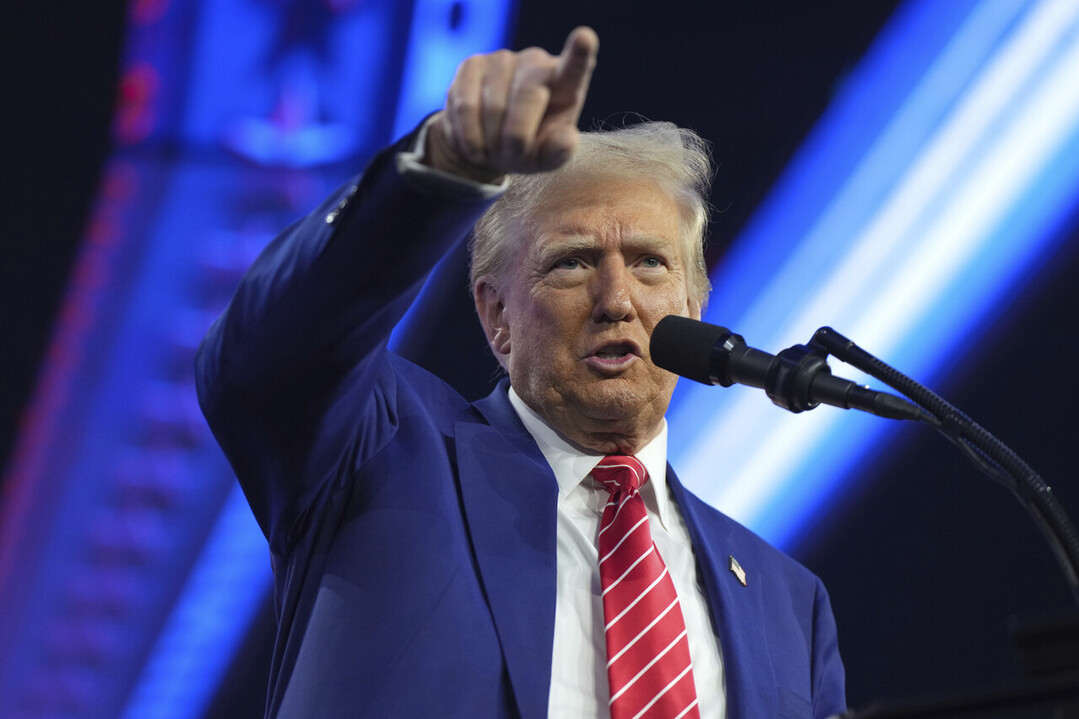
WASHINGTON D.C. – The Canadian pharmaceutical industry has been put on high alert following President Donald Trump's announcement of a potential 200% tariff on pharmaceutical imports. Although Canada may not be the primary target, there's growing concern that this measure could pose a severe threat to the Canadian pharmaceutical sector.

Jim Keon, President of the Canadian Generic Pharmaceutical Association, analyzed that this tariff threat stems from the U.S. effort to reduce its reliance on pharmaceutical imports from countries like China and India. However, he warned that Canada could inadvertently suffer damage in this process. Trump suggested the 200% tariff idea last Tuesday (July 8), stating that pharmaceutical companies would be given a grace period of up to 18 months before the tariffs are implemented.

According to Keon, Canadian pharmaceutical exports account for less than 5% of all generic drugs sold in the U.S. However, he explained that if access to the U.S. market is blocked, some Canadian pharmaceutical companies might find it difficult to continue producing specific generic drugs for their domestic market. This implies that beyond just a decrease in exports, it could disrupt Canada's own domestic drug supply chain.

Trump's 'America First' and the Pharmaceutical Industry 

This move by the Trump administration is an extension of its 'America First' policy. Efforts to encourage domestic production and reduce foreign dependence have intensified, especially since the pandemic highlighted the importance of supply chain stability. As pharmaceuticals are essential items directly linked to national security, the desire to strengthen domestic production capabilities is understandable.

However, such a high tariff of 200% effectively signals an intention to completely block imports, which could cause significant disruption to the global pharmaceutical supply chain. Critics argue that this would affect not only Canada but also all countries exporting pharmaceuticals to the U.S., and could ultimately lead to higher drug prices in the U.S. Given that the pharmaceutical industry requires high-level technology and massive investment, there are significant concerns about the side effects of short-term policy changes.

Characteristics of Canada's Pharmaceutical Industry and Response Strategy 

The Canadian pharmaceutical industry primarily excels in generic drug production, and the U.S. is one of the largest markets for Canadian pharmaceutical exports. If access to the U.S. market becomes difficult, Canadian pharmaceutical companies may have to reduce their production scale or even cease production of certain items. This, in turn, could narrow the range of available drugs in Canada and potentially lead to drug shortages.

Currently, ongoing economic and security agreements between Canada and the U.S. offer hope for resolving this crisis. Keon expressed hope that pharmaceuticals would be excluded from tariffs through these agreements. The Canadian government is expected to make every effort to protect its domestic pharmaceutical industry and maintain the stability of pharmaceutical trade between the two countries through close negotiations with the U.S. As seen in the renegotiation of the North American Free Trade Agreement (NAFTA), the establishment of exceptional provisions, considering the unique nature of the economic relationship between the two countries, will be crucial.

[Copyright (c) Global Economic Times. All Rights Reserved.]
  • #globaleconomictimes
  • #micorea
  • #mykorea
  • #Lifeplaza
  • #nammidonganews
  • #singaporenewsk
  • #Taiwanpost
  • #Samsung
  • #Doosa
KO YONG-CHUL Reporter
Reporter Page

Popular articles

  • Ko Sang-goo, President of World Federation of Korean Associations, Elected as First Private Sector Chair of World Korean Community Leaders Convention

  • Revised and Expanded Edition of ‘Failure of Negotiations with North Korea: Truth and Solutions’ Published

  • Commentary That Douses the Joy of Victory: A Twisted Perspective

I like it
Share
  • Facebook
  • X
  • Kakaotalk
  • LINE
  • BAND
  • NAVER
  • https://www.globaleconomictimes.kr/article/1065582852458609 Copy URL copied.
Comments >

Comments 0

Weekly Hot Issue

  • Coway Clinches Top Honor at "Water Taste Awards" for 7th Consecutive Year
  • HP Targets Korea as Strategic Hub for 'Edge AI' Expansion, Seeking Startup Partnerships
  • Pearl Abyss’s 'Crimson Desert' Shatters Records with 2 Million Copies Sold on Day One
  • "BTS Over Books?" Indian Academies Issue Emergency Notices as Students Plot Mass Absences for Comeback Live
  • Naver to Shut Down Men's Fashion Service 'MR.' to Launch Expanded AI-Driven Fashion Platform
  • JBNU and SKKU Researchers Achieve Breakthrough in "Dream Material" MXene, Setting New World Records in Performance

Most Viewed

1
An Open Letter to BTS On the Eve of a Historic Performance
2
From Industrial Capital to Tourism Mecca... Ulsan Makes a Bold Move with ‘Experiential Content’ in 2026
3
Ko Sang-goo, President of World Federation of Korean Associations, Elected as First Private Sector Chair of World Korean Community Leaders Convention
4
It is Time for BTS’s Fandom, ARMY, to Step Forward
5
Korean Stock Market Plunges: Circuit Breaker and Sidecar Triggered Amid Geopolitical Crisis
광고문의
임시1
임시3
임시2

Hot Issue

Vishay Unveils Ultra-Compact 0404 RGB LED with Independent Chip Control for Enhanced Color Precision

Coway Clinches Top Honor at "Water Taste Awards" for 7th Consecutive Year

AI Medical Ecosystem in Focus: KIMES 2026 Opens in Seoul as Global Healthcare Hub

Netanyahu Declares Decisive Blow to Iran’s Nuclear and Missile Programs, Signals Early End to War

Let’s recycle the old blankets in Jeju Island’s closet instead of incinerating them.

Global Economic Times
korocamia@naver.com
CEO : LEE YEON-SIL
Publisher : KO YONG-CHUL
Registration number : Seoul, A55681
Registration Date : 2024-10-24
Youth Protection Manager: KO YONG-CHUL
Singapore Headquarters
5A Woodlands Road #11-34 The Tennery. S'677728
Korean Branch
Phone : +82(0)10 4724 5264
#304, 6 Nonhyeon-ro 111-gil, Gangnam-gu, Seoul
Copyright © Global Economic Times All Rights Reserved
  • 에이펙2025
  • APEC2025가이드북TV
  • 독도는우리땅
Search
Category
  • All articles
  • Synthesis
  • World
  • Business
  • Industry
  • ICT
  • Distribution Economy
  • Well+Being
  • Travel
  • Eco-News
  • Education
  • Korean Wave News
  • Opinion
  • Arts&Culture
  • Sports
  • People & Life 
    • 전체
    • International Student Report
    • With Ambassador
  • Column 
    • 전체
    • Cho Kijo Column
    • Cherry Garden Story
    • Ko Yong-chul Column
    • Kim Seul-Ong Column
    • Lee Yeon-sil Column
  • Photo News
  • New Book Guide
  • Multicultural News
  • Jobs & Workers