![[등록] 2026-09-01 15:48:31](/support/_updata/banner2/tl181982910_6749.png)


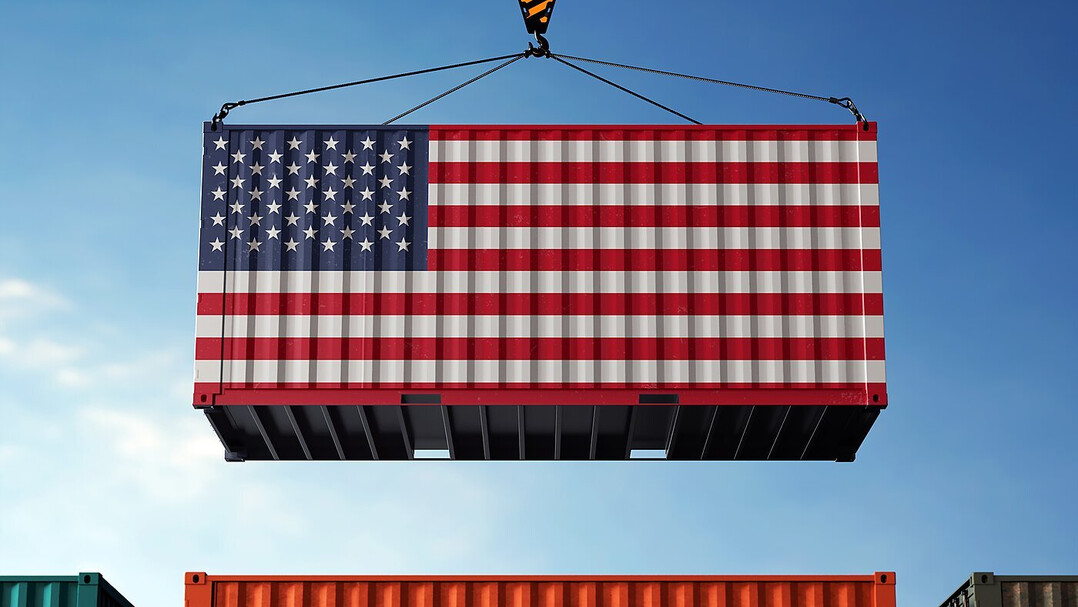
WASHINGTON, D.C. — The second Trump administration has signaled its intent to maintain an aggressive posture on protectionist trade policies, hinting that the controversial "Global 10% Tariff" could be re-imposed even after its initial legal window closes in late July. United States Trade Representative (USTR) Jamieson Greer stated on Tuesday that the executive branch possesses the statutory authority to levy consecutive rounds of tariffs under existing trade laws, challenging traditional congressional interpretations of executive trade powers.
Speaking at an event hosted by the Council on Foreign Relations (CFR) in Washington, Greer clarified the administration's legal evaluation of Section 122 of the Trade Act of 1974—the mechanism currently utilized to sustain the baseline universal tariff. "If you look at the text of the statute, it outlines precisely when the tariff authority expires, but it is entirely silent on when or how frequently it can be re-initiated," Greer noted. He added that it would be "unimaginable" to assume Congress intended to strictly limit a president to a single usage of Section 122 during a four-year term, thereby asserting a highly flexible, recurring authority to shield domestic markets.
The universal 10% tariff was hastily implemented earlier this year via Section 122 following a major judicial setback in February. At that time, the Supreme Court of the United States ruled that the administration's initial attempt to deploy the International Emergency Economic Powers Act (IEEPA) for reciprocal and universal tariffs crossed constitutional boundaries and constituted an unlawful usurpation of legislative authority. Pivotally, Section 122 permits the executive branch to levy temporary import surcharges of up to 15% for a maximum duration of 150 days to combat "large and serious" balance-of-payments deficits, avert an imminent depreciation of the U.S. dollar, or stabilize international balance-of-payments systemic weaknesses.
While Greer declined to state definitively whether President Trump would immediately execute a secondary declaration under Section 122 upon the July expiration, the legal maneuvering underscores Washington's determination to avert a sudden tariff vacuum. The statutory clock on the current 150-day window is set to run out in late July, triggering deep anxiety across global supply chains. The administration's trade policy has continued uninterrupted despite a fierce legal battle; although the U.S. Court of International Trade (USCIT) struck down the 10% global tariff on May 7 as illegal, a federal appeals court granted a temporary stay on the lower court's enforcement on May 12, allowing the collection of customs duties to persist for now.
To establish a more permanent and resilient tariff architecture, the USTR is aggressively accelerating parallel investigations under Section 301 of the Trade Act of 1974. Unlike the broad stroke of Section 122, Section 301 empowers the trade representative to impose retaliatory duties based on specific foreign trade practices deemed "unreasonable, unjustifiable, or discriminatory" toward American commerce. The administration's current Section 301 probes are laser-focused on two structural fronts: global industrial overcapacity and state-sponsored forced labor. Legal and trade analysts expect these targeted investigations to wrap up by mid-summer, providing a seamless legal bridge to replace the universal Section 122 tariffs with targeted, long-term sector-specific penalties.
International trade economists warn that a continuous or repeating cycle of Section 122 tariffs could provoke unprecedented challenges at the World Trade Organization (WTO) and invite immediate, proportional retaliation from key trading partners, including the European Union, Tokyo, and Seoul. A recurring 10% blanket tariff effectively reshapes the global macroeconomic equilibrium. Because a 10% surcharge is applied across all sectors universally, the resulting contraction in trade volumes guarantees an escalatory wave of consumer price index inflation inside the United States while depressing export-driven economies abroad.
The USTR's aggressive posture reflects a broader systemic shift in American economic diplomacy, moving entirely away from multilateral frameworks toward raw, unilateral leverage. Greer reiterated that the USTR remains "intensely focused" on perfecting the legal defensibility of these impending tariffs. Whether through an unprecedented back-to-back application of Section 122 or the imminent rollout of sprawling Section 301 actions, Washington appears fully committed to maintaining its 10% tariff wall well past the summer deadline, forcing global enterprises to permanently price in a highly fragmented, high-tariff American marketplace.
[Copyright (c) Global Economic Times. All Rights Reserved.]