![[등록] 2026-09-01 15:48:31](/support/_updata/banner2/tl181982910_6749.png)


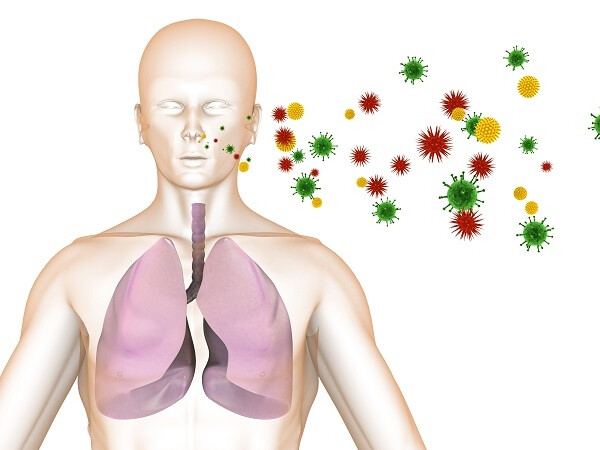
Pneumonia, which can be fatal if severe, can be difficult to distinguish from a cold in its early stages or when symptoms are mild, requiring patients to be vigilant.
Experts emphasize that if respiratory symptoms are accompanied by high fever, or if symptoms do not improve within a few days and chest pain or difficulty breathing develops, pneumonia is highly likely and a hospital should be visited.
According to the National Health Information Portal of the Korea Centers for Disease Control and Prevention on the 4th, pneumonia is an inflammation of the lungs caused by microorganisms invading the lungs, and usually occurs within a few days to a week after infection.
Pneumonia caused by bacteria or viruses is the most common, but rarely, pneumonia caused by fungi or parasites can also occur. In most cases, it occurs when pathogens that have settled and colonized in the oral cavity or nasopharynx penetrate the lungs through the respiratory tract, and like tuberculosis, bacteria floating in the air can penetrate the lungs along with breathing.
In general, pneumonia is accompanied by cough and yellowish purulent sputum, and most patients develop a fever of 38 degrees or higher. If pneumonia occurs in the area that is in contact with the pleura surrounding the lungs, or if pleurisy is present, chest pain may occur. The pain is characterized by worsening when breathing in or coughing. In severe pneumonia or when pleural effusion accumulates in the pleura due to pleurisy, shortness of breath may also occur.
Pneumonia caused by some viruses or atypical pneumonia may persist with fever and dry cough rather than sputum. In the elderly, pneumonia may not be accompanied by fever, and may often appear as symptoms such as loss of appetite, decreased energy, and falls instead of typical respiratory symptoms such as cough and sputum, requiring attention.
In general, pneumonia is mostly caused by bacterial infection. A cold is an acute illness caused by a viral infection of the upper respiratory tract, including the nose and throat. In principle, a cold does not progress to pneumonia. However, bacterial infections due to complications after a cold can lead to otitis media, sinusitis, and pneumonia, which may appear to have progressed from a cold to pneumonia.
So, when should you suspect pneumonia rather than a cold?
A cold is an acute disease caused by a viral infection of the upper respiratory system, including the nose and throat. Symptoms include sore throat, runny nose, nasal congestion, cough, headache, and mild fever, but most symptoms are mild and improve spontaneously within a week without special treatment.
Pneumonia can be difficult to distinguish from a cold in its early stages or when symptoms are mild. Cold symptoms are usually the most severe on the second day and improve significantly within a week, and adults rarely develop a high fever of 38 degrees or higher due to a cold.
Therefore, if you have a high fever along with respiratory symptoms, or if your symptoms do not improve within a few days and your phlegm becomes thick and yellow, and you develop new chest pain or difficulty breathing, you should suspect pneumonia.
Pneumonia can be diagnosed if there are respiratory infection symptoms and findings such as cough, purulent sputum, chest pain, fever, and abnormal breathing sounds, and new pulmonary infiltration is observed on a chest X-ray.
The most important treatment for pneumonia is antibiotic treatment for the causative organism.
In general, microbial tests such as sputum tests to identify the causative organism are not performed in cases where inpatient treatment is not required. Even in hospitalized patients, the causative organism can be identified in only some patients through sputum tests or blood culture tests. Therefore, antibiotics are administered empirically for bacteria that commonly cause pneumonia. Since Streptococcus pneumoniae is the most common bacterium that causes pneumonia, antibiotics effective against Streptococcus pneumoniae are generally used.
The Korea Centers for Disease Control and Prevention said, "Pneumonia is more likely to develop in the elderly over 65, smokers, people with lung diseases such as asthma, chronic diseases such as diabetes, immunocompromised individuals, alcoholics, and people with neurological diseases with reduced cough reflex." "Pneumococcal vaccination and flu vaccination are the most effective ways to prevent pneumonia, so it is important to get the necessary
[Copyright (c) Global Economic Times. All Rights Reserved.]