![[등록] 2026-09-01 15:48:31](/support/_updata/banner2/tl181982910_6749.png)


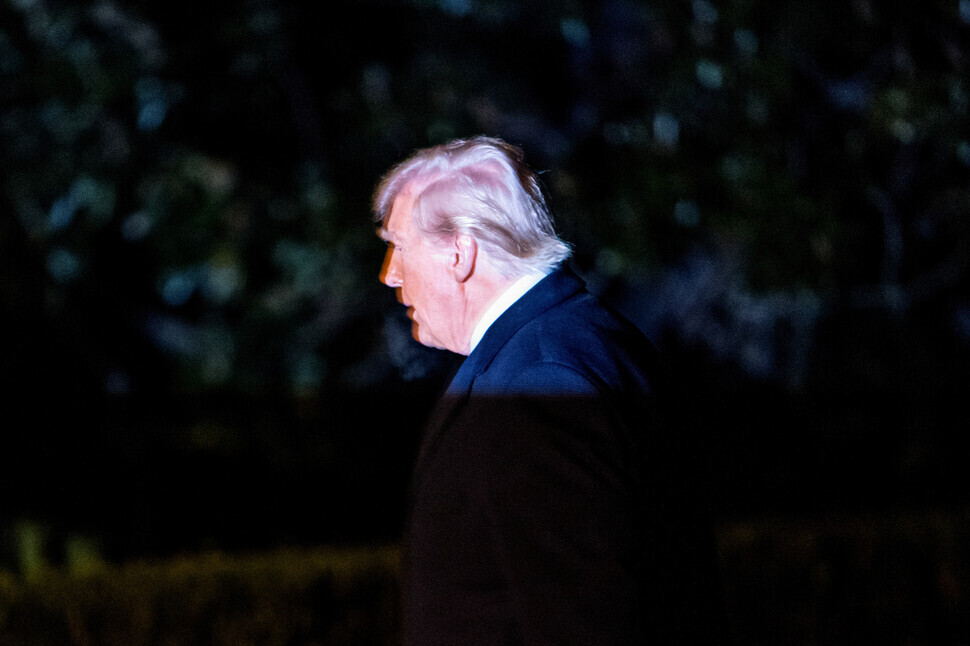
WASHINGTON D.C. – May 23, 2025 – In a dramatic escalation of trade tensions, President Donald Trump today threatened to impose a sweeping 50% tariff on all imports from the European Union, effective June 1, 2025. This declaration, made via his Truth Social platform, comes amidst expressed frustration over a perceived lack of progress in ongoing trade negotiations between the United States and the EU.
Trump, a vocal critic of what he views as unfair trade practices, asserted that the European Union was primarily established "for the purpose of taking advantage of the United States on TRADE." He characterized the EU as a "very difficult" negotiating partner, citing a litany of grievances including "powerful Trade Barriers, VAT Taxes, ridiculous Corporate Penalties, Non-Monetary Trade Barriers, Monetary Manipulations, unfair and unjustified lawsuits against American Companies, and more."
He emphasized that the current U.S. trade deficit with the EU, which he claimed to be "more than $250,000,000 a year," was "totally unacceptable." While the exact figure cited by Trump for the annual trade deficit may vary slightly depending on the specific year and data source, U.S. government figures have consistently shown a significant trade imbalance in goods with the EU. For instance, in 2024, the U.S. goods trade deficit with the EU was reported to be around $235.6 billion, with the EU exporting approximately $605.8 billion in goods to the U.S. and importing around $370.2 billion. Trump's calculation for tariff rates has previously been noted by analysts to be based on a ratio of the trade deficit to total imports.
"Our discussions with them are going nowhere!" Trump stated, concluding with his stark recommendation: "Therefore, I am recommending a straight 50% Tariff on the European Union, starting on June 1, 2025." He added that "There is no Tariff if the product is built or manufactured in the United States," signaling a clear intent to incentivize domestic production.
This latest pronouncement marks a significant increase from previous tariff proposals. In April, the Trump administration had initially announced a 20% tariff on the EU as part of its "reciprocal" tariff plan. However, this rate was subsequently halved to 10% for a 90-day period, a move seen as an attempt to allow room for negotiations. This 90-day pause was set to expire on July 8, 2025. The new, much higher 50% tariff recommendation indicates a rapid deterioration in Trump's patience with the EU.
The European Union has consistently pushed back against such threats, asserting that it is committed to a trade deal based on "mutual respect, not threats." Earlier this year, the EU had suspended its own plans to impose retaliatory tariffs on certain U.S. goods and even proposed zero duties for all industrial goods on both sides, in an effort to de-escalate tensions and move towards a comprehensive trade agreement. However, Trump's latest remarks suggest little appetite for compromise, with sources close to him indicating he is "not looking for a deal" but rather a fundamental shift in trade dynamics.
The proposed 50% tariff, if implemented, would represent a dramatic escalation in trade tensions between two of the world's largest economic blocs. Such a move is expected to have far-reaching implications for global supply chains, consumer prices, and economic stability. Businesses on both sides of the Atlantic will likely face significant disruption and increased costs, potentially leading to a sharp downturn in transatlantic trade. Economists have widely warned that aggressive tariff actions can lead to retaliatory measures, sparking a full-blown trade war that benefits no one.
As the June 1 deadline looms, global markets are bracing for potential volatility. The announcement has already led to a dip in U.S. and European stock markets, underscoring investor anxiety. The European Commission has yet to issue a detailed official response to Trump's latest threat, but previous statements indicate a readiness to defend its interests and a preference for negotiated solutions.
The question remains whether this latest tariff threat is a negotiating tactic designed to exert maximum pressure on the EU, or a firm declaration of intent. Whatever the motivation, the looming prospect of a 50% tariff on European imports casts a long shadow over the future of U.S.-EU trade relations.
소스
[Copyright (c) Global Economic Times. All Rights Reserved.]