![[등록] 2026-09-01 15:48:31](/support/_updata/banner2/tl181982910_6749.png)


The historic city of Gyeongju is set to host a celebration of international cultural exchange as the 19th Arab Culture Festival arrives at the Munmu Hall in the Gyeongju Expo Grand Park on September 10. Sponsored by South Korea’s Ministry of Foreign Affairs and co-hosted by the Korea-Arab Society and the Gyeongbuk Culture and Tourism Organization, this year's festival marks the momentous 45th anniversary of diplomatic relations between South Korea and Lebanon.
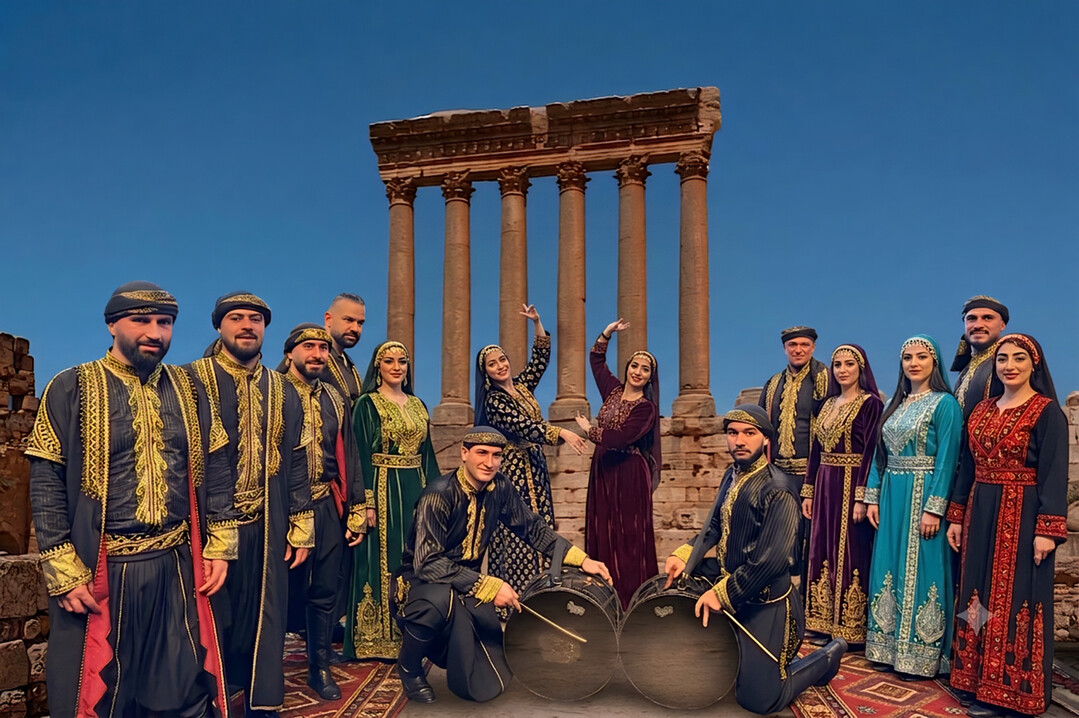
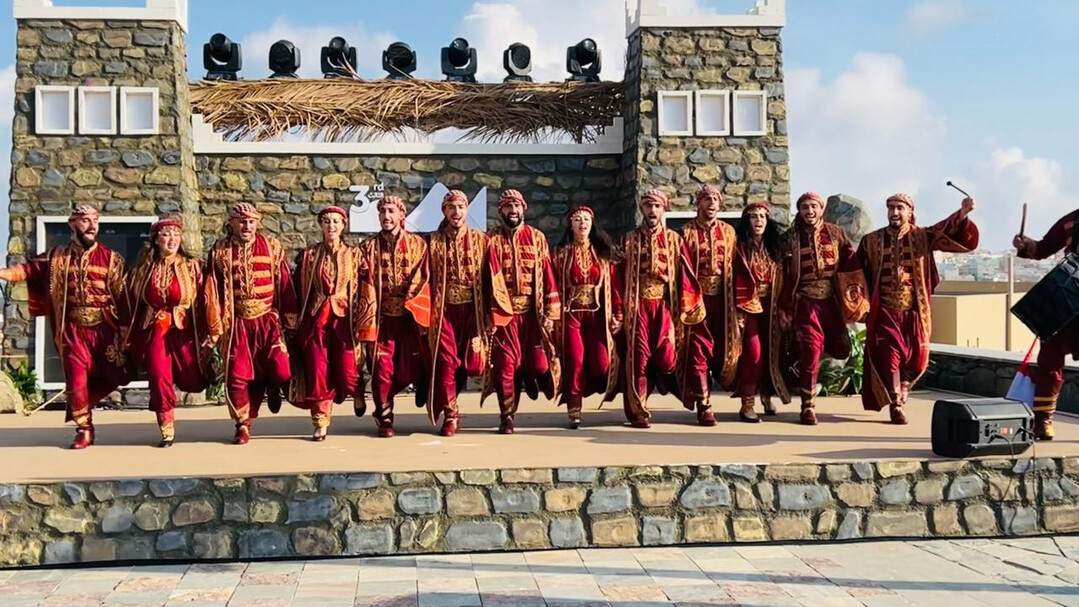
At the heart of the event is the special performance by "Hayakel Baalbeck," one of Lebanon's most prominent traditional dance troupes. Founded in 1991 by Omar Mohamed Hamadeh, the troupe has grown into a cultural ambassador featuring around 300 dancers nationwide, with a touring contingent bringing authentic Levantine heritage to Korean stages. The ensemble previously captivated global audiences last December when they performed a grand welcoming routine for the Pope during his historic visit to Lebanon.
The highlight of their repertoire is "Dabke," a traditional line and group dance deeply rooted in the Levant region, including Lebanon, Jordan, Syria, and Palestine. Characterized by synchronized steps, stamping feet, and dynamic rhythms, Dabke is a powerful expression of unity, resilience, and communal joy that has echoed through Mediterranean villages for generations. Dressed in elaborate traditional costumes, the troupe's performance—part of a national tour taking them through Seoul, Gwangju, and Gyeongju—offers local audiences a rare glimpse into the soul and hospitality of Arab artistic traditions.
Before the main performance, attendees can enjoy an engaging "Culture Talk" hosted by Egyptian-born broadcaster Samy Rashad. Designed to bridge cultural gaps, the session introduces the audience to the nuances of Arab heritage and highlights the deep historical ties between Korea and the Middle East in an accessible, entertaining format.
Choosing Gyeongju as a host city adds profound historical resonance to the festival. As the ancient capital of the Silla Kingdom, Gyeongju has served as a historic crossroads where Eastern and Western civilizations converged along the Silk Road.
Traces of these ancient international exchanges are vividly preserved in the city's archaeological sites, such as the guardian stone statues at the Tomb of King Gwaereung, the golden dagger from the Tomb of King Michu, and intricate glass artifacts discovered in Cheonmachong. Organizers note that hosting the festival in such a location underscores Gyeongju's ongoing evolution into a global cultural and tourism hub.
Established in 2008, the Korea-Arab Society operates as a vital public-private partnership uniting the South Korean government, businesses, and the 22 member states of the Arab League to foster mutual understanding and multifaceted cooperation. Leadership from both organizing bodies expressed strong optimism for the event.
Choi Seong-su, secretary-general of the Korea-Arab Society, remarked that the festival creates a unique harmony between Korean sensibilities and exotic Arab arts, granting citizens unique access to Lebanese culture. Meanwhile, Kim Nam-il, president of the Gyeongbuk Culture and Tourism Organization, emphasized that the showcase will strengthen bilateral cultural ties while cementing Gyeongju's status as an international city open to the arts of the world.
Admission to the performance is entirely free, welcoming local residents and international visitors alike. Further details and schedule updates can be accessed through the official Gyeongju Expo Grand Park website, with on-site registration also available on the day of the event.
[Copyright (c) Global Economic Times. All Rights Reserved.]