![[등록] 2026-09-01 15:48:31](/support/_updata/banner2/tl181982910_6749.png)


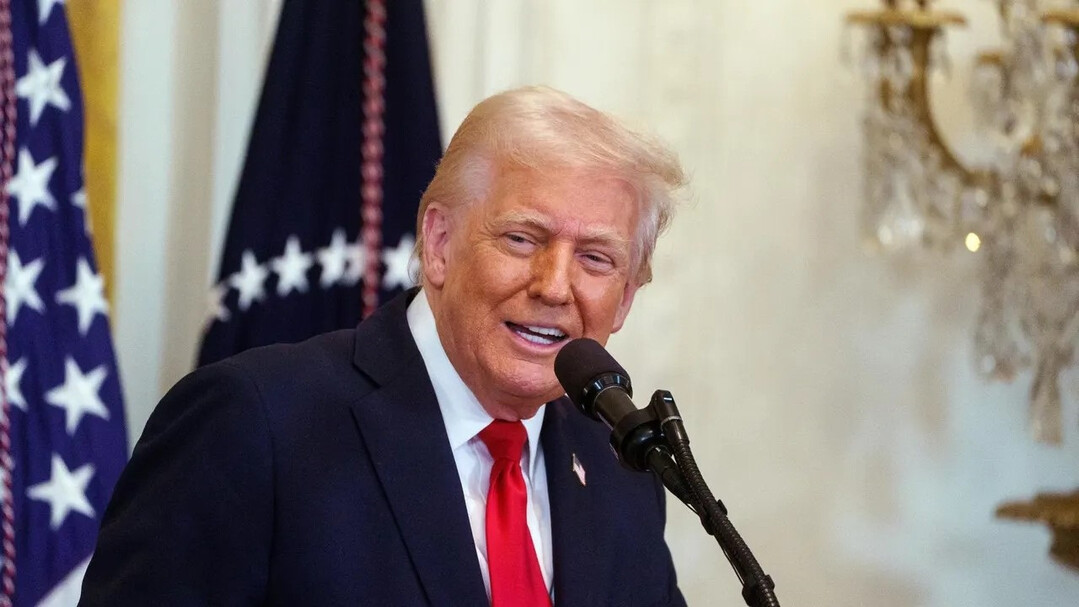
Washington, D.C. – In a sudden shift in trade policy, U.S. President Donald Trump announced on Wednesday a 90-day pause on tariffs for over 75 countries that have engaged in trade discussions and refrained from retaliatory measures against the United States. This decision, revealed through a post on his social media platform, Truth Social, comes as a relief to numerous nations that had been bracing for the impact of widespread tariffs.
President Trump stated that the temporary reprieve, effective immediately, includes a "substantially lowered Reciprocal Tariff" of 10% for these cooperative nations. He lauded the willingness of these countries to negotiate with Washington and their decision not to impose retaliatory tariffs. "These countries are calling us. They are flattering me, and they want to make a deal," President Trump remarked during a Republican committee address, where he also alluded to the numerous calls his administration had received seeking solutions to the tariff issue.
This announcement follows President Trump's move last week to escalate trade tensions by imposing a 10% tariff on most countries globally, with additional tariffs on specific entities like the European Union, bringing the total tariff rate for the EU to 20%. The initial 10% general tariff had taken effect on Saturday, with the supplementary levies applied from Wednesday.
However, President Trump adopted a starkly different stance towards China, significantly increasing the pressure on Beijing. Accusing China of a "disrespectful" response to U.S. tariffs, he declared an immediate increase in tariffs on Chinese goods to 125%. This aggressive measure intensifies the trade conflict between the two economic giants.
The global markets reacted strongly to the news. The S&P 500 stock index reportedly surged by 9.5% following the announcement of the 90-day tariff pause. This suggests that the move was welcomed by investors who had grown increasingly concerned about the potential fallout from a broad global trade war.
Treasury Secretary Scott Bessent indicated that the 90-day negotiation period would involve "bespoke" talks with individual countries to reach tailored agreements. He attributed the pause to the requests from other nations for discussions, a statement later echoed by Commerce Secretary Howard Lutnick, who explicitly denied that market volatility was the primary driver behind the decision.
White House Press Secretary Karoline Leavitt defended the President's actions as a strategic negotiating tactic, asserting that the media had failed to grasp the underlying strategy of creating leverage for the U.S.
Conversely, China's reaction to the increased tariffs has been firm. Beijing had already announced retaliatory tariffs on U.S. goods, which were further increased to 84% in response to the escalating U.S. levies. China's Commerce Ministry has stated its resolve to take necessary countermeasures and "fight to the end" in this trade dispute.
The European Union had also moved to implement retaliatory tariffs on U.S. goods, with measures expected to take effect on April 15th, targeting approximately €21 billion worth of U.S. products.
Experts anticipate that these developments will lead to significant shifts in the global trade landscape. The 90-day reprieve offers a window for negotiations that could reshape international trade relationships. However, the sharp escalation with China signals a potentially protracted and damaging trade war between the world's two largest economies, with uncertain consequences for global economic stability and growth. The coming months will be crucial in determining the long-term impact of these bold trade policy maneuvers.
[Copyright (c) Global Economic Times. All Rights Reserved.]