
![[등록] 2026-09-01 15:48:31](/support/_updata/banner2/tl181982910_6749.png)


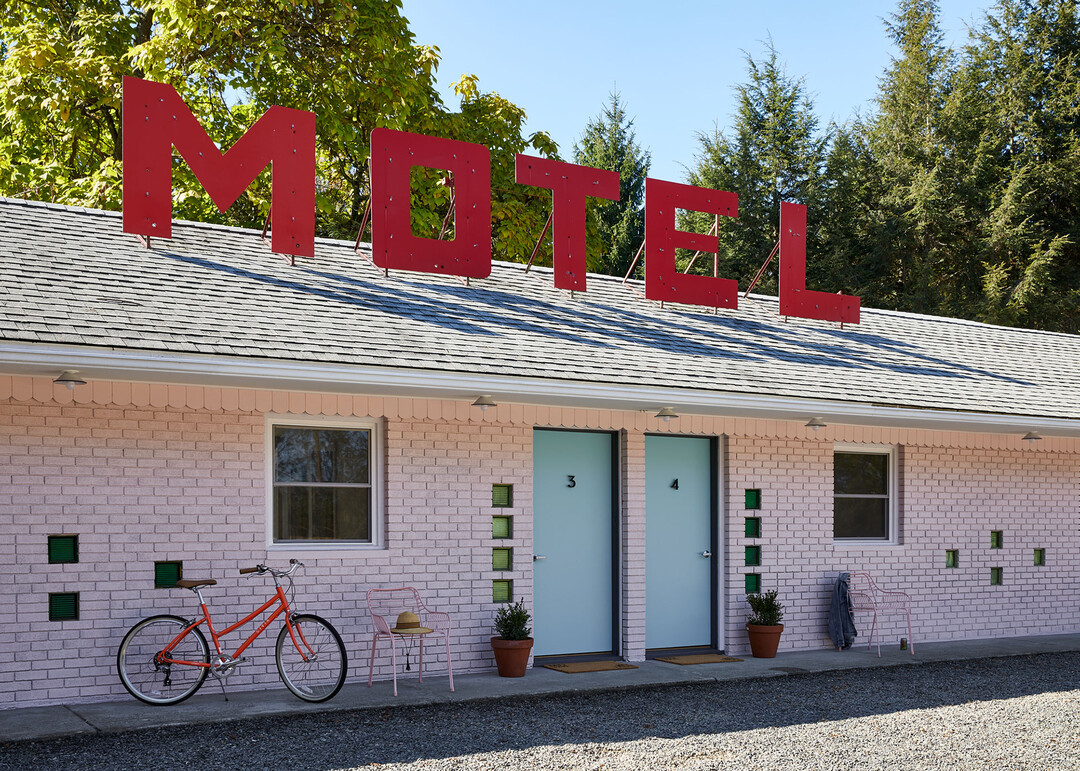
Across Australia, a nostalgic transformation is underway. The humble roadside motel, once a ubiquitous fixture catering to the burgeoning automobile culture of the mid-20th century, is experiencing a vibrant resurgence. Buildings that formerly provided functional, if often basic, accommodation for 1950s to 1980s road trippers are being meticulously reimagined as stylish boutique stays, drawing a new wave of younger, design-conscious travellers.
This retro revival is characterized by a playful yet sophisticated aesthetic that blends vintage charm with contemporary sensibilities. Motel Molly in Mollymook, on the New South Wales south coast, epitomizes this trend. Describing its "vacay vibes" and idyllic setting, journalist Kate Hennessy highlights the motel's four colour-themed buildings – Capri, Olive, Limoncello, and Rosé – each offering a distinct visual experience. Her room in Rosé, awash in shades of pink, boasts a Smeg fridge and kettle in a whimsical "fairy-floss" hue, complemented by rattan chairs, Scandi-style ceramics, and textiles evoking the American Southwest.
Motel Molly's fun, feminine, and retro aesthetic is not an isolated phenomenon. A wave of similar motels is emerging across Australia, breathing new life into forgotten structures. Casita Motel in Batemans Bay promises an "escape to a summer state of mind," while The Shores on the Gold Coast beckons with "poolside vibes, vintage charm, and endless sunshine." This trend signifies a departure from the towering high-rise developments that have come to define many coastal destinations. These revitalized motels, typically capped at two storeys, often offer more spacious rooms and better airflow compared to newly built hotels in the same price bracket.
Beyond aesthetics, the renovation of existing buildings presents a more sustainable approach to hospitality than constructing new hotels from the ground up. However, this process is not without its challenges. Peter Holcombe, general manager of Berry View Hotel in Berry, another south coast establishment, recounts the dilapidated state of the property before its transformation. "The roof was off, and it was all stripped out," he explains. "The pool was horrendous green, and curtains were nailed to walls." Today, Berry View Hotel stands as a testament to successful revitalization, its tangerine-coloured doors and stylish pool area now a local landmark, warmly embraced by a community initially wary of development.
Further north, in Crescent Head, the Sea Sea Hotel offers a unique blend of "surf shack meets Alpine lodge meets Bavarian hunting hut" – a vision meticulously brought to life by designer and hotelier George Gorrow and his wife, Cisco Tschurtschenthaler, founders of the denim brand Ksubi and The Slow hotel in Bali. Their 2023 opening transformed a previously unremarkable motel into a vibrant hub. Sea Sea's breezy indoor-outdoor restaurant and bar have become a culinary destination in a town once lacking decent food options, hosting chef takeovers and boasting a curated wine list. The ambiance, with its date-night lighting and music selected by Reverberation Radio in Los Angeles, creates a distinct and appealing atmosphere. Even the rooms feature bespoke speakers doubling as bedside tables, playing the same carefully chosen tunes.
While Sea Sea has largely been welcomed, some long-time residents of Crescent Head express concerns about the town's evolving character. JJ, owner of the Station Boardstore, notes a division in local sentiment, with some finding the establishment "a bit swanky." Gorrow, who has fond childhood memories of surfing trips to the area, is sensitive to these concerns. "The last thing we want is for this place to turn into the new Byron Bay," he emphasizes, highlighting the significant effort made to integrate the hotel into the local community by booking local bands, showcasing artists and surf films, and planting nearly 3,000 plants.
In Western Australia, the Timothée Resort in Busselton takes a different approach to retro, marketing its original 1980s breakfast hatches as a quirky feature. However, the offerings within these hatches have been updated to reflect contemporary tastes, featuring local Margaret River produce rather than the basic provisions of the past. This highlights a crucial aspect of the new-old motel trend: while nostalgia serves as a visual draw, the actual guest experience is decidedly modern.
The original appeal of motels, as documented by architecture enthusiast and comedian Tim Ross, lay in their convenience and amenities – en suites, pools, and colour TVs – which offered a stylish alternative to traditional pub stays during the rise of car travel in the 1950s. Today's revamped motels offer a wide range of amenities and price points, reflecting their diverse target audiences. While a midweek, off-season stay at Berry View might start at $175 for a queen room, a summer weekend at Sea Sea, with access to its extensive facilities, could cost upwards of $500 per night.
Examining the social media presence of many of these transformed motels reveals a shift in demographics. The focus has largely moved from families to young, often photogenic women in swimwear, evoking a Club Med-style aesthetic. This marketing strategy raises questions about inclusivity and whether it inadvertently perpetuates narrow ideals of beauty and vacation experiences. While such imagery may drive bookings through Instagram's algorithms, it can also create a sense of unease for those who don't fit this specific mold.
Furthermore, some of the "cute" and quirky design elements can feel somewhat infantilizing. At The Kyah in Blackheath, a welcome alternative to the Blue Mountains' more traditional accommodations, the "do not disturb" sign reads, "Soz, not right now … building an awesome pillow fort." Similarly, Motel Molly's "Gone for a dip" sign, with "Having a snooze" on the reverse, feels mildly prescriptive. These seemingly lighthearted touches can inadvertently create a sense of pressure to conform to a particular "vacay vibe."
The pervasive adoption of a singular aesthetic that romanticizes the past is also noteworthy. It suggests a desire to escape not just to a different place but to a different time. However, despite the attempts to evoke the Amalfi Coast, Palm Springs, or 1970s Los Angeles, the unique character of Australia inevitably prevails. At Motel Molly, the vibrant blue skies, the sounds of native birds and insects, and the salty sea air provide a timeless backdrop that transcends any retro design trend. These authentic elements serve as a reminder that while the visual appeal of nostalgia is strong, the enduring charm of a destination lies in its unique and present reality. The reimagined Australian motel, therefore, represents not just a revival of a building type, but a fusion of past and present, catering to a new generation while retaining a connection to the country's distinct identity.
[Copyright (c) Global Economic Times. All Rights Reserved.]














