![[등록] 2026-09-01 15:48:31](/support/_updata/banner2/tl181982910_6749.png)


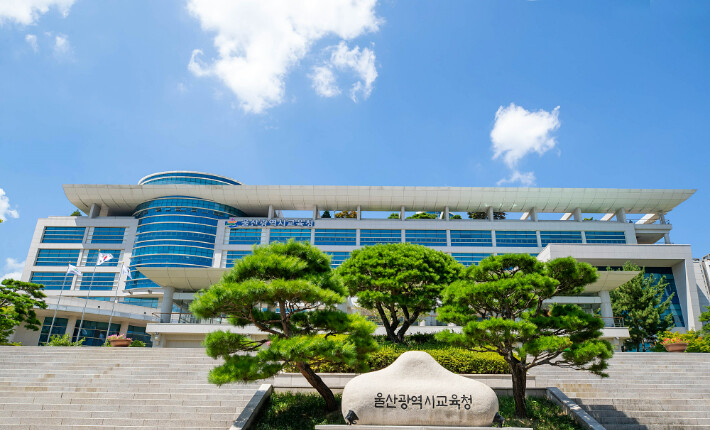
ULSAN – The Ulsan Metropolitan Office of Education (UMOEE) today announced a new initiative to foster a "each-pays" (Dutch pay) culture for all gatherings, aiming to enhance transparency and integrity within the public service. This new policy will apply not only to internal departmental meetings, discussions, small-scale events, and joint training sessions but also to all informal external encounters involving stakeholders.
The UMOEE emphasizes that senior officials will lead by example, meticulously settling their own expenses. The office also plans to create a comfortable environment for all participants by ensuring prior notice and consent regarding expense-sharing.
To encourage voluntary participation within the organization, the UMOEE is holding a contest to name meeting bank accounts. Departments are invited to open group accounts by June 20, devise creative and humorous names for them, and submit their entries via Naver Band. Outstanding teams will be awarded prizes.
On June 30, a promotional event will be held in front of the "Book Maru" on the first floor of the UMOEE building. The Superintendent, Deputy Superintendent, and department heads will participate to encourage full staff involvement. In the latter half of the year, the initiative is slated for expansion to schools and affiliated institutions.
An official from the UMOEE stated, "A fair and transparent expense settlement culture is a fundamental change that enhances the integrity and trustworthiness of public service. We anticipate that the practice of each-pays will be the starting point for spreading a voluntary culture of integrity."
Broader Context and Implications of the "Each-Pays" Initiative
The Ulsan Metropolitan Office of Education's push for a "each-pays" culture is part of a broader trend in South Korea to enhance transparency and curb corruption within public institutions. This initiative aligns with the country's Kim Young-ran Act (Act on the Prohibition of Improper Solicitation and Receipt of Money, etc.), which was enacted in 2016 to prevent illicit solicitations and the receipt of improper benefits. While the Kim Young-ran Act primarily targets large-scale illicit transactions and sets strict limits on gifts and entertainment, the "each-pays" movement aims to address more informal, everyday practices that could potentially lead to ethical dilemmas or perceptions of impropriety.
Traditionally, in Korean corporate and public sectors, it has been common for the highest-ranking individual or the host to cover the entire cost of meals and gatherings. While often intended as a gesture of hospitality or leadership, this practice can sometimes create an uncomfortable power dynamic, obligate subordinates, or even foster an environment where favors might be implicitly expected or offered. By promoting "each-pays," the UMOEE seeks to dismantle these long-standing customs, encouraging a more egalitarian and transparent approach to social and professional interactions.
The focus on senior officials "leading by example" is crucial for the successful implementation of this policy. In hierarchical societies like Korea, the behavior of leaders significantly influences the practices of their subordinates. If high-ranking officials consistently pay their own way, it sends a clear message that this is the expected norm, not an exception.
The creative approach of a "meeting account naming contest" is an interesting strategy to foster voluntary participation and make the transition less prescriptive and more engaging. By involving employees in the process and adding an element of fun, the UMOEE hopes to create a sense of ownership and reduce potential resistance to change.
The planned expansion of the initiative to schools and affiliated institutions in the latter half of the year highlights the UMOEE's commitment to a system-wide ethical transformation. This broader application could have a significant impact on the entire education sector in Ulsan, promoting ethical conduct from administrators to teachers and even influencing the culture within educational communities.
Ultimately, this initiative is not just about financial transactions; it's about fostering a culture of accountability and trust. By eliminating the potential for hidden obligations or the perception of undue influence, the UMOEE aims to build a public service environment where decisions are made solely on merit and public interest, free from personal financial considerations. This move is a testament to the ongoing efforts in South Korea to uphold integrity and transparency in its public institutions, reinforcing the values of clean governance and ethical leadership.
[Copyright (c) Global Economic Times. All Rights Reserved.]