![[등록] 2026-09-01 15:48:31](/support/_updata/banner2/tl181982910_6749.png)


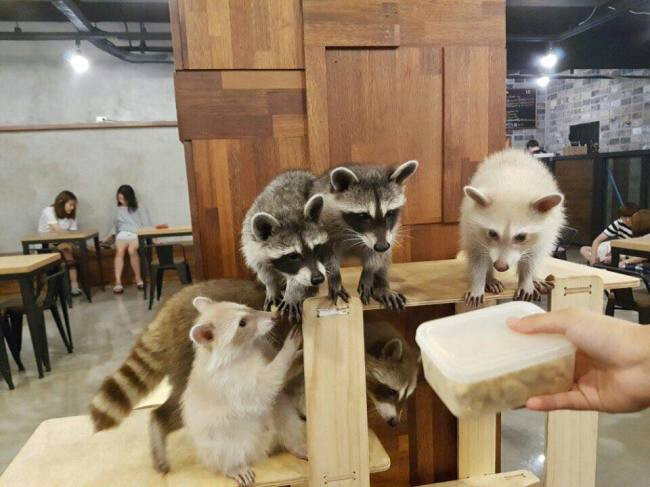
The era of petting raccoons and meerkats over a cup of coffee is coming to a turning point in South Korea. With the grace period for existing wild animal cafes set to expire on December 13, 2027, the nation’s pet and animal exhibition industries are bracing for sweeping changes.
As animal welfare policies accelerate—featuring regular inspections for zoos, harsher penalties for abandoning wild animals, and tighter regulations on animal abuse—the definition of public leisure and animal interaction is undergoing a profound transformation.
1. The End of the Grace Period: What Happens to Wild Animal Cafes?
Under the revised Wildlife Protection Act implemented on December 14, 2023, exhibiting live wild animals outside of licensed zoos and aquariums is fundamentally prohibited. However, existing facilities operating prior to the law were granted a grace period until December 13, 2027, provided they registered their current animal inventories and facility statuses.
The approaching deadline means that these facilities can no longer operate under blanket exemptions. However, this does not mean all animal cafes will shut down:
Pet-focused facilities: Cafes featuring domestic animals like dogs and cats are governed by a separate regulatory framework.
Qualified species: Certain wild animals may still be exhibited if the facility strictly meets legal species and infrastructure requirements.
Ultimately, the future of a facility depends not on its name, but on the species it houses and its compliance with statutory standards.
2. The Controversy Over Hands-On Experiences
The core controversy surrounding wild animal cafes goes beyond simple exhibition.
Welfare Concerns: Constant physical contact with visitors, combined with a lack of private resting spaces, induces severe stress in wild animals. Inappropriate diets and substandard habitats further exacerbate animal welfare issues.
Public Safety Risks: Close interactions carry inherent risks, including defensive biting or scratching by animals and the potential transmission of zoonotic diseases.
Consequently, the government has tightened regulations to restrict practices like riding, touching, and feeding wildlife, shifting the priority from human entertainment to respecting the physiological and behavioral needs of animals.
3. Stricter Oversight for Zoos: Regular Inspections and Permit Renewals
Zoos and aquariums are also facing intensified scrutiny. The 2023 amendment to the Zoo and Aquarium Act shifted the industry from a registration system to a strict licensing system.
Newly proposed legislative amendments seek to introduce biennial (2-year) regular inspections and a 4-year validity period for operating permits, requiring facilities to renew their licenses. This ensures that animal welfare standards are not merely met at the initial approval stage, but consistently maintained throughout operation. (Note: Specific inspection cycles and renewal mandates are pending final legislative review).
4. Cracking Down on Wildlife Abandonment and Illegal Trade
Legislative proposals are expanding accountability across the wildlife supply chain. Proposed amendments to the Wildlife Protection Act include:
Introducing criminal penalties, such as fines of up to 10 million KRW, for abandoning captive wild animals.
Strengthening punishments for illegal capture and smuggling.
Mandating that sellers inform buyers of proper husbandry, legal responsibilities, and care guidelines.
These measures aim to shift public perception—re-envisioning wild animals not as transient commodities, but as living beings requiring long-term, specialized care.
5. Beyond Wildlife: Protecting Companion Animals and Preventing Abuse
The animal welfare push extends to domestic pets as well. Proposed amendments to the Animal Protection Act include:
Pet Ownership Bans: Restricting convicted animal abusers from owning or caring for animals.
Minimum Care Standards: Penalizing owners who fail to provide basic living conditions.
Commercial Regulations: Cracking down on misleading "new-style pet shops" mimicking animal shelters and restricting the online distribution of animal abuse content.
6. The Post-Deadline Challenge: Where Will the Animals Go?
As the 2027 deadline nears, a critical, practical challenge remains: the rescue, relocation, and management of animals currently housed in these cafes.
Unlike dogs and cats, wild animals require highly specialized habitats and expert care. Without robust government-backed relocation and rescue infrastructure, stricter exhibition bans could inadvertently trigger mass abandonments or illegal black-market trading. Experts emphasize that local and national governments must proactively audit existing facilities and secure safe sanctuaries for displaced wildlife.
Conclusion: From "Animals to Be Seen" to "Lives to Be Protected"
The ongoing policy shifts reflect a broader societal awakening: animals are no longer viewed merely through the lens of human ownership and entertainment, but through the framework of welfare, habitat rights, and guardian responsibility.
However, legislation alone cannot guarantee animal welfare. The ultimate success of these reforms will depend on rigorous on-site enforcement, operator education, public awareness, and ensuring that the upcoming transition genuinely improves the daily lives of animals.
[Copyright (c) Global Economic Times. All Rights Reserved.]