![[등록] 2026-09-01 15:48:31](/support/_updata/banner2/tl181982910_6749.png)


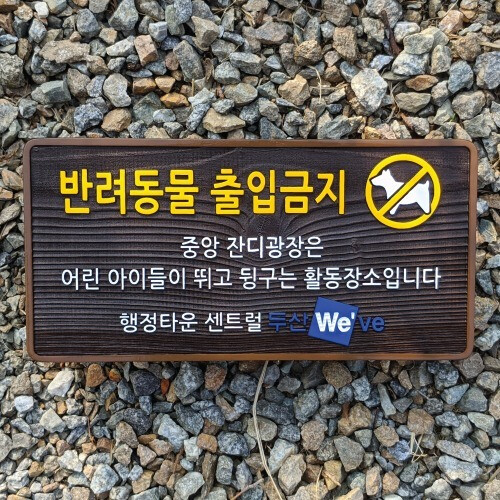
The growing trend of "No-Pet Zones"—spaces that strictly prohibit the entry of companion animals—is sparking heated debates across the country.
As a portmanteau of "No," "Pet," and "Zone," No-Pet Zones refer to areas where pets are barred from entering. While certain public spaces and transportation hubs enforce regulations by law, an increasing number of these zones are being established at the discretion of private business owners and managers.
Expanding Beyond Restaurants
Traditionally, pet restrictions were limited to food establishments due to hygiene and safety concerns. However, No-Pet Zones are now rapidly expanding into various public and leisure spaces, including cafes, sports grounds, and hiking trails. This shift is largely driven by evolving social perceptions regarding pets and shared spaces.
The primary catalyst behind this trend is the friction between pet owners and non-pet owners. Growing discomfort among the non-pet public—often triggered by irresponsible behaviors such as failing to clean up pet waste, as well as general hygiene and safety worries—has led many venues to restrict pet access entirely.
A Divided Public and the Need for Solutions
Opinions on the expansion of No-Pet Zones remain deeply divided. Pet owners voice frustration over shrinking spaces where they can spend time with their animal companions. On the other hand, non-pet owners argue they have the right to enjoy clean, relaxed environments without disruptions.
Amidst this ongoing controversy, experts emphasize that a balanced approach is crucial. They call for clear, standardized guidelines regarding pet access, alongside a stronger sense of responsibility and etiquette among pet owners to bridge the social divide.
[Copyright (c) Global Economic Times. All Rights Reserved.]