![[등록] 2026-09-01 15:48:31](/support/_updata/banner2/tl181982910_6749.png)


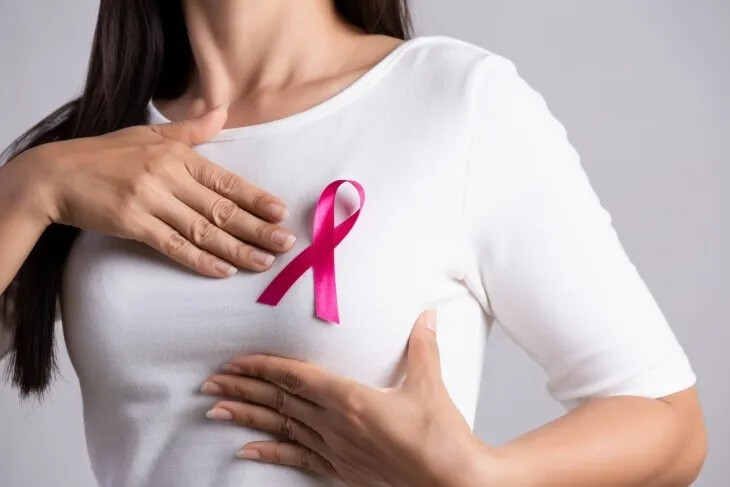
While breast cancer incidence in Korea is lower than in Western countries, its disproportionate impact on young, premenopausal women is a growing concern. The rising rates among women in their 20s and 30s necessitate increased awareness and proactive measures, especially given the current National Cancer Screening Program's focus on women aged 40 and over. This gap leaves younger women vulnerable and underscores the importance of self-examination and lifestyle adjustments.
Professor Kim Dong-joo of the Department of Surgery at Catholic University of Daejeon St. Mary's Hospital offers guidance on self-examination techniques and risk-reducing lifestyle habits.
Self-Examination: A Crucial First Line of Defense
Professor Kim recommends that premenopausal women perform self-exams approximately one week after their menstrual period ends, while postmenopausal women should choose a consistent day each month. These self-exams are vital for early detection, although they shouldn't replace regular professional checkups.
The self-exam involves two key steps: visual inspection and palpation. Begin by examining your breasts in front of a mirror. Look for changes in size or shape, skin texture (such as an orange peel appearance), nipple retraction or dimpling, and any nipple discharge. If any of these signs are present, a consultation with a doctor is crucial.
Next, use the pads of your second, third, and fourth fingers to gently press and feel the entire breast area. Pay close attention to any lumps, thickening, or discharge. While self-examination is a valuable tool, it's essential to remember its role as a preliminary measure. Regular visits to a breast surgeon are highly recommended for comprehensive screening.
Factors Contributing to Rising Rates and Preventative Measures
Several factors are believed to contribute to the increasing incidence of breast cancer in young Korean women. These include dietary shifts towards Westernized, high-fat, and high-calorie foods, leading to increased obesity. Genetic predispositions also play a role. Furthermore, later marriages, lower birth rates (resulting in less breastfeeding), and earlier menarche/later menopause, all of which increase estrogen exposure, are considered contributing factors. Increased detection rates due to the government's 활성화된 (active) cancer screening program are also likely a factor.
While the precise causes of breast cancer remain under investigation, adopting healthy lifestyle habits can significantly reduce the risk. Maintaining a healthy weight is crucial, especially for postmenopausal women, as obesity is a known risk factor. Regular physical activity, such as exercising for at least an hour more than five times a week, promotes hormone balance and energy expenditure.
Limiting alcohol consumption is also essential. Studies show that even moderate alcohol intake (10g per day, equivalent to 250cc of beer) can increase breast cancer risk by approximately 10%, regardless of menopausal status. Therefore, refraining from frequent alcohol use is highly advisable.
Hormone replacement therapy (HRT) should be used cautiously. Women undergoing long-term HRT, particularly those who initiated it before their first child was born under the age of 20, may face an elevated risk of breast cancer. Careful consideration and consultation with a healthcare professional are necessary before and during HRT.
Early Detection: The Key to Survival
The survival rate for breast cancer is strongly linked to early detection. The overall 5-year survival rate after surgery is approximately 91.2%, and the 10-year survival rate is 84.8%. Stage-specific 5-year survival rates range from 98.3% for stage 0 to 34% for stage 4. These statistics highlight the importance of early diagnosis through regular screenings and self-examination. Early detection significantly improves prognosis and lowers mortality rates compared to diagnoses made after symptoms manifest. By combining proactive self-care with regular medical checkups, young Korean women can take control of their breast health and improve their chances of early detection and successful treatment.
[Copyright (c) Global Economic Times. All Rights Reserved.]