![[등록] 2026-09-01 15:48:31](/support/_updata/banner2/tl181982910_6749.png)


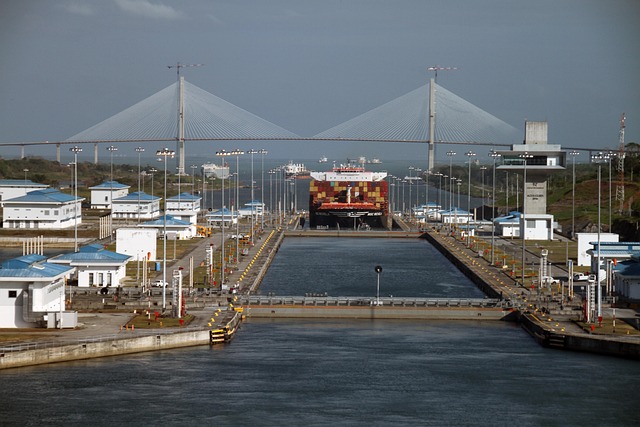
The Panama Canal, a vital artery of global trade connecting the Atlantic and Pacific Oceans, has emerged as the latest flashpoint in the escalating geopolitical competition between the United States and China. What began as a seemingly straightforward commercial transaction – the potential sale of port operating rights held by Hong Kong-based CK Hutchison Holdings – has morphed into a complex interplay of economic leverage, national security concerns, and historical grievances. The unfolding saga underscores the intertwined nature of global commerce and strategic power, with the small Central American nation of Panama finding itself at the center of a tug-of-war between two global giants.
The current imbroglio was seemingly ignited by remarks from a former US President, who publicly asserted the need for the United States to "regain control" of the Panama Canal, echoing sentiments about free passage for US military and commercial vessels through both the Panama and Suez Canals. These statements, laden with historical references to the US construction of the canal, have evidently rattled Beijing, prompting a robust response aimed at thwarting any perceived attempt by Washington to exert undue influence over this critical waterway.
China's primary tool in this confrontation has been its Anti-Monopoly Law. The State Administration for Market Regulation has launched an investigation into CK Hutchison's proposed $23 billion sale of its global port portfolio, including the two key Panamanian ports, to a consortium led by US asset management firm BlackRock. This investigation has effectively stalled the deal, with Chinese authorities explicitly warning CK Hutchison against evading antitrust scrutiny and even hinting at potential national security implications should the port operations fall under the control of entities deemed susceptible to US pressure.
The involvement of the Italian shipping conglomerate, the Aponte family, through their investment vehicle, further complicates the situation. Reports suggest that BlackRock intended to transfer a majority stake in the acquired ports to the Aponte family. However, Beijing has unequivocally stated its opposition to this arrangement as well, signaling its determination to prevent any scenario that could potentially compromise its strategic interests in the Panama Canal.
Several factors underpin China's assertive stance. Firstly, the Panama Canal's strategic significance in global trade is undeniable. It serves as a crucial link for the movement of goods between Asia and the Americas, and control over key infrastructure within the canal zone holds significant economic and potentially geopolitical leverage. China, as a major trading nation, has a vested interest in ensuring the canal's continued smooth operation and is wary of any single power gaining dominant influence over it.
Secondly, there is a clear undercurrent of suspicion regarding US intentions. China views the former US President's pronouncements about regaining control and demanding free passage as indicative of a desire to reassert American dominance over the canal, potentially at the expense of Panamanian sovereignty and the interests of other nations. This suspicion is likely amplified by broader concerns about US efforts to contain China's growing global influence.
Thirdly, China's invocation of its Anti-Monopoly Law and potential national security concerns reflects a growing assertiveness in protecting its economic and strategic interests on the global stage. Beijing is increasingly willing to use its own legal and regulatory frameworks to counter perceived threats or attempts at undue foreign influence, particularly concerning critical infrastructure and strategic locations.
The historical context of the Panama Canal is also crucial to understanding the current tensions. The United States built the canal in the early 20th century and maintained control over it for decades, a period marked by complex and often contentious relations with Panama. The eventual handover of the canal to Panamanian sovereignty in 1999 was a significant moment, rectifying a long-standing point of contention. China's current stance can be interpreted, in part, as a defense of Panama's hard-won sovereignty against any perceived attempts to erode it.
The situation presents a delicate challenge for Panama. Caught between two global powers vying for influence over its most prized asset, Panama must navigate a complex diplomatic landscape to safeguard its sovereignty and economic interests. Balancing its long-standing relationship with the United States with its growing economic ties to China requires careful consideration and strategic maneuvering.
The unfolding drama surrounding the Panama Canal's port operations serves as a potent reminder of the intricate connections between global commerce, geopolitics, and national security in the 21st century. As the United States and China continue to vie for global influence, strategic chokepoints like the Panama Canal are likely to become increasingly contested arenas, demanding careful management and a commitment to international cooperation to ensure the continued flow of global trade and maintain regional stability. The resolution of this particular dispute will undoubtedly have implications for future interactions between the two powers and for the sovereignty of nations hosting strategically important infrastructure.
[Copyright (c) Global Economic Times. All Rights Reserved.]