The Gyeongbuk Culture & Tourism Corporation (President Kim Nam-il, hereinafter referred to as the "Corporation") released the November edition of its gourmet travel project, "METI (Monthly Eating Travel Initiative)," which introduces Gyeongbuk's seasonal ingredients and local food culture.
Under the theme "The Pungent Taste of the Earth, the Tender Texture of the Sea," this issue highlights Andong ginger, which is currently in its late-autumn harvesting season, and Dokdo yellowtail, which gains firm flesh in the cold sea. From ginger, grown underground with its unique aroma and spicy kick, to yellowtail, whose flavor and texture change depending on the season, the content captures the contrasting seasonal tastes offered by Gyeongbuk's land and sea.
◆ The Pungent Taste Uncovered from the Soil: Andong Ginger
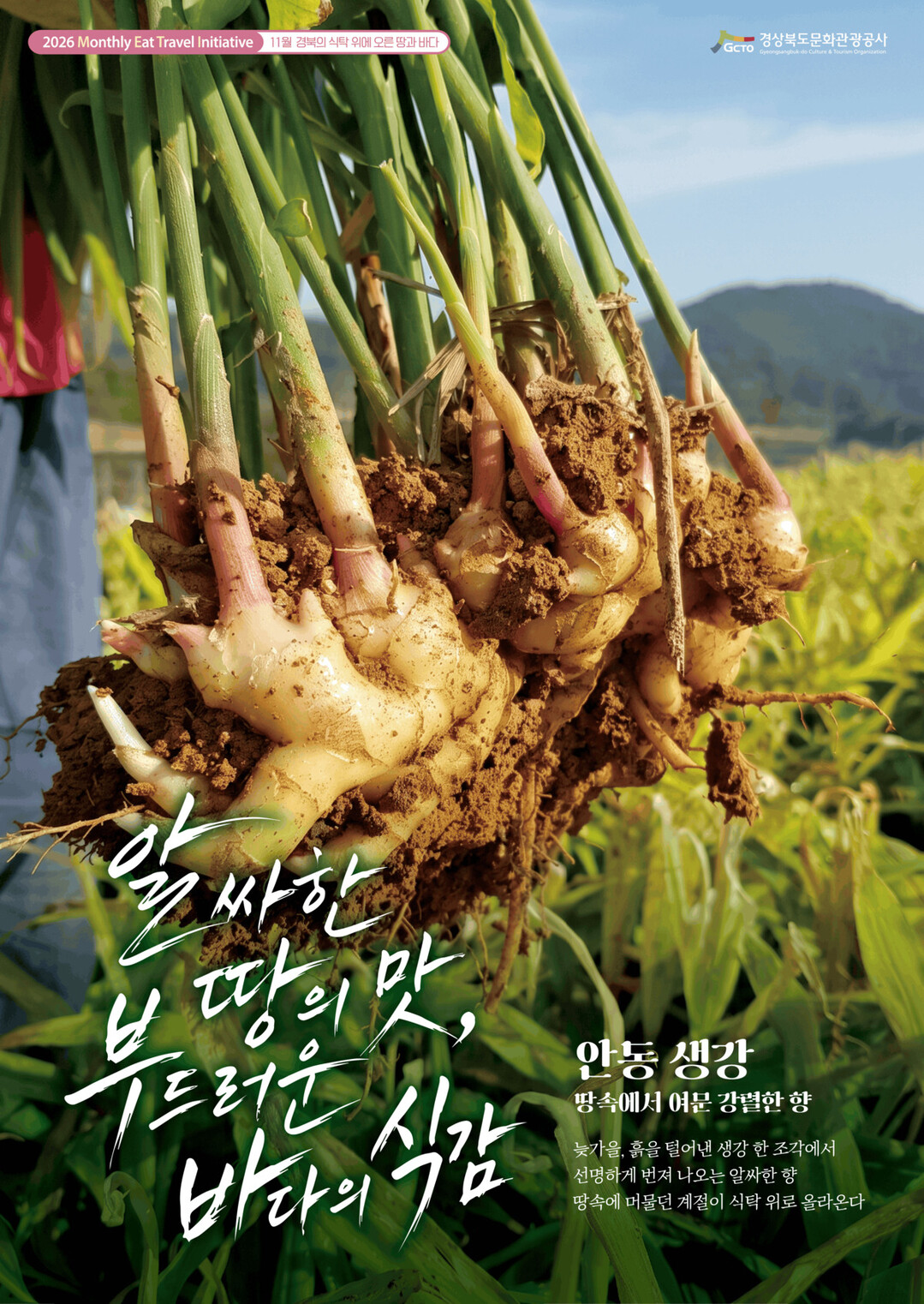
Andong has long been an active region for ginger cultivation, making it one of the area's representative specialties. Although ginger looks like a root, it is actually an edible underground stem (rhizome) characterized by its unique pungent aroma and spicy flavor.
During its late-autumn harvest season, ginger is brushed clean of soil and prepped for use as a versatile cooking ingredient. Its characteristic pungency enhances flavor and reduces the unwanted gamey odors of meat and fish, playing an indispensable role in daily dining tables through kimchi and various seasonings.
Ginger goes beyond its spicy kick to transform into sweet treats as well. Ginger syrup, made by steeping ginger in sugar, can be enjoyed as a warm tea, while candied ginger (saenggang-jeongwa), boiled down and dried, offers a chewy traditional snack. Transforming from a spice that adds savory depth to meals into sweet teas and snacks, ginger reveals a whole new charm.
◆ The Seasonal Fish Navigating the Easternmost Sea: Dokdo Yellowtail
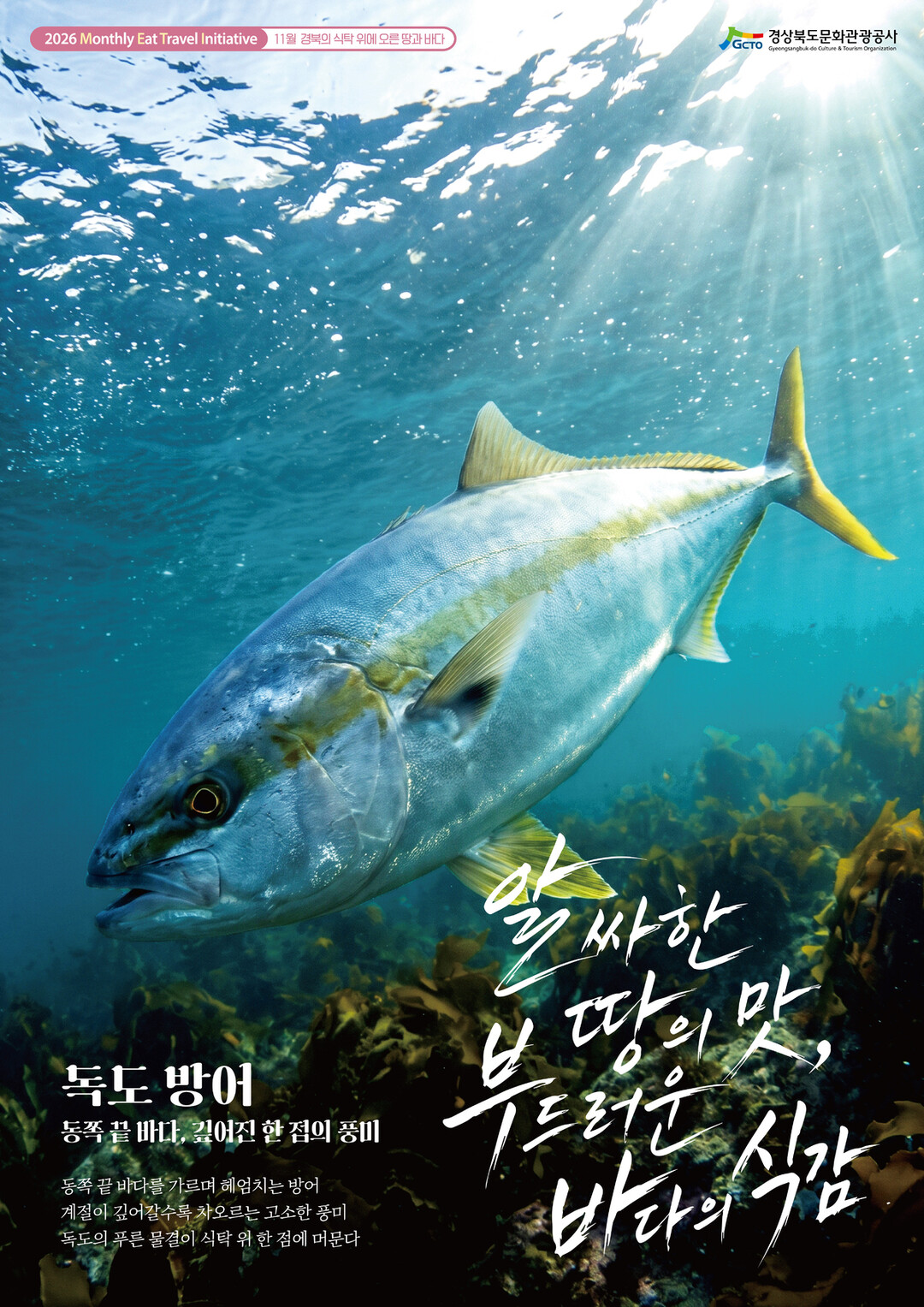
Yellowtail is a representative migratory fish species traveling between the East and South Seas, characterized by a bluish back, silvery-white belly, and a body tinged with yellow. Especially as autumn transitions into winter, the fish builds up fat and flesh, deepening its savory flavor.
Found also in the waters surrounding Dokdo, yellowtail can be enjoyed in a variety of ways, ranging from fresh sashimi to grilled dishes and braised preparations. Eaten as sashimi, different cuts offer distinct textures: the fatty belly meat is rich and tender, while the back meat is relatively mild and clean-tasting.
Recently, yellowtail is being enjoyed not only through traditional raw or grilled preparations, but also via unique cooking methods like ceviche and frying. Ceviche infused with the acidity of citrus fruits adds freshness to the fatty richness of yellowtail, while crispy fried yellowtail offers an appealing contrast between a moist interior and a crunchy exterior. Depending on how it is prepped and cooked, the very same yellowtail can deliver entirely different culinary experiences.
Kim Nam-il, President of the Gyeongbuk Culture & Tourism Corporation, stated, "Enjoying seasonal food is another way to understand a region's nature and climate. We hope this edition of METI allows people to view familiar ingredients with a fresh perspective and discover the hidden gourmet charms scattered throughout Gyeongbuk."
Meanwhile, the "Gyeongbuk Gourmet Travel METI" project spearheaded by the Corporation selects seasonal ingredients from Gyeongbuk's land and sea every month, discovering and introducing stories embedded in the local natural environment and food culture. The Corporation plans to continuously showcase content linking Gyeongbuk's regional ingredients with its unique food culture moving forward.
[Copyright (c) Global Economic Times. All Rights Reserved.]