![[등록] 2026-09-01 15:48:31](/support/_updata/banner2/tl181982910_6749.png)


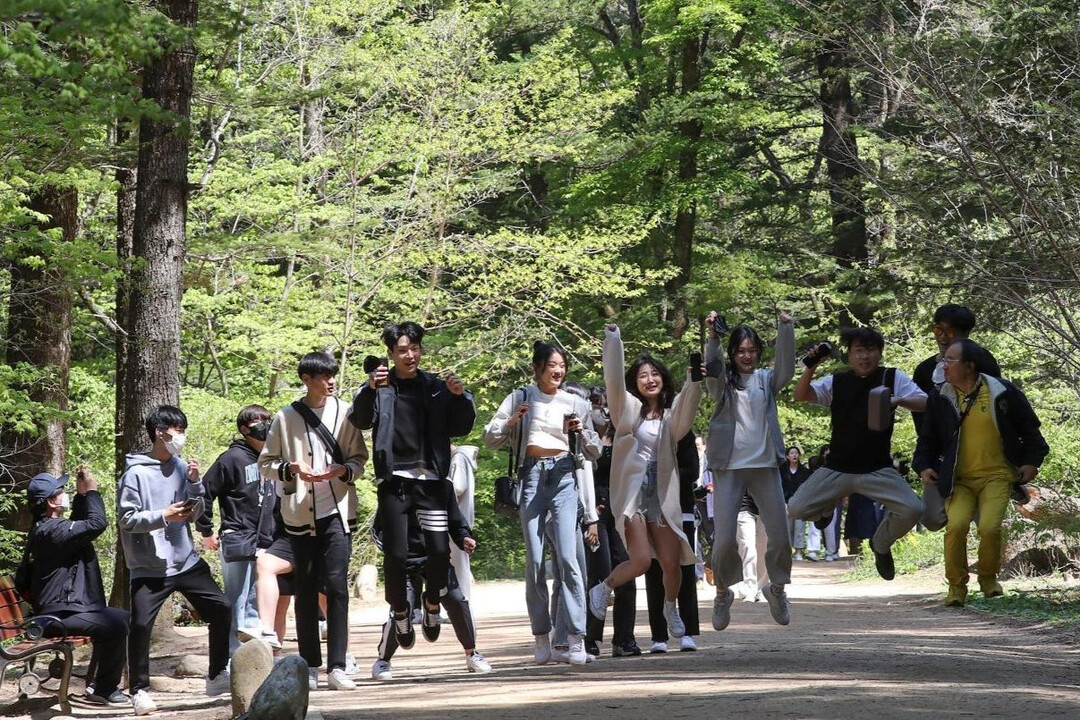
SEOUL — For decades, the school field trip was a rite of passage for South Korean students—a chance to escape the chalkboard and learn from the world. However, a new survey suggests these excursions may soon become a thing of the past as teachers increasingly refuse to bear the "infinite responsibility" of student safety.
According to a survey conducted by the Elementary School Teachers’ Union released on May 4, 2026, a staggering 96.2% of the 21,918 respondents expressed a negative view toward organizing or participating in off-campus field trips. Of those, over 90% described their stance as "extremely negative."
The Burden of Responsibility
The shift in sentiment isn't due to a lack of educational passion, but rather a growing fear of legal and social repercussions. The survey identified the primary deterrents as:
Legal Liability (49.8%): Anxiety over being held personally responsible for unpredictable accidents.
Parental Complaints (37.0%): The psychological toll of dealing with aggressive "minwon" (civil complaints) from parents following minor incidents.
Administrative Overload (12.4%): The grueling process of vetting venues, managing contracts, and settling complex budgets.
"Teachers are being asked to act as bodyguards, tour guides, and administrators all at once, without any legal shield," said a representative from the union. "When an accident happens—even one that is entirely out of the teacher's control—the legal system and the public often look for a scapegoat. Currently, that scapegoat is the teacher."
A Systemic Crisis
The controversy has intensified in recent years following several high-profile court cases where teachers were held criminally liable for accidents occurring during school activities. These rulings have sent a chill through the education sector, leading many schools to cancel long-standing traditions like "Suryeon-hoe" (retreats) and "Sopoong" (picnics).
The survey revealed a desperate consensus on the solution: 92.5% of respondents agreed that the most urgent requirement for the resumption of field trips is the establishment of a "legal immunity system." This would protect educators from civil and criminal lawsuits, provided there was no evidence of gross negligence or intentional harm.
The Educational Cost
Education experts warn that the decline of field trips will result in a "sterile" learning environment. While classroom learning is safe, it cannot replace the social and cultural growth that occurs during group travel. However, the union remains firm, arguing that the educational value does not outweigh the personal ruin a teacher faces during a lawsuit.
"We recognize that field trips are precious opportunities for students to expand their horizons," the Union stated in an official press release. "However, the government must first ensure that teachers are not forced to take 'infinite responsibility' for the unpredictable. We demand legislative action to fundamentally limit a teacher's civil and criminal liability during sanctioned educational activities."
The Road Ahead
As the Ministry of Education faces mounting pressure, the debate now moves to the National Assembly. While parents are divided—some demanding the continuation of trips and others prioritizing safety—the teaching community has made its message clear: until the law changes to protect the person at the front of the bus, the wheels of the school bus may stay stopped for good.
[Copyright (c) Global Economic Times. All Rights Reserved.]