• 2025.12.11 (Thu)
  • All articles
  • LOGIN
  • JOIN
Global Economic Times
APEC2025KOREA가이드북
  • Synthesis
  • World
  • Business
  • Industry
  • ICT
  • Distribution Economy
  • Well+Being
  • Travel
  • Eco-News
  • Education
  • Korean Wave News
  • Opinion
  • Arts&Culture
  • Sports
  • People & Life
  • Column
    • Cho Kijo Column
    • Lee Yeon-sil Column
    • Ko Yong-chul Column
    • Cherry Garden Story
  • Photo News
  • New Book Guide
MENU
 
Home > World

EU States Agree to Complete Phase-Out of Russian Gas by End of 2027

Graciela Maria Reporter / Updated : 2025-10-21 18:45:46
  • -
  • +
  • Print


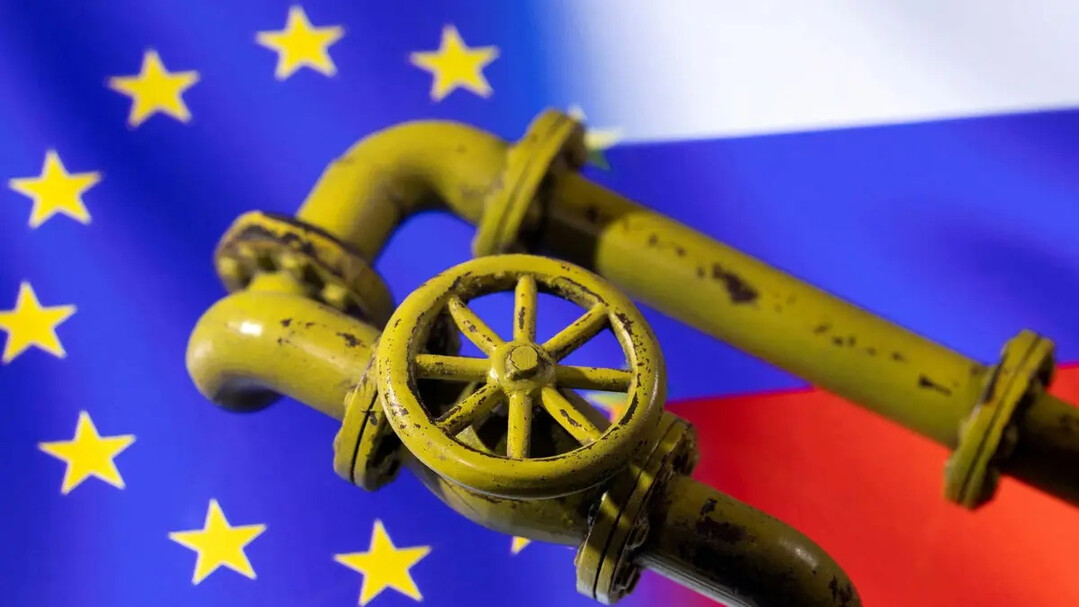
LUXEMBOURG — European Union member states have reached a landmark agreement to fully phase out all remaining Russian gas imports, including Liquefied Natural Gas (LNG), by the end of 2027. The decision, a crucial step in the bloc's drive for energy independence following Russia's full-scale invasion of Ukraine, was formalized by EU energy ministers in Luxembourg on October 20, 2025.

The Council's position, based on a European Commission proposal, lays out a concrete, legally binding schedule for the ban. Specifically, new gas import contracts from Russia will be prohibited starting January 1, 2026. Existing short-term contracts signed before mid-June 2025 are permitted to continue until June 17, 2026, while long-term contracts must be terminated or allowed to expire by January 1, 2028, effectively setting the final deadline for the full import ban of all Russian gas. The regulation now moves to negotiations with the European Parliament, which has previously advocated for an even faster phase-out, suggesting a swift conclusion to the legislative process is likely.

The measure was passed with overwhelming support, with 25 out of the 27 member states voting in favour, achieving the 'qualified majority' needed for trade restrictions. Only Hungary and Slovakia, which remain heavily reliant on Russian pipeline gas, opposed the plan, citing concerns about energy supply security.

Despite a significant reduction since the war began, Russian gas, primarily in the form of LNG, still constitutes approximately 13 percent of the EU's total gas imports, valued at over €15 billion annually. The complete halt of these imports is expected to deal a considerable blow to Russia's energy industry and war chest. The EU's action aligns with a broader transatlantic strategy, having come shortly after pressure from the United States to accelerate the reduction of Russian fossil fuel purchases. The phase-out is a central component of the EU’s REPowerEU initiative, aiming to secure Europe’s energy future and resilience.

[Copyright (c) Global Economic Times. All Rights Reserved.]

  • #globaleconomictimes
  • #micorea
  • #mykorea
  • #Lifeplaza
  • #nammidonganews
  • #singaporenewsk
  • #Samsung
  • #Daewoo
  • #Hyosung
  • #A
Graciela Maria Reporter

Popular articles

  • Japan Pioneers External Airbags for Cyclist Safety, Revolutionizing Auto Industry Protection

  • EU Accelerates 'Battery Independence' with Multi-Trillion Won Public Fund Injection

  • Tragedy's Timepiece: Titanic Passenger's Watch Fetches Record-Breaking $2.5 Million at Auction

I like it
Share
  • Facebook
  • X
  • Kakaotalk
  • LINE
  • BAND
  • NAVER
  • https://www.globaleconomictimes.kr/article/1065606283835294 Copy URL copied.
Comments >

Comments 0

Weekly Hot Issue

  • Won-Dollar Exchange Rate Rises to 7-Month High: South Korean Authorities Scramble to Stabilize Currency as Overseas Investment Surges
  • South Korea Confirmed as Co-Host of 2028 UN Ocean Conference (UNOC)
  • Netflix Stock Plummets 10% on Credit Downgrade Fears Following Blockbuster Warner Bros. Acquisition
  • Tech Tensions Flare: DeepSeek Allegedly Smuggles Banned NVIDIA Blackwell Chips for New AI Model
  • From Court to Content: French Tennis Star Océane Dodin Trades Racquet for OnlyFans, Eyes $5M in a Year
  • Alibaba's AI Ascent: Stock Soars 70% as Tech Giant Pivots Beyond E-commerce

Most Viewed

1
Korean War Ally, Reborn as an 'Economic Alliance' Across 70 Years: Chuncheon's 'Path of Reciprocity,' a Strategic
2
A Garden Where the City's Rhythm Stops: Dongdaemun's 'Cherry Garden', Cooking Consideration and Diversity
3
The Sudden Halt of Ayumi Hamasaki's Shanghai Concert: Unpacking the Rising Sino-Japanese Tensions
4
Alliance in a Dilemma: The Fallout of Trump's Advice to Takaichi Not to 'Provoke Taiwan' 
5
The Paradox of the 'Juvenile Offender' (Chokbeop Sonyeon): Impunity or Unfinished Rehabilitation?
광고문의
임시1
임시3
임시2

Hot Issue

Tech Tensions Flare: DeepSeek Allegedly Smuggles Banned NVIDIA Blackwell Chips for New AI Model

Samsung SDI Secures Multi-Trillion Won LFP Battery Deal, Marking Full-Scale Entry into US ESS Market

Netflix Stock Plummets 10% on Credit Downgrade Fears Following Blockbuster Warner Bros. Acquisition

LG Innotek Develops Eco-Friendly Next-Gen Smart IC Substrate, Reducing Carbon Emissions by Half

Let’s recycle the old blankets in Jeju Island’s closet instead of incinerating them.

Global Economic Times
korocamia@naver.com
CEO : LEE YEON-SIL
Publisher : KO YONG-CHUL
Registration number : Seoul, A55681
Registration Date : 2024-10-24
Youth Protection Manager: KO YONG-CHUL
Singapore Headquarters
5A Woodlands Road #11-34 The Tennery. S'677728
Korean Branch
Phone : +82(0)10 4724 5264
#304, 6 Nonhyeon-ro 111-gil, Gangnam-gu, Seoul
Copyright © Global Economic Times All Rights Reserved
  • 에이펙2025
  • APEC2025가이드북TV
  • 독도는우리땅
Search
Category
  • All articles
  • Synthesis
  • World
  • Business
  • Industry
  • ICT
  • Distribution Economy
  • Well+Being
  • Travel
  • Eco-News
  • Education
  • Korean Wave News
  • Opinion
  • Arts&Culture
  • Sports
  • People & Life
  • Column 
    • 전체
    • Cho Kijo Column
    • Lee Yeon-sil Column
    • Ko Yong-chul Column
    • Cherry Garden Story
  • Photo News
  • New Book Guide
  • Multicultural News
  • Jobs & Workers