![[등록] 2026-09-01 15:48:31](/support/_updata/banner2/tl181982910_6749.png)


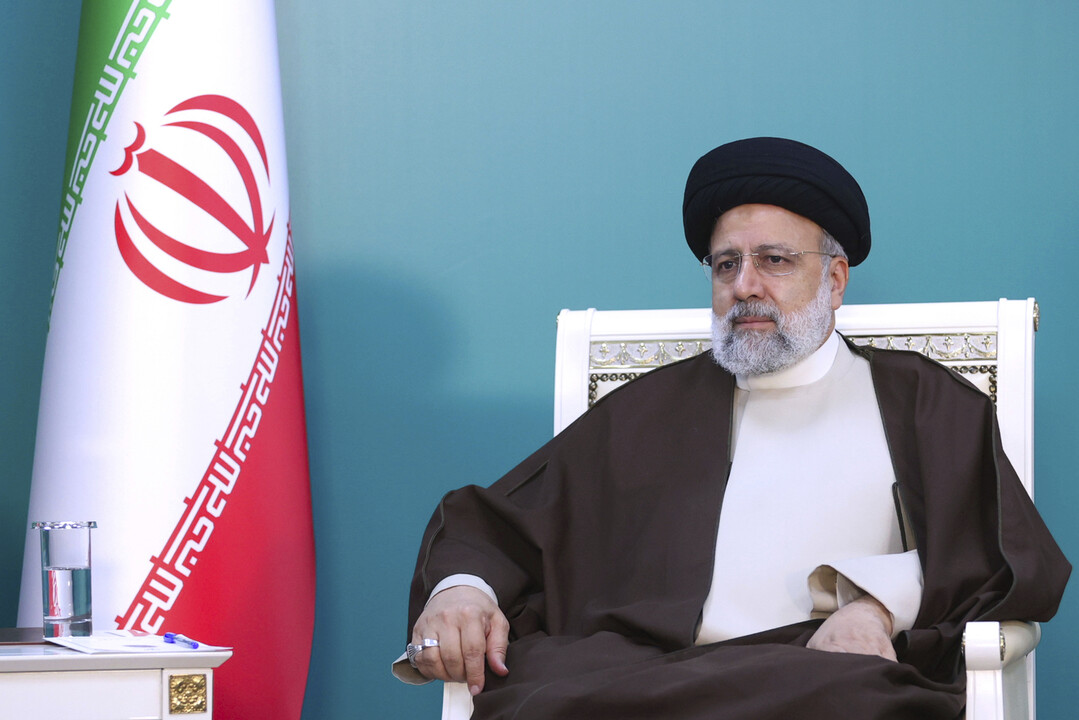
(C) Politico
WASHINGTON D.C. — The assassination of Supreme Leader Ayatollah Ali Khamenei on February 28, 2026, following a joint U.S.-Israeli airstrike, has not yielded the "regime collapse" or moderate transition the Trump administration reportedly envisioned. Instead, the emergence of Mojtaba Khamenei, the late leader’s hardline second son, as the frontrunner for succession is plunging the Middle East into a deeper, more unpredictable quagmire.
The Rise of the "Martyr’s Son"
According to reports from the New York Times and Iranian officials, the Assembly of Experts is expected to announce the new Supreme Leader as early as March 4. While figures like Alireza Arafi and Hassan Khomeini (grandson of the Islamic Republic’s founder) were initially considered, they have been sidelined due to their relatively moderate stances.
Mojtaba Khamenei (56) represents the Islamic Revolutionary Guard Corps (IRGC) faction. Experts, including Vali Nasr of Johns Hopkins University, suggest his appointment signals a total takeover by the military-security apparatus. The fact that Mojtaba survived the strike that killed his family members provides him with a potent "survivor-martyr" narrative, likely to fuel a campaign of "total resistance" against the West.
Trump’s Miscalculation: The Failed "Venezuela Model"
The Trump administration’s strategic goal appears to have been the "Venezuela Model"—identifying and installing a partner from within the existing establishment to ensure stability while securing U.S. interests. However, President Trump admitted to reporters following a meeting with German Chancellor Friedrich Merz that many of the individuals the U.S. viewed as "potential partners" were killed in the strikes.
"Soon, we won't know anyone left over there," Trump remarked, acknowledging the possibility of a leader "just as bad" as the predecessor taking power.
A War Without an End Date
While the administration initially suggested a lightning campaign of 2 to 3 days, the timeline has shifted dramatically. President Trump now estimates the conflict could last "four to five weeks or longer." Without a clear internal partner to take the reins, the necessity of a ground invasion—a prospect Trump has historically loathed—is becoming a centerpiece of military discussions.
The justification for the war remains a moving target:
The Trump Version: A preemptive strike to stop an "imminent" Iranian attack.
The Rubio Version: Secretary of State Marco Rubio initially claimed the U.S. joined because Israel had already decided to strike, later pivoting to say the strike was necessary to prevent Iran from becoming "untouchable" in 12 to 18 months.
Economic Shielding and Diplomatic Friction
To stabilize global markets, Trump directed the U.S. International Development Finance Corporation (DFC) to provide low-cost insurance for shipping in the Persian Gulf. He also threatened to have the U.S. Navy escort tankers through the Strait of Hormuz—a move critics argue turns American vessels into "sitting ducks" for Iranian coastal missiles.
Simultaneously, the "America First" diplomacy is straining alliances:
Spain: Threatened with a total trade embargo after refusing base access and resisting defense spending hikes.
UK: Critiqued by Trump for a perceived lack of "Churchill-level" leadership.
The MAGA Schism
Perhaps the most significant threat to the administration is domestic. Key "Make America Great Again" (MAGA) influencers, including Tucker Carlson, have vocally condemned the intervention as a betrayal of non-interventionist promises. With the midterm elections approaching, the White House is reportedly in damage-control mode. One anonymous source described the situation to Politico as a "nightmare" that is "tearing the MAGA coalition apart."
[Copyright (c) Global Economic Times. All Rights Reserved.]