![[등록] 2026-09-01 15:48:31](/support/_updata/banner2/tl181982910_6749.png)


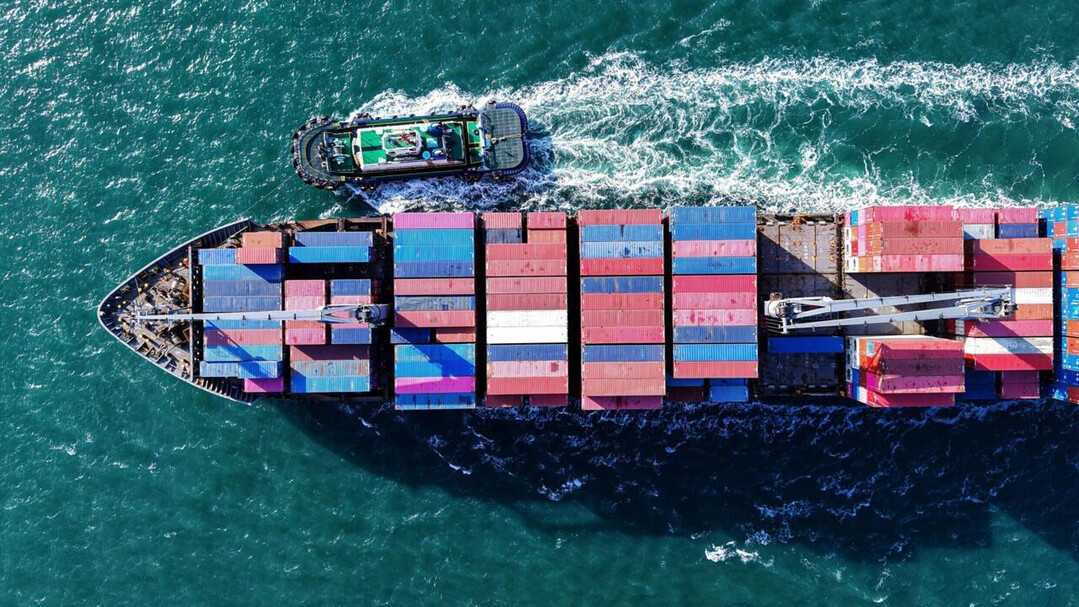
Member states of the International Maritime Organization (IMO), a specialized agency of the United Nations responsible for maritime safety and security and the prevention of marine pollution, reached an agreement last Friday on an international levy on carbon emissions from ships, a measure opposed by the Trump administration.
The agreement, slated for official adoption in October, marks the first time the shipping industry will be subject to internationally binding emissions targets. During the meeting, the IMO set a goal for the shipping sector to achieve net-zero carbon emissions by 2050.
Over 100 countries participated in the meeting. The Trump administration, which withdrew from the IMO earlier this month, stated it could take corresponding measures against any fees imposed on U.S. vessels. The White House and State Department did not immediately respond to requests for comment.
If adopted, the agreement would take effect in 2027.
Key aspects of the agreement include setting new standards for carbon emissions per unit of energy used by ships and requiring a gradual reduction in the carbon intensity of vessels over time. Ship owners failing to meet specific emission targets will be required to offset their emissions or make contributions to the IMO's net-zero fund.
The IMO's net-zero fund will be used to compensate low-emission vessels, support clean energy research, advance the IMO's greenhouse gas reduction plans, and assist countries vulnerable to climate change.
IMO Secretary-General Arsenio Domínguez hailed the agreement as "another significant step forward in our collective efforts to tackle climate change and modernize the shipping industry, demonstrating that the IMO is delivering on its commitments."
However, the agreement faces opposition on several fronts. In addition to the U.S. stance, major oil-producing nations like Saudi Arabia and Russia have also voiced their dissent.
Some countries opposing the proposal argued that "with less than five years until 2030, and considering the scientific, engineering, and technical realities, it is impossible to reduce emissions from all ships by more than 6% within that timeframe, which will lead to unnecessary penalties and severely impact trade, food and energy security, and our shipping industry."
Meanwhile, Pacific Island nations and environmental groups have criticized the agreement as insufficient to meet the IMO's stated goals.
Jessika Færanstock, Head of Decarbonization at the Global Maritime Forum, a non-profit organization focused on the decarbonization of the shipping industry, stated, "While these targets represent progress, they need to be strengthened to drive a rapid fuel transition that allows the shipping sector to reach net-zero by 2050."
Seaborne transport accounts for the majority of global trade, and the shipping industry is responsible for approximately 3% of total greenhouse gas emissions. According to the U.S. Department of Energy, if ranked by national greenhouse gas emissions, the shipping industry would be the sixth-largest emitter.
IMO's Greenhouse Gas Reduction Strategy: In 2018, the IMO adopted an initial greenhouse gas reduction strategy, setting a target to reduce the total annual greenhouse gas emissions from international shipping by at least 50% by 2050 compared to 2008 levels. The current agreement further specifies and strengthens this initial strategy.
Carbon Pricing Mechanisms: The carbon emission levy included in the current agreement is part of a carbon pricing mechanism. It aims to internalize the cost of carbon emissions according to the polluter pays principle, thereby incentivizing the development of low-carbon fuels and technologies and promoting the sustainable development of the shipping industry.
Development of Alternative Fuels and Technologies: Achieving the shipping industry's carbon neutrality goals requires the development and adoption of alternative fuels such as ammonia, methanol, and hydrogen, as well as innovative technologies like electric propulsion and wind-assisted propulsion. The IMO is promoting various initiatives to support these research, development, and demonstration projects.
Importance of Supporting Climate-Vulnerable Nations: Island nations particularly vulnerable to the impacts of climate change, such as sea-level rise and ocean acidification, strongly support the decarbonization efforts of the shipping industry. The IMO's net-zero fund is expected to provide crucial assistance to these countries.
Potential for Changes in U.S. Position: Despite the Trump administration's opposition, there are prospects that the U.S. position on IMO carbon emission regulations could change under a future administration. The active participation of the United States, a major shipping nation, is essential for the collective efforts of the international community.
[Copyright (c) Global Economic Times. All Rights Reserved.]