• 2025.12.07 (Sun)
  • All articles
  • LOGIN
  • JOIN
Global Economic Times
APEC2025KOREA가이드북
  • Synthesis
  • World
  • Business
  • Industry
  • ICT
  • Distribution Economy
  • Well+Being
  • Travel
  • Eco-News
  • Education
  • Korean Wave News
  • Opinion
  • Arts&Culture
  • Sports
  • People & Life
  • Column
    • Cho Kijo Column
    • Lee Yeon-sil Column
    • Ko Yong-chul Column
    • Cherry Garden Story
  • Photo News
  • New Book Guide
MENU
 
Home > Industry

South Korea Joins 'Powering Past Coal Alliance,' Pledges Halt to New Coal Plants

Global Economic Times Reporter / Updated : 2025-11-18 18:55:11
  • -
  • +
  • Print


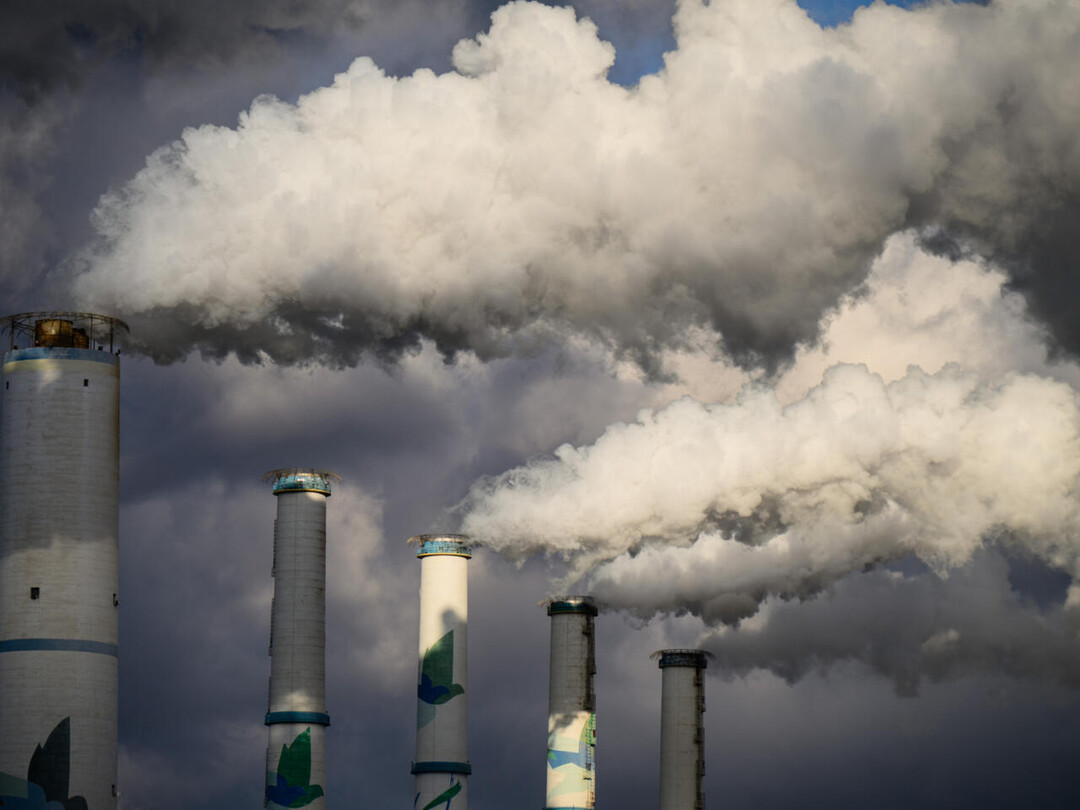
 (C) France24


South Korea has officially joined the Powering Past Coal Alliance (PPCA), an international coalition urging a swift global transition away from coal-fired power. The move, announced on November 17 (local time) at the 30th Conference of the Parties (COP30) to the United Nations Framework Convention on Climate Change (UNFCCC) in Belém, Brazil, signals an expected acceleration in the nation's phase-out of coal-fired power generation.

The Lee Jae-myung government has been pushing the closure of coal power plants by 2040 as a key state agenda. By officially joining the PPCA, South Korea aligns itself with the Alliance's core goal: for developed nations (OECD members and the European Union) to phase out coal power by 2030, and for the rest of the world to do so by 2040.

Upon joining, the Climate, Energy, and Environment Ministry declared that South Korea "will not construct any new coal-fired power plants that lack greenhouse gas reduction facilities."

A Shift in National Energy Policy 

The PPCA was established in 2017 and currently includes over 60 countries, including the United States and the United Kingdom. South Korea is only the second nation in Asia to join the Alliance, following Singapore.

The South Korean government has outlined an ambitious plan for decommissioning its existing coal infrastructure. The nation currently operates 61 coal-fired power units. Under the 11th Basic Plan for Long-term Electricity Supply and Demand, the government plans to shut down 40 of these units by 2038. Furthermore, specific closure plans for the remaining 21 units are expected to be announced next year following public deliberation and consultation.

This commitment represents a significant step in South Korea’s efforts to meet its national and international climate targets, notably reducing greenhouse gas emissions and achieving carbon neutrality. The nation, which has historically relied heavily on coal for its stable and affordable electricity supply, is now pivoting to cleaner energy sources.

Concerns Over Energy Security and Industrial Competitiveness 

However, the rapid push for coal phase-out is not without its critics, who raise concerns about energy stability, particularly in the face of growing industrial demands.

Yoo Seung-Hoon, a professor of Future Energy Convergence at the Seoul National University of Science and Technology, voiced a cautionary perspective. He argued that reliable power sources like coal and nuclear energy remain crucial for stable electricity supply, especially for running high-demand facilities such as AI data centers.

"With countries like China and Germany continuing to expand coal power generation, it is necessary for [South Korea] to pursue practical benefits rather than being the first to declare a coal phase-out," Professor Yoo stated. This sentiment reflects a deep-seated concern among some experts about balancing stringent climate goals with the need to maintain industrial competitiveness and prevent potential energy shortages in a technology-dependent economy.

The government is expected to face mounting pressure to accelerate the deployment of large-scale renewable energy projects and potentially re-evaluate the role of nuclear power to fill the significant capacity gap left by the decommissioned coal plants. The political commitment to the PPCA now firmly positions South Korea on a global trajectory towards decarbonization, making the execution of its energy transition plan a critical test for the government's climate leadership.

[Copyright (c) Global Economic Times. All Rights Reserved.]

  • #globaleconomictimes
  • #micorea
  • #mykorea
  • #Lifeplaza
  • #nammidonganews
  • #singaporenewsk
  • #Samsung
  • #Daewoo
  • #Hyosung
  • #A
Global Economic Times Reporter
Reporter Page

Popular articles

  • Kim Jin-myung’s Novel on King Sejong to Feature Citizens' Voices

  • Hydrofluoric Acid Detected at POSCO Pohang Steelworks Chemical Leak Site, Four Casualties 

  • EU Halts Multi-Entry Visas for Russians Amid Escalating Security Concerns

I like it
Share
  • Facebook
  • X
  • Kakaotalk
  • LINE
  • BAND
  • NAVER
  • https://www.globaleconomictimes.kr/article/1065606793720092 Copy URL copied.
Comments >

Comments 0

Weekly Hot Issue

  • JAPAN’S RISING PREDICAMENT: RECORD BEAR ATTACKS STRIKE FEAR ACROSS NATION
  • Trump NSS Declares Europe Faces 'Civilizational Erasure,' Vows to Aid Anti-Immigration Right-Wing Parties
  • Meta's Strategic U-Turn: The AI Race Re-Elevates Real-Time News
  • Gapyeong's Petit France and Italian Village Illuminate Winter with 'Starlight Festival'
  • Grand Opening: Gwangju Museum's Ceramics Culture Center Offers Comprehensive Look at Ceramic History
  • Choi Bun-do, Chairman of PTV Group, Assumes Presidency of the Korean Chamber of Commerce and Industry in South Central Vietnam

Most Viewed

1
Korean War Ally, Reborn as an 'Economic Alliance' Across 70 Years: Chuncheon's 'Path of Reciprocity,' a Strategic
2
A Garden Where the City's Rhythm Stops: Dongdaemun's 'Cherry Garden', Cooking Consideration and Diversity
3
The Sudden Halt of Ayumi Hamasaki's Shanghai Concert: Unpacking the Rising Sino-Japanese Tensions
4
Farewell to a Legend: South Korea Mourns the Passing of Esteemed Actor Lee Soon-jae
5
China’s Anti-Starlink Strategy: Simulation Suggests 2,000 Drones Needed for Taiwan Disruption
광고문의
임시1
임시3
임시2

Hot Issue

EU Unveils €90 Billion Ukraine Aid Plan Backed by Frozen Russian Assets

Seoul's 'Insane Rent' Warning: Why $30,000 Monthly Rent is a Looming Threat Residential Crisis Deepens as Tourist Housing Conversion Hits Supply

Seo Min-kyu Wins Gold at Junior Grand Prix Final... First Korean Since Kim Yuna 20 Years Ago

2026 Overseas Koreans Agency Budget Confirmed at 112.7 Billion Won... 5.3% Increase Year-on-Year

Let’s recycle the old blankets in Jeju Island’s closet instead of incinerating them.

Global Economic Times
korocamia@naver.com
CEO : LEE YEON-SIL
Publisher : KO YONG-CHUL
Registration number : Seoul, A55681
Registration Date : 2024-10-24
Youth Protection Manager: KO YONG-CHUL
Singapore Headquarters
5A Woodlands Road #11-34 The Tennery. S'677728
Korean Branch
Phone : +82(0)10 4724 5264
#304, 6 Nonhyeon-ro 111-gil, Gangnam-gu, Seoul
Copyright © Global Economic Times All Rights Reserved
  • 에이펙2025
  • APEC2025가이드북TV
  • 세종시
Search
Category
  • All articles
  • Synthesis
  • World
  • Business
  • Industry
  • ICT
  • Distribution Economy
  • Well+Being
  • Travel
  • Eco-News
  • Education
  • Korean Wave News
  • Opinion
  • Arts&Culture
  • Sports
  • People & Life
  • Column 
    • 전체
    • Cho Kijo Column
    • Lee Yeon-sil Column
    • Ko Yong-chul Column
    • Cherry Garden Story
  • Photo News
  • New Book Guide
  • Multicultural News
  • Jobs & Workers