![[등록] 2026-09-01 15:48:31](/support/_updata/banner2/tl181982910_6749.png)


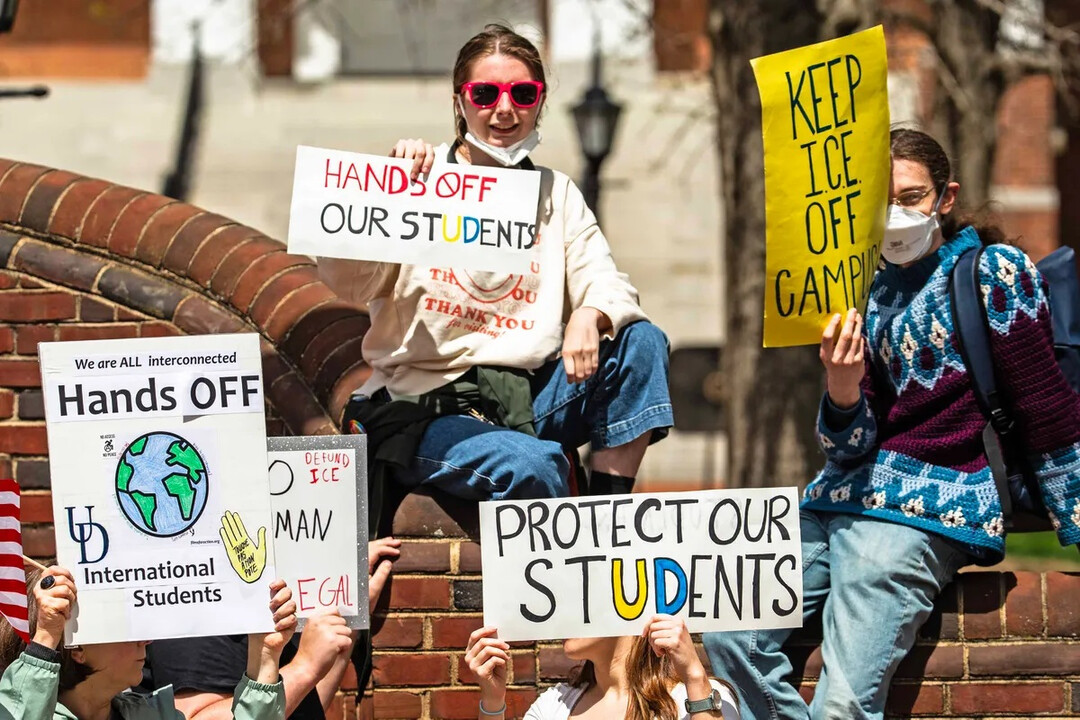
COLUMBIA, SC - The federal government is facing legal action after Matthew Ariwoola, a 32-year-old international doctoral chemistry student from Nigeria at the University of South Carolina (USC), filed a lawsuit on Friday alleging a violation of due process. Ariwoola's student visa status was unexpectedly revoked last week without any explanation provided by authorities.
Ariwoola, who was in his fourth year of his doctoral program and slated to graduate in December, was informed by USC staff on April 8th that he could no longer continue his studies or teaching responsibilities due to the sudden change in his immigration status.
In a swift response, U.S. District Judge Jacquelyn Austin granted a temporary restraining order late Friday, preventing Ariwoola's detention or deportation for a period of two weeks. The order stipulates that the government should not impede Ariwoola from "continuing to pursue his academic and employment pursuits that he is authorized to pursue."
Ariwoola's case is part of a larger pattern affecting over 1,000 international students across the nation, who are now facing potential arrest and deportation by the U.S. Department of Homeland Security (DHS) and U.S. Immigration and Customs Enforcement (ICE). This wave of revocations follows the termination of their student visas under the Trump administration. The DHS has yet to issue a public statement regarding these actions.
According to Allen Chaney, the legal director of the ACLU of South Carolina, who is representing Ariwoola, at least a dozen USC students, two students from Furman University, and several from Clemson University have had their visas revoked or their records in the Student and Exchange Visitor Information System (SEVIS) terminated without any prior notification. Chaney emphasized that this figure only includes the students his organization is aware of, suggesting the actual number could be higher.
"Matthew is yet another victim of the Trump administration's haphazard and flagrantly unconstitutional dragnet of our international students," Chaney stated. "It's hard to see how ejecting a hardworking and law-abiding doctoral student is anything but the product of an unmasked hatred of non-Americans. No one is better off if Matthew is deported, no one."
International students typically enter the U.S. through the F-1 student visa program, and their visa status is maintained in the federal SEVIS database. The implications of this record termination on the students' legal status and the intended actions of Homeland Security remain unclear and are currently being contested in court.
Generally, once an international student is granted a visa and residency status, they can remain in the U.S. even if their visa expires, as long as they maintain full-time enrollment and avoid convictions for violent crimes. There are also limitations on off-campus employment.
Ariwoola's visa expired in February. He has been actively involved in researching methods to enhance the effectiveness of medications and teaching four chemistry courses at USC. The stipend he receives from the university has been his family's primary source of support. The ACLU of SC highlighted that without this income, Ariwoola faces the risk of homelessness and inability to pay rent.
Chaney asserted that the federal immigration agency provided no advance warning of their intention to terminate his client's record. The only reason cited in the federal database for the termination was: "OTHER – Individual identified in criminal records check and/or has had their VISA revoked."
"There's no process, no notice, they're just shipping them straight to termination," Chaney told the SC Daily Gazette.
Notably, Ariwoola has no criminal convictions. He was arrested in 2023 on a warrant from Georgia related to an alleged "theft by deception." However, the ACLU stated that Ariwoola had no contact with the accuser, and all charges were subsequently dismissed by the prosecutor.
Historically, international students whose visas were revoked or expired did not necessarily lose their legal residency status and could continue their studies in the U.S. The revocation primarily prevented them from leaving and re-entering the country without reapplying for a new visa.
In a similar case in Michigan involving students from the University of Michigan and Wayne State University, government lawyers argued in court documents that "terminating a record within SEVIS does not effectuate a visa revocation" and that students could apply for reinstatement of their status.
However, immigration lawyers have questioned the rationale behind Homeland Security's termination of these records if there was no intention to revoke the students' legal status. Adding to the confusion, some students, including Ariwoola, have received communications indicating a loss of legal status.
"We recommend that you depart the United States as soon as possible because you no longer have legal status in the United States," USC's international student office wrote in an email to Ariwoola, which was included in court filings. The email also advised him to resign from his internship and consult with an immigration attorney.
Chaney pointed out that applying for reinstatement involves a new set of arguments and assumes the initial termination was lawful.
"If ICE believes a student is deportable, it has the authority to initiate removal proceedings and make its case," the ACLU of South Carolina argued in court documents. "It cannot, however, misuse SEVIS to circumvent the law, strip students of status, and bully them into self-deporting without any process of law."
The ACLU also contended that universities could face the risk of losing their ability to host international students if they fail to comply with federal regulations by allowing students with revoked status to continue their enrollment. This creates a situation where the termination of status could lead to visa revocation if students are forced to withdraw from their studies. The legal battle to protect the rights of these international students is ongoing.
[Copyright (c) Global Economic Times. All Rights Reserved.]