• 2026.03.05 (Thu)
  • All articles
  • LOGIN
  • JOIN
Global Economic Times
fashionrunwayshow2026
  • Synthesis
  • World
  • Business
  • Industry
  • ICT
  • Distribution Economy
  • Well+Being
  • Travel
  • Eco-News
  • Education
  • Korean Wave News
  • Opinion
  • Arts&Culture
  • Sports
  • People & Life
    • International Student Report
    • With Ambassador
  • Column
    • Cho Kijo Column
    • Cherry Garden Story
    • Ko Yong-chul Column
    • Kim Seul-Ong Column
    • Lee Yeon-sil Column
  • Photo News
  • New Book Guide
MENU
 
Home > Synthesis

The 'Sanae Token' Scandal and the High Cost of Political Speculation

KO YONG-CHUL Reporter / Updated : 2026-03-04 19:11:07
  • -
  • +
  • Print

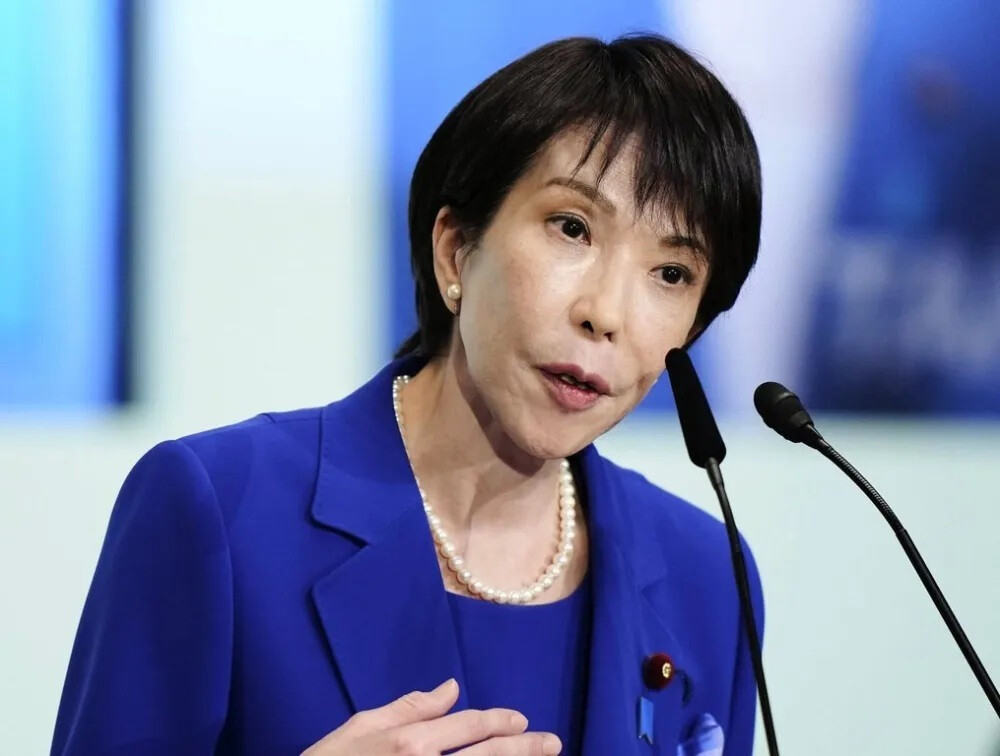
(C) Brandon Sun


TOKYO — In the high-stakes world of cryptocurrency, "Meme Coins" have long been driven by internet culture and celebrity endorsements. However, Japan’s political landscape was rocked this week when the image of the nation’s leader became the face of a speculative frenzy that has left regulators on high alert and investors reeling.

The Rise of "Japan’s Hope"
The controversy began on February 25, when Japanese entrepreneur Yuji Mizoguchi launched the "Sanae Token." Marketed on its official website with stylized illustrations of Prime Minister Sanae Takaichi, the project branded itself as more than just a digital asset. It was promoted as "The Hope of Japan," a digital movement tied to the perceived stability and popularity of the current administration.

The timing was calculated. Recent polls by the Mainichi Shimbun showed PM Takaichi’s cabinet enjoying a robust 61% approval rating. Crypto speculators, looking for the next "moonshot," poured capital into the token, driving its price from a modest 0.1 yen to 2.6 yen in just days. For many, it represented a 26-fold return on investment—on paper.

A Swift Disavowal
The bubble burst late Wednesday when Prime Minister Takaichi took to social media to distance herself from the project. Her response was uncharacteristically blunt for a Japanese head of state regarding financial markets.

"There appears to be a misunderstanding due to the name," Takaichi stated. "I have no knowledge of this token, and my office has never been contacted. I have given no approval whatsoever. I urge the public not to be misled."
The effect was instantaneous. As news of the PM’s denial spread, the "Sanae Token" plummeted, erasing millions in market value within hours. The incident has reignited debates over the "identity theft" of public figures in the Web3 era and the ethics of using political popularity to pump financial assets.

Regulatory Clouds Gathering
While the price crash is a blow to retail investors, the legal ramifications for the issuers are just beginning. Japan’s Financial Services Agency (FSA) has indicated it is considering a formal investigation.

Under Japanese law, entities issuing or trading cryptocurrencies must be registered as "Crypto Asset Exchange Service Providers." Preliminary reports suggest that the Sanae Token may have been sold to the public without these mandatory clearances. If found in violation, the organizers could face severe penalties, including criminal charges for unlicensed financial activity.

The Wider Implication for Japan’s Web3 Strategy
This scandal comes at a delicate time for Japan. The Takaichi administration has generally been supportive of "Cool Japan" and Web3 initiatives as drivers of economic growth. However, the "Sanae Token" debacle highlights the dark side of decentralized finance (DeFi), where the lack of gatekeepers allows for the rapid exploitation of a politician’s brand.

Financial analysts warn that this could lead to a tightening of regulations. "This isn't just about a meme coin," says one Tokyo-based fintech consultant. "It's about the integrity of the financial system. When a token claims to represent 'the hope of a nation' while bypassing the law, the government has no choice but to swing the hammer."

As the FSA continues its probe, the Sanae Token serves as a stark reminder to investors: in the world of crypto, if a project sounds too politically "official" to be true, it almost certainly is.

[Copyright (c) Global Economic Times. All Rights Reserved.]

  • #Korea
  • #Seoul
  • #Hallyu
  • #USA
  • #Economy
  • #Busoness
  • #Global
  • #World
  • #Consumer
  • #Export
  • #Import
  • #Hanguel
  • #Travel
  • #Tour
  • #Food
KO YONG-CHUL Reporter
Reporter Page

Popular articles

  • Revised and Expanded Edition of ‘Failure of Negotiations with North Korea: Truth and Solutions’ Published

  • Commissioner of Overseas Koreans Agency Visits Koryo-in Community in Incheon to Discuss Support for Settlement

  • Two Falls and a Miracle Run: Choi Ga-on Becomes First Korean to Win Winter Olympic Gold on Snow

I like it
Share
  • Facebook
  • X
  • Kakaotalk
  • LINE
  • BAND
  • NAVER
  • https://www.globaleconomictimes.kr/article/1065607767165689 Copy URL copied.
Comments >

Comments 0

Weekly Hot Issue

  • Luckin Coffee Shakes Up Global Market with Blue Bottle Acquisition
  • U.S. Private Sector Hiring Hits 7-Month High in February, ADP Reports
  • Self-Employed Loan Delinquency Rates Double in a Decade Amid Economic Headwinds
  • Multi-Homeowner Loan Balance Hits 103 Trillion Won; Half Concentrated in Seoul and Gyeonggi
  • Industrial Output Dips in January Amid Semiconductor Adjustments; Middle East Tensions Loom as Wild Card
  • South Korean Markets Shaken by "Iran Shock": KOSPI Suffers Historic Rout Amid Soaring Oil and FX Rates

Most Viewed

1
2026, The Grand Year of Hangeul Celebration — The River of History Where Five Streams Converge
2
A New Milestone for Ukraine’s Post-War Reconstruction: The Birth of ISVP
3
Mexican currency and the powerful history behind its designs
4
Revised and Expanded Edition of ‘Failure of Negotiations with North Korea: Truth and Solutions’ Published
5
About mexican food 
광고문의
임시1
임시3
임시2

Hot Issue

South Korean Markets Shaken by "Iran Shock": KOSPI Suffers Historic Rout Amid Soaring Oil and FX Rates

Self-Employed Loan Delinquency Rates Double in a Decade Amid Economic Headwinds

U.S. Private Sector Hiring Hits 7-Month High in February, ADP Reports

Industrial Output Dips in January Amid Semiconductor Adjustments; Middle East Tensions Loom as Wild Card

Let’s recycle the old blankets in Jeju Island’s closet instead of incinerating them.

Global Economic Times
korocamia@naver.com
CEO : LEE YEON-SIL
Publisher : KO YONG-CHUL
Registration number : Seoul, A55681
Registration Date : 2024-10-24
Youth Protection Manager: KO YONG-CHUL
Singapore Headquarters
5A Woodlands Road #11-34 The Tennery. S'677728
Korean Branch
Phone : +82(0)10 4724 5264
#304, 6 Nonhyeon-ro 111-gil, Gangnam-gu, Seoul
Copyright © Global Economic Times All Rights Reserved
  • 에이펙2025
  • APEC2025가이드북TV
  • 독도는우리땅
Search
Category
  • All articles
  • Synthesis
  • World
  • Business
  • Industry
  • ICT
  • Distribution Economy
  • Well+Being
  • Travel
  • Eco-News
  • Education
  • Korean Wave News
  • Opinion
  • Arts&Culture
  • Sports
  • People & Life 
    • 전체
    • International Student Report
    • With Ambassador
  • Column 
    • 전체
    • Cho Kijo Column
    • Cherry Garden Story
    • Ko Yong-chul Column
    • Kim Seul-Ong Column
    • Lee Yeon-sil Column
  • Photo News
  • New Book Guide
  • Multicultural News
  • Jobs & Workers