![[등록] 2026-09-01 15:48:31](/support/_updata/banner2/tl181982910_6749.png)


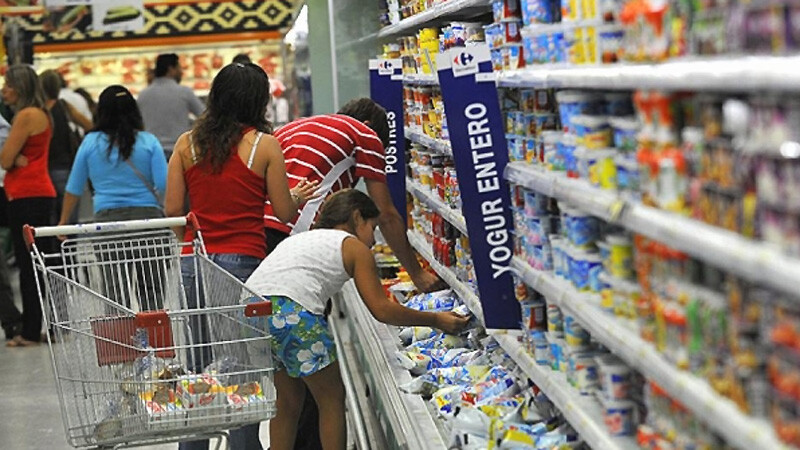
Brasília, Brazil – In a strategic move to tackle rising living costs and curb inflation, the Brazilian government has announced the elimination of import tariffs on 11 essential food items. This decision, spearheaded by the Executive Management Committee (Gecex) of the Foreign Trade Chamber (Camex), is designed to ensure greater accessibility to basic goods for Brazilian consumers.
A significant highlight of this initiative is the complete removal of the 9% import tariff on extra virgin olive oil (NCM code 1509.20.00). This measure is expected to substantially lower prices, benefiting both individual consumers and the restaurant industry.
While Brazil has been gradually increasing its domestic olive oil production, it still relies heavily on imports to meet national demand. The tariff elimination aims to stabilize prices, enhance food security, and expand consumer choices.
"Our priority is to guarantee access to essential foods without undermining the purchasing power of our citizens," stated Geraldo Alckmin, Minister of Development, Industry, Trade, and Services. "Tariff reductions are a key tool to stabilize the market and stimulate the economy."
The benefits are projected to extend to various sectors, particularly the food service and processed food industries, which utilize olive oil in numerous products.
In addition to olive oil, the tariff elimination extends to a list of 11 crucial products, including:
Meat
Sardines
Roasted coffee and beans
Sugar
Palm oil
Sunflower oil
Corn
Pasta
Biscuits
Notably, the government has also increased the palm oil import quota from 60,000 to 150,000 tons for the next 12 months, aiming to regulate the market and prevent potential supply shortages.
These measures are intended to improve the supply of essential goods and mitigate price volatility, particularly amid fluctuations in production costs and changes in global supply chains.
The federal government anticipates that the tariff reductions will positively impact inflation rates and stabilize the food market. In recent months, essential product prices have risen due to increased production costs, global logistical challenges, and climate-related impacts on crops.
The government aims to safeguard the purchasing power of Brazilian citizens and prevent price increases from disproportionately affecting low-income households.
However, the tariff elimination is temporary and part of a broader policy package that includes programs to strengthen domestic production and support local industries.
While the tariff elimination benefits consumers and stabilizes prices, it also presents challenges for domestic producers. By reducing import costs, foreign products can compete more strongly in the domestic market, potentially impacting local businesses that produce foods like olive oil, sugar, and coffee.
To mitigate negative impacts on domestic industries, the government has announced that these measures will be implemented alongside strategies to bolster local production and promote competitiveness.
Possible solutions include:
Tax incentives for local producers
Funding programs for the agricultural sector
Support for innovation and technological development in the agro-industry
The government's challenge lies in finding a balance between price stabilization and protecting the domestic production sector, ensuring that the benefits of these measures are reflected throughout the value chain.
With the tariff reductions in effect, it is expected that basic product prices will gradually decrease, providing consumers with access to essential goods without excessive price increases.
Long-term, this policy could:
Stimulate growth in the food service sector with more affordable input costs.
Enhance Brazil's competitiveness in international trade by reducing dependence on specific products.
Promote greater economic stability and inflation control.
The impact of this strategy will depend on how these measures complement other economic and production policies. In a highly volatile global market, the government's ability to adapt and respond will be crucial to ensuring the success of this initiative.
[Copyright (c) Global Economic Times. All Rights Reserved.]