![[등록] 2026-09-01 15:48:31](/support/_updata/banner2/tl181982910_6749.png)


BERLIN — In a development that threatens to send seismic shocks through European geopolitics, German federal prosecutors have formally accused the Ukrainian government of masterminding the 2022 sabotage of the Nord Stream natural gas pipelines. This revelation, disclosed on July 2, 2026, marks a pivotal turn in one of the most mysterious and consequential acts of infrastructure sabotage in modern history.
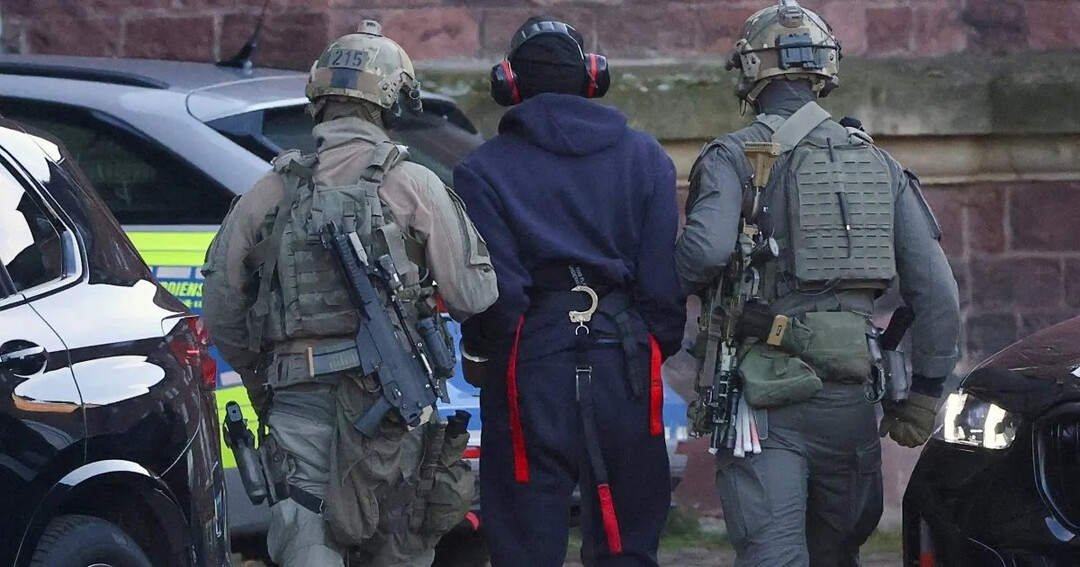
The German Federal Prosecutor’s Office announced that it had indicted Serhiy Kuznetsov, a 50-year-old Ukrainian national, on charges related to the detonation of explosive devices and severe attacks against civilian energy infrastructure, which constitutes a war crime under international law. Kuznetsov, a former Ukrainian military officer, is currently the only suspect in custody among the seven individuals identified by investigators. He was arrested in Italy in August 2025 while on vacation and was extradited to Germany in November of the same year.
The Anatomy of the Sabotage
According to the summary of the indictment, the operation was not a freelance mission by rogue actors but a calculated strike directed by Ukrainian government agencies. The primary objective was to permanently sever the flow of Russian natural gas to Germany, thereby crippling a vital source of revenue that fueled the Kremlin’s war machine in Ukraine.
The operation was meticulously planned by a team consisting of several divers, a ship captain, and an explosives expert. Investigators allege that Kuznetsov served as the team leader. The group utilized high-performance military-grade explosives equipped with sophisticated timers to breach the massive steel pipes. The sabotage, which occurred in September 2022 near the Danish island of Bornholm in the Baltic Sea, destroyed three of the four pipelines comprising Nord Stream 1 and 2. Prior to the attack, Nord Stream 1 had been responsible for supplying half of Germany's total natural gas demand.
Political Fallout and Denial
While the German investigation points directly to Ukrainian state involvement, Kyiv has consistently and vehemently denied any participation in the sabotage. Nevertheless, the evidence unearthed by German authorities suggests otherwise. Reports from Western media outlets have previously implicated Valerii Zaluzhnyi, the former Commander-in-Chief of the Ukrainian Armed Forces and current Ambassador to the United Kingdom, in the strategic command of the operation.
Further complicating diplomatic relations is the alleged assistance provided by Ukrainian officials to suspects attempting to evade justice. In June 2024, German prosecutors issued an arrest warrant for another suspect, Volodymyr Zhuravlev, who was residing in Poland. The mission to apprehend him failed, with German media reporting that the suspect escaped across the border in a vehicle registered to the Ukrainian Embassy in Warsaw.
A Trial with Far-Reaching Consequences
The upcoming trial of Serhiy Kuznetsov is expected to be as much a political minefield as a legal proceeding. German weekly Die Zeit noted that the central question—who exactly gave the orders to Kuznetsov—could expose embarrassing and volatile truths about the extent of Ukrainian government involvement, potentially straining the Berlin-Kyiv alliance.
The news has already ignited fierce political debate within Germany. The far-right party, Alternative for Germany (AfD), seized on the indictment to demand an immediate cessation of all military and financial aid to Ukraine, characterizing the incident as "an attack on the very lifeline of German industry."
As the judicial process begins, the international community watches with bated breath. The indictment not only forces a re-evaluation of the Nord Stream incident but also raises profound questions about the limits of wartime sabotage and the complexities of accountability in an era of asymmetric conflict. Whether this trial will reveal the full hierarchy behind the command or trigger a deeper diplomatic crisis remains to be seen. For now, the German government finds itself in the uncomfortable position of prosecuting an ally for an attack that crippled its own energy infrastructure.
[Copyright (c) Global Economic Times. All Rights Reserved.]