![[등록] 2026-09-01 15:48:31](/support/_updata/banner2/tl181982910_6749.png)


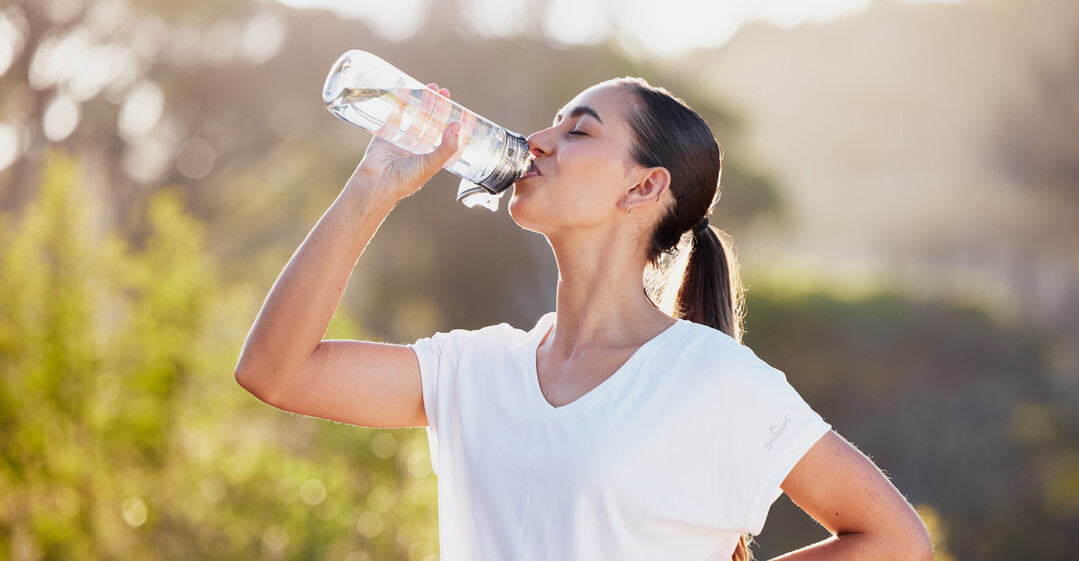
The seemingly innocuous reusable water bottle, championed for its environmental benefits and convenience, may harbor a hidden danger: a thriving metropolis of bacteria. Recent findings, including a report by the BBC, have illuminated the startling rate at which bacteria can proliferate within these everyday vessels, reaching populations in the millions within a mere 24 hours.
The issue gained prominence when Carl Benk, a food safety expert at Purdue University in the United States, experienced a personal revelation while cleaning his own water bottle. "The paper towel was white when I started," he recounted, "but when I pulled it out, it was yellowish-brown. I realized that the slimy residue inside wasn't due to the material of the bottle, but rather bacteria." This unsettling discovery prompted Professor Benk to conduct an informal experiment on his university campus, borrowing water bottles from passersby. His findings were alarming: a significant number of these bottles contained substantial levels of bacterial contamination.
Beyond the Purity of Water: The Bottle's Role in Contamination
It is a common misconception that if the water source is clean, the drinking experience is inherently hygienic. However, research conducted in Singapore underscores that even water that has been boiled can become heavily contaminated within a used water bottle over a single day, with bacterial counts soaring from 75,000 to between one and two million.
The introduction of bacteria into water bottles is not solely attributable to the water itself. Human contact plays a crucial role. Our mouths are home to a diverse ecosystem of approximately 500 to 600 different species of bacteria. Each sip transfers a portion of this oral microbiome to the bottle's interior. Furthermore, inadequate hand hygiene can lead to the deposition of fecal-borne bacteria, such as E. coli, onto the bottle's surfaces. The sharing of water bottles further exacerbates the risk, potentially facilitating the transmission of infectious agents like norovirus.
The type of beverage consumed also influences bacterial growth. Protein shakes and sugary drinks provide a rich nutrient source for bacteria, accelerating their proliferation. The sticky film that often develops after storing milk is a particularly hospitable environment for bacterial colonization.
Health Implications of Bacterial Contamination
Consuming water contaminated with high levels of bacteria can lead to various gastrointestinal issues, including diarrhea and vomiting. Individuals with compromised gut microbiomes, such as those taking antibiotics, may be particularly susceptible to these infections.
Effective Cleaning Strategies: A Necessity for Health
Professor Benk emphasizes that a simple rinse with hot water is insufficient for adequate cleaning. He advises a more thorough approach: "Use detergent and hot water, at least 60 degrees Celsius (140 degrees Fahrenheit), and let it soak for about 10 minutes. Rinse thoroughly afterward and allow it to air dry completely."
Particular attention should be paid to the often-overlooked components of water bottles, such as straws, lids, and handles, as these can also harbor significant bacterial growth. A noticeable odor emanating from a water bottle is a strong indicator that it is likely heavily contaminated and may be due for replacement.
Dr. Priscila Freeston, a hygiene expert, highlights that the most hygienic water bottle is ultimately one that is easy to clean effectively. Design features that simplify thorough washing and drying are crucial in minimizing bacterial buildup.
In conclusion, regardless of the type of reusable water bottle chosen, maintaining diligent cleaning habits is paramount. Consistent and proper hygiene is the first and most crucial step in safeguarding one's health against the unseen microbial inhabitants that can thrive within these seemingly benign hydration companions.
[Copyright (c) Global Economic Times. All Rights Reserved.]