• 2026.05.08 (Fri)
  • All articles
  • LOGIN
  • JOIN
Global Economic Times
fashionrunwayshow2026
  • Synthesis
  • World
  • Business
  • Industry
  • ICT
  • Distribution Economy
  • Well+Being
  • Travel
  • Eco-News
  • Education
  • Korean Wave News
  • Opinion
  • Arts&Culture
  • Sports
  • People & Life
    • International Student Report
    • With Ambassador
  • Column
    • Cho Kijo Column
    • Cherry Garden Story
    • Ko Yong-chul Column
    • Kim Seul-Ong Column
    • Lee Yeon-sil Column
  • Photo News
  • New Book Guide
MENU
 
Home > Distribution Economy

Kakao Maintains 16% R&D Investment Ratio, Betting on ‘Model Orchestration’ Strategy

Hwang Sujin Reporter / Updated : 2026-03-19 20:24:07
  • -
  • +
  • Print


SEOUL – Kakao is carving out a distinct path in the global artificial intelligence race, prioritizing "efficiency and orchestration" over the raw infrastructure-heavy spending seen by its rivals. According to recent regulatory filings released on March 19, 2026, the South Korean mobile giant spent a record 1.29 trillion KRW on Research and Development (R&D) last year, maintaining a consistent investment ratio of 16% of its total revenue.

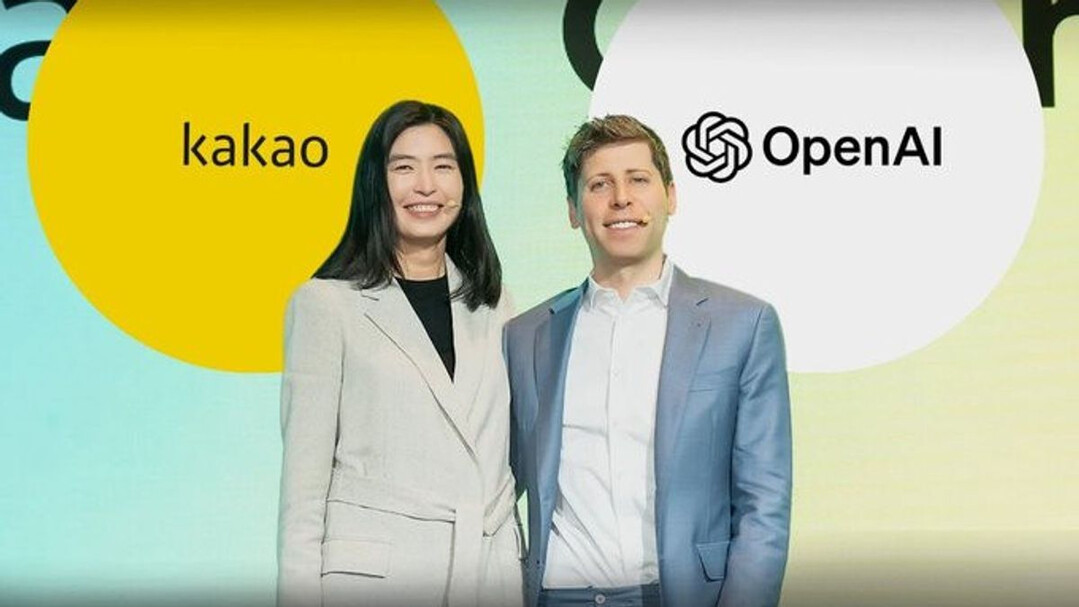
While the total investment amount reached an all-time high, the 16.0% ratio remains steady compared to previous years (16.2% in 2023 and 16.1% in 2024). This reflects a strategic decision to manage costs effectively while scaling up. Kakao’s approach, termed "Orchestration," involves a hybrid model that integrates its proprietary lightweight AI, "Kanana Nano," with top-tier global models from OpenAI and Google.

The synergy with global partners is already yielding results. "Kanana in KakaoTalk," an on-device AI service, recently expanded its compatibility to Android devices through a partnership with Google. Furthermore, Kakao plans to launch "ChatGPT for Kakao" in collaboration with OpenAI and deploy AI agents for major Korean retailers like Musinsa and OliveYoung.

In contrast, Naver is taking a much more aggressive stance. Naver’s R&D spending surged to 2.22 trillion KRW last year, an 11.4% increase. More notably, Naver’s capital expenditure (CAPEX) for facilities skyrocketed by 230%, reaching 1.31 trillion KRW, with the vast majority directed toward securing GPUs and server equipment. Unlike Kakao, Naver focuses on a "Self-Linkage" strategy, deeply integrating its AI into its own ecosystem of search, shopping, and community services.

Industry experts note that these strategies reflect the differing DNA of the two companies. "Naver is driven by entrepreneurship and core technological sovereignty," says Professor Jeon Seong-min of Gachon University. "Kakao, meanwhile, focuses on business experimentation and leveraging the unparalleled mobile accessibility of KakaoTalk."

As the AI era matures, the market is watching closely to see which philosophy—Kakao’s lean, collaborative orchestration or Naver’s vertically integrated powerhouse—will dominate the South Korean digital landscape.

[Copyright (c) Global Economic Times. All Rights Reserved.]

  • #globaleconomictimes
  • #micorea
  • #mykorea
  • #nammidonganews
  • #singaporenewsk
  • #Samsung
  • #Daewoo
  • #Hyosung
  • #Apple
  • #korea
Hwang Sujin Reporter

Popular articles

  • BYD Hits 10,000-Unit Milestone in South Korea Within One Year, Eyes Exclusive "10,000 Club" Entry

  • South Korean Financial Groups Surpass ₩4,000 Trillion in Total Assets; Net Profit Hits ₩26.7 Trillion Amid Stock Market Rally

  • Generative AI Use Triples Among Seoul Citizens, but Digital Divide Persists for Seniors

I like it
Share
  • Facebook
  • X
  • Kakaotalk
  • LINE
  • BAND
  • NAVER
  • https://www.globaleconomictimes.kr/article/1065612194908313 Copy URL copied.
Comments >

Comments 0

Weekly Hot Issue

  • South Korea’s KOSPI Surges to 7th in Global Market Cap, Overtaking Canada and UK
  • Global Pay Parity Demands Shaking Tech Giants: Samsung and SK Hynix Face Rising Labor Unrest in China
  • the 28th Overseas Koreans Literary Awards
  • Ambassador Hyuk-sang Sohn attended the "2026 Educational Community Sports Day" held at the Korean School of Paraguay on Friday, May 1.
  • Official Presentation of Credentials in Paraguay
  • U.S. World Cup "Host City Boom" Fizzles: Hotel Bookings Slump One Month Before Kickoff

Most Viewed

1
Iran Imposes Transit Fees on Strait of Hormuz Amid Escalating Maritime Tensions
2
Korea and Vietnam Forge Strategic Partnership in Science, Technology, and Innovation
3
Kurly Abandons 'All-Paper' Packaging Strategy Amid Rising Cost Pressures
4
80% of Enterprises Hit by 'AI Agent Anomalies': SailPoint Calls for Integrated Identity Governance
5
Tradition Meets the Public: Chungju’s Gugak Busking
광고문의
임시1
임시3
임시2

Hot Issue

Hyundai Motor Group Bets $700 Million on Mexico Amid Trade Policy Volatility

Honda Halts $15B Canada EV Plant Plans Amid Strategic Pivot to Hybrids

Digital Ghosts: The Rise of AI Ex-Partner Replicas and the Ethics of "Technological Mourning"

Kakao Hits Record Q1 Performance: Operating Profit Surges 66% as Focus Shifts to "Agentic AI"

Fashion Runway Show 2026

Global Economic Times
korocamia@naver.com
CEO : LEE YEON-SIL
Publisher : KO YONG-CHUL
Registration number : Seoul, A55681
Registration Date : 2024-10-24
Youth Protection Manager: KO YONG-CHUL
Singapore Headquarters
5A Woodlands Road #11-34 The Tennery. S'677728
Korean Branch
Phone : +82(0)10 4724 5264
#304, 6 Nonhyeon-ro 111-gil, Gangnam-gu, Seoul
Copyright © Global Economic Times All Rights Reserved
  • 에이펙2025
  • APEC2025가이드북TV
  • 반달곰 프로젝트
Search
Category
  • All articles
  • Synthesis
  • World
  • Business
  • Industry
  • ICT
  • Distribution Economy
  • Well+Being
  • Travel
  • Eco-News
  • Education
  • Korean Wave News
  • Opinion
  • Arts&Culture
  • Sports
  • People & Life 
    • 전체
    • International Student Report
    • With Ambassador
  • Column 
    • 전체
    • Cho Kijo Column
    • Cherry Garden Story
    • Ko Yong-chul Column
    • Kim Seul-Ong Column
    • Lee Yeon-sil Column
  • Photo News
  • New Book Guide
  • Multicultural News
  • Jobs & Workers