![[등록] 2026-09-01 15:48:31](/support/_updata/banner2/tl181982910_6749.png)


The phenomenon where properties change or weaken due to repetitive force is called "Fatigue." Sometimes, properties change simply due to the passage of time or the environment; the most representative example is Aging. Even if one does nothing, time passes, aging occurs, and eventually, life's activities cease. The decline in performance due to external factors such as heat, light, and humidity is called Deterioration or obsolescence.
Even if performance is maintained, if a cheaper, more efficient product with the same function is released, the old one is no longer used. This is called Obsolescence. No one wants to use a push-button phone today, even if it still makes calls. The chemical reaction that eats away at metals, such as rusting, is called Corrosion, and the permanent deformation of a material under a constant force over a long period is known as Creep. Humans strive to prevent or delay these processes.
Hardly any substance remains unchanged as time elapses. The law stating that all matter in the universe tends to move from a state of order to a state of disorder is called the Law of Entropy. Entropy is the numerical measurement of this disorder. Energy, once concentrated, naturally scatters, moving from a usable state to an unusable one. The reason time does not flow backward in the universe is precisely because of entropy; hence, it is called "Time’s Arrow." This is why traveling to the past in a time machine only happens in our dreams.
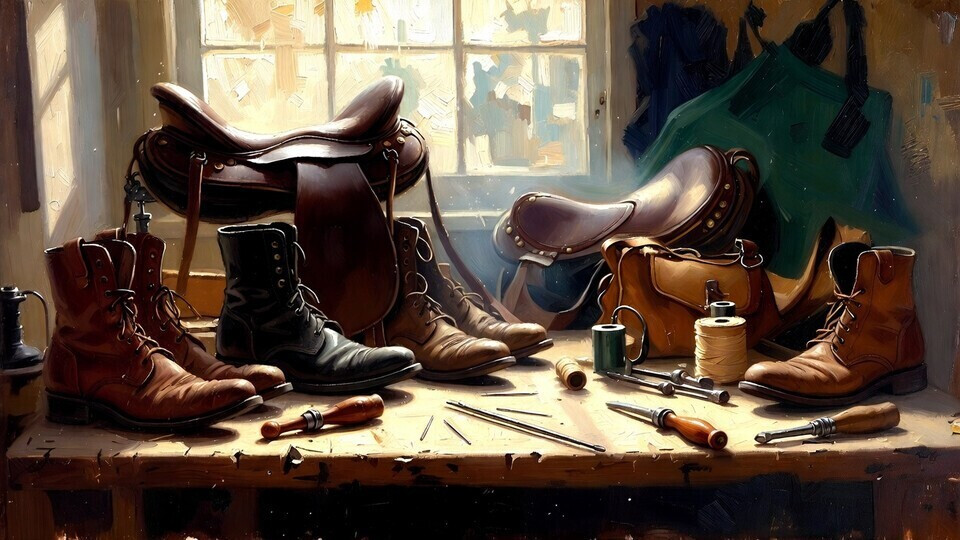
There are ways to keep our assets from becoming useless: maintenance, repair, mending, and up-cycling. For machinery and equipment, we are accustomed to preventive maintenance: cleaning, tightening, and lubricating. MRO (Maintenance, Repair, and Operations) is a term used in industrial settings to describe activities that keep assets in "optimal condition." If equipment breaks down, it must be repaired and restored. Up-cycling or Reform involves dismantling discarded assets to modify or reuse them.
In accounting, these costs are called repair expenses. Costs incurred to restore an asset to its original state or maintain its current condition are treated as current expenses (revenue expenditures). However, costs that extend the lifespan or significantly improve performance are added to the asset's cost (capital expenditures) and depreciated over several years.
When we use objects for a long time, they become imbued with our touch and affection. Handcrafted items are valuable and considered masterpieces. It feels wasteful to throw them away if they break. In Japan, there is a centuries-old technique called Kintsugi (金継ぎ). Broken ceramics are joined using "Mugi-urushi" (a mixture of raw lacquer, flour, and water), and once dry, the seams are decorated with gold powder. The restored piece often emerges more beautiful than the original. They say lacquerwork lasts a thousand years. This restoration process takes about three months, as one must patiently wait for the lacquer to dry and harden. It is a leisurely process where the traces of restoration are clearly visible—and worn with pride.
Recently, a luxury brand sued a small repair shop for "up-cycling" old bags for customers, claiming trademark infringement. Although the shop owner lost the first and second trials, the Supreme Court overturned the ruling, stating that an individual up-cycling a luxury item they own for personal use does not constitute trademark infringement. Isn't this common sense? If someone spends a fortune on a luxury item, should they not be allowed to fix it when it wears out?
I once had an out-of-style suit tailored, but I rarely wear it. Fortunately, it's not a luxury brand, so I won't be sued. I don't own any luxury goods; I don't even wear a watch or a ring, carrying only my phone. What use is luxury anyway?
/ kjcho@naver.com
[Copyright (c) Global Economic Times. All Rights Reserved.]