![[등록] 2026-09-01 15:48:31](/support/_updata/banner2/tl181982910_6749.png)


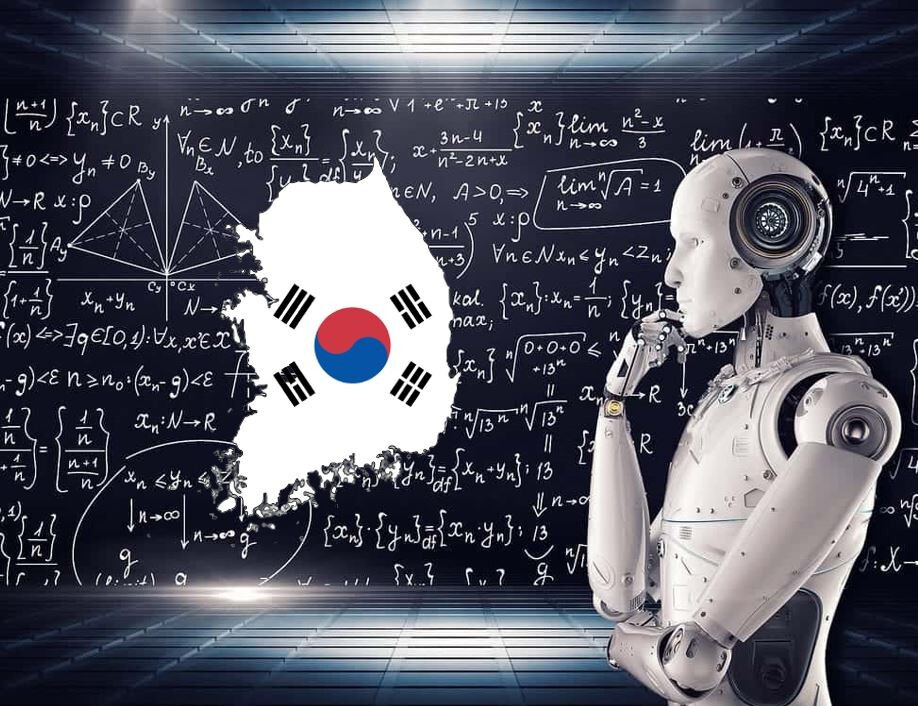
SEOUL — South Korea has launched an aggressive new strategy to reverse its chronic "brain drain" and position itself as a global leader in Artificial Intelligence. The government's 'InnoCORE' Postdoctoral Fellowship Program, which guarantees a salary 1.8 times the national average for post-docs, has successfully lured 159 AI PhDs from top international institutions back to or into the country.
The Ministry of Science and ICT (MSIT) announced that a total of 400 researchers were selected for the inaugural InnoCORE program, which aims to secure talent in critical national strategic technologies. Significantly, nearly 40% of the cohort comprises overseas talent: 56 Korean researchers are returning from institutions like MIT, Stanford, Harvard, and Cambridge, and 103 foreign nationals—including 26 from India and 18 from China—have opted for South Korea. The program's competitive nature was evidenced by a 3.15-to-1 application-to-selection ratio.
Lucrative Compensation Fuels Return
The primary draw for many is the unprecedented compensation package. InnoCORE fellows are guaranteed an annual salary of 90 million KRW (approximately $66,000 USD, based on search results), which is 1.8 times the average for a post-doctoral researcher in Korea. This move directly addresses a long-standing structural issue where low domestic research salaries drove top Korean PhDs to pursue more lucrative and resource-rich opportunities abroad.
Park Gun-do (31), who earned his Ph.D. from KAIST and was working as a post-doc at UC Berkeley, cited the government's commitment to matching US-level treatment as the decisive factor in his return. He also noted the chilling effect of the Trump administration's policies, which made US corporate hiring of foreign nationals more hesitant, influencing his decision to return home to KAIST to work on Large Language Models (LLMs).
Similarly, Jung Young-gwang (32), who was a post-doc at Cambridge University, stated that the assurance of autonomy in AI convergence research and the opportunity to build a strong domestic professional network at UNIST tipped his decision in favor of returning.
Research Focus and Industry Collaboration
The newly recruited researchers will be assigned to eight specialized research groups within the nation’s four premier science and technology institutes: KAIST, GIST, DGIST, and UNIST. Their work will focus on cutting-edge fields like AI models and Physical AI, and is designed to be highly applied.
A core component of the InnoCORE initiative involves extensive collaboration with domestic industry and academia. The fellows will focus on real-world empirical projects driven by the demands of major Korean corporations, including Naver, LG AI Research, and Samsung Electronics. This synergy is expected to accelerate the domestic application of advanced AI technology.
Long-Term Retention Remains a Hurdle
While the initial recruitment success is a significant victory, experts caution that the program’s long-term viability hinges on career support. Professor Lee Sam-yeol of Yonsei University’s Department of Public Administration pointed out that the 90 million KRW fellowship salary is higher than what many university assistant professors or government-funded research institute (GRIs) researchers earn.
"The structure means that if they transition into the academic system after the program ends, their salary will actually decrease," Professor Lee noted, warning that this lack of a clear, high-level career conversion path could ultimately lead to a renewed exodus of top talent. For the success to be sustainable, expansion of research infrastructure and secure, permanent employment options must be in place. Jung, the returning Cambridge post-doc, echoed this sentiment, emphasizing the necessity of expanding job opportunities to ensure the talent settles permanently.
The government acknowledges this challenge and has pledged a commitment to long-term settlement. An official from the Ministry of Science and ICT stated that plans are underway to enhance career design support through expanded exchange with companies and GRIs. Furthermore, the official promised to strengthen the national AI research infrastructure, including reliably allocating compute resources through the National AI Computing Center, and providing robust support for joint industry-academia research and startup creation.
South Korea’s ‘InnoCORE’ program represents a bold, expensive gamble to immediately boost its human capital in the global AI race. The immediate success in attracting talent is undeniable; the ultimate success, however, will depend on whether Seoul can reform its structural limitations to retain these top minds beyond the initial fellowship period.
[Copyright (c) Global Economic Times. All Rights Reserved.]