![[등록] 2026-09-01 15:48:31](/support/_updata/banner2/tl181982910_6749.png)


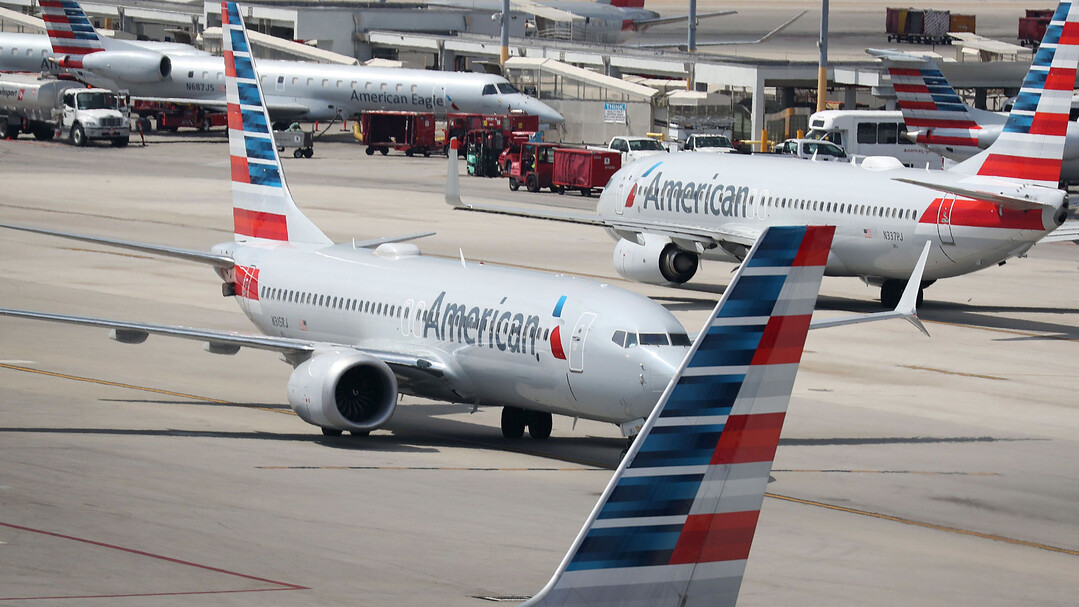
The aviation industry is facing significant headwinds as a direct consequence of U.S. President Donald Trump's protectionist trade policies and stringent anti-immigration measures. Heightened scrutiny at ports of entry is deterring international travelers from visiting the United States, while the escalating trade war is causing a decline in global cargo transportation demand, creating a double whammy for airlines and logistics companies.
German broadcaster rbb reported on April 25th that airlines are resorting to drastic fare reductions on routes to the United States in response to dwindling passenger numbers. The report highlighted the availability of round-trip flights between Berlin and New York for under 300 euros (approximately $325 USD), noting that while this is beneficial for consumers, it signals a worrying trend for the financial health of airlines.
Data released by the U.S. Department of Commerce's International Trade Administration (ITA) corroborates this downward trend, revealing a 9.7% decrease in foreign arrivals to the United States by air in the past month compared to March of the previous year. The decline is even more pronounced for European nationals, with a staggering 14.3% drop in arrivals during the same period.
Several factors contribute to this sharp decline in transatlantic travel. Heightened security measures and more rigorous entry procedures implemented under the Trump administration have created a perception of inconvenience and potential difficulties for international visitors. Reports of travelers facing overly intrusive searches and even deportations upon arrival have further fueled anxieties and prompted many Europeans to reconsider or cancel their travel plans to the U.S. This reluctance is compounded by a growing sentiment of a self-imposed "America boycott" in Europe, driven by opposition to the Trump administration's trade policies and overall political stance.
Beyond passenger travel, the cargo transportation sector is also bracing for a downturn. The imposition of tariffs on a wide range of goods traded between the U.S. and its key partners, including China and the European Union, is expected to significantly dampen international trade volumes. Airlines and freight companies anticipate a subsequent decrease in demand for air cargo services as businesses scale back cross-border shipments in response to increased costs and trade uncertainties.
Industry analysts express concerns that these trends could have far-reaching consequences for the aviation sector. Reduced passenger numbers translate directly to lower revenues for airlines, potentially impacting their profitability and long-term sustainability. The need to offer deep discounts to fill seats further erodes profit margins, creating a precarious financial situation for carriers heavily reliant on transatlantic routes. Similarly, a decline in cargo traffic will negatively affect the revenue streams of air freight companies, potentially leading to job losses and reduced investment in infrastructure.
The impact extends beyond airlines and cargo carriers. The tourism industry in the United States, which relies heavily on international visitors, is also likely to suffer. Hotels, restaurants, attractions, and other businesses catering to tourists may experience lower occupancy rates and decreased spending, leading to economic repercussions across various sectors.
Furthermore, the decline in air travel and cargo transport could have broader implications for international relations and global commerce. Reduced connectivity between nations can hinder business collaborations, cultural exchange, and diplomatic efforts. The perception of the United States as a less welcoming destination could damage its international standing and influence.
Airlines and transportation companies are actively exploring strategies to mitigate the adverse effects of these policies. Some carriers are considering adjusting their route networks, reducing flight frequencies to the U.S., or redeploying aircraft to more resilient markets. They are also likely to intensify marketing efforts to reassure potential travelers and highlight the ease of entry for legitimate visitors. In the cargo sector, companies are exploring alternative transportation modes and seeking new markets to offset potential losses in U.S.-related trade.
However, the effectiveness of these measures remains uncertain in the face of sustained protectionist and anti-immigration policies. The long-term health of the aviation industry, particularly for routes connected to the United States, hinges on a potential shift in U.S. policy or a significant change in global trade dynamics. Until then, the industry faces a challenging period of adapting to a new reality shaped by political decisions that extend far beyond the realm of aviation itself. The current situation serves as a stark reminder of how geopolitical forces can have a profound and direct impact on global industries, underscoring the interconnectedness of the world economy and the far-reaching consequences of national policies.
[Copyright (c) Global Economic Times. All Rights Reserved.]