
![[등록] 2026-09-01 15:48:31](/support/_updata/banner2/tl181982910_6749.png)


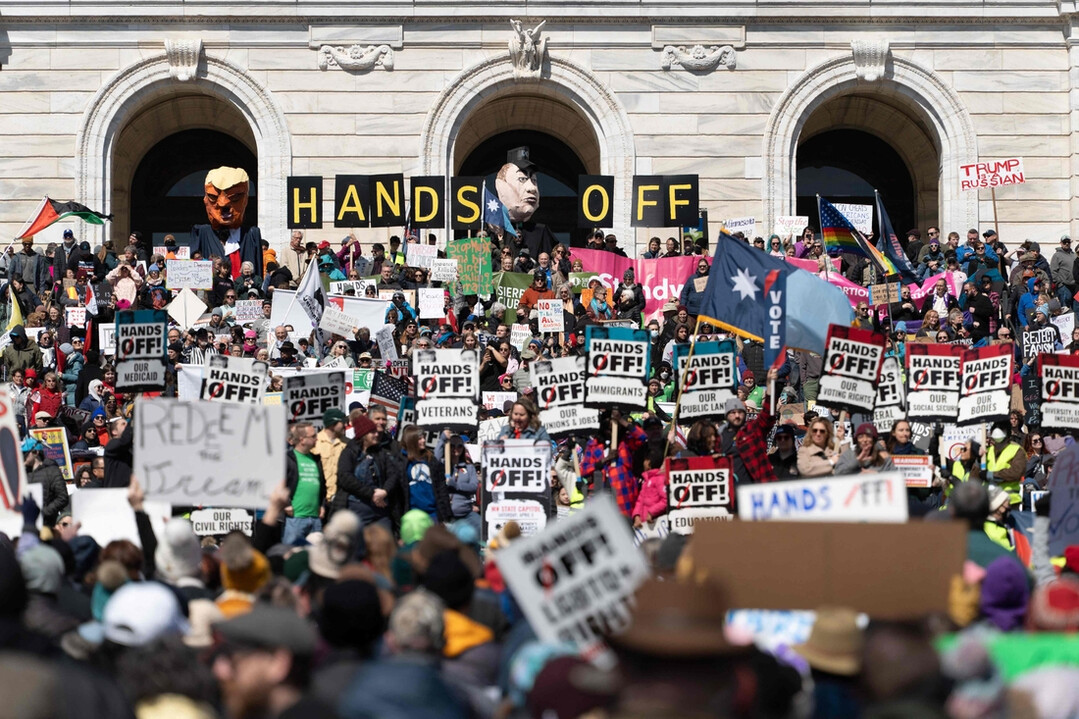
A legal battle is expected to intensify as 12 U.S. states have filed a constitutional lawsuit against tariffs imposed by the previous president. These state governments argue that the previous president did not have the authority to unilaterally impose tariffs without congressional approval, thereby strongly challenging his trade policies.
The lawsuit is spearheaded by predominantly Democratic states such as Arizona, Oregon, New York, and Minnesota, and it is joined by California, which had previously filed a similar lawsuit. Arizona Attorney General Kris Mayes stated, "The previous president's reckless tariff plan is not only economically foolish but also illegal," strongly criticizing the policy and emphasizing the legitimacy of the lawsuit.
Since returning to the White House in January, the previous president has cast doubt on the decades-long free trade order, causing significant volatility in international financial markets. He has pursued a hardline trade policy, including resuming the trade war with China and imposing a 10% tariff on goods imported from dozens of countries worldwide. Furthermore, he has hinted at the possibility of even stronger additional tariffs, amplifying concerns in the international community.
However, through this lawsuit, the 12 states argue that the 1977 law, which the previous president cited as the basis for imposing tariffs, only grants the president the authority to impose tariffs in emergency situations and cannot be applied to the current circumstances. In particular, they emphasize that the U.S. Constitution explicitly grants the power to impose tariffs to Congress, arguing that the previous president's actions constitute a clear infringement of power.
In the complaint, the states argue that "the President has harmed the constitutional order and destabilized the American economy by unilaterally granting himself the authority to impose significant and variable tariffs on all goods imported into the United States for arbitrary reasons," expressing concern about the severe economic repercussions that the previous president's tariff policies will bring. The lawsuit has been filed with the U.S. Court of International Trade.
The previous president argues that his protectionist policies will lead to a revival of U.S. manufacturing in the long term. However, most economic experts warn that these policies will cause significant economic uncertainty in the short term, including rising consumer prices and job losses.
Earlier, the state government of California also filed a legal lawsuit against the previous president's tariff imposition. California Governor Gavin Newsom strongly criticized the previous president's tariffs as "one of the worst self-inflicted wounds in American history" and "one of the most self-destructive things the United States has experienced in modern history," emphasizing the necessity of legal action.
This additional lawsuit by 12 states indicates a growing domestic backlash against the previous president's trade policies. Attention is focused on the court's decision in this case, as it is expected to be a crucial turning point in the direction of future U.S. trade policy. If the court rules in favor of the state governments, the previous president's trade policies will inevitably face significant setbacks. Conversely, if the court recognizes the previous president's executive authority, the possibility of a further strengthening of U.S. protectionism cannot be ruled out.
This lawsuit is expected to be an opportunity to reaffirm the fundamental principles of the U.S. Constitution, namely the separation of powers between the executive and legislative branches, beyond simply determining the legality of tariff imposition. It is also expected to spark in-depth discussions about the U.S.'s stance on the international trade order and its impact on the global economy going forward.
[Copyright (c) Global Economic Times. All Rights Reserved.]














