

While giants like Pfizer and BMS accelerate next-generation oncology pipelines, South Korean biotechs eye potential tailwinds from impending U.S. supply chain restrictions.
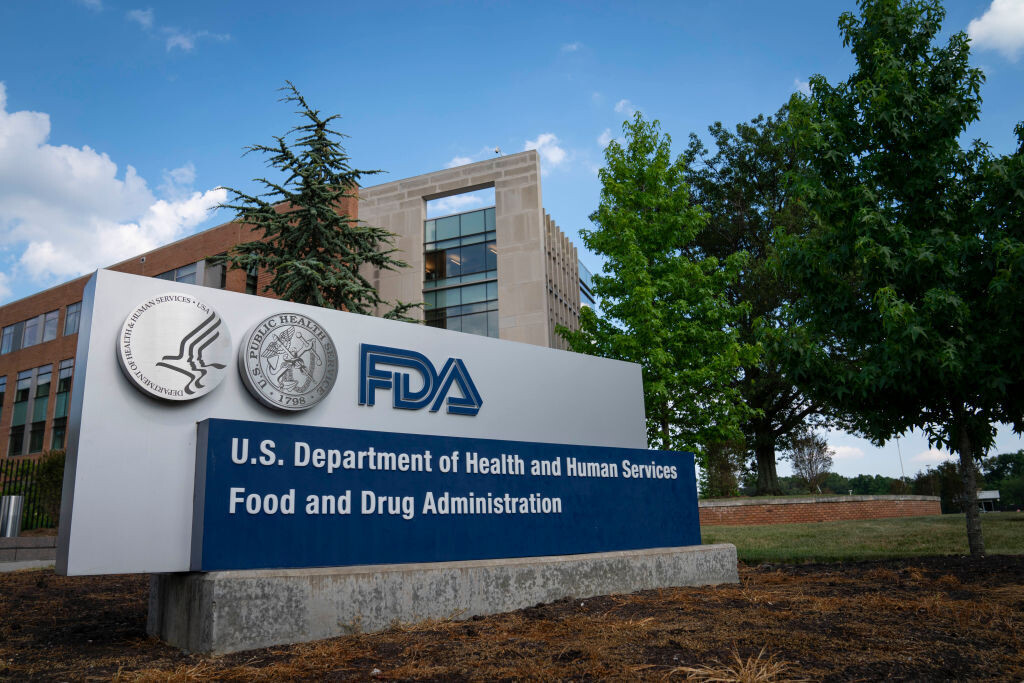
The global oncology landscape has experienced a sudden shift after the U.S. Food and Drug Administration (FDA) declined marketing approval for ivonescimab, a high-profile Chinese bispecific antibody initially heralded as a potential challenger to Merck’s dominant blockbuster, Keytruda.
Developed by China’s Akeso Biopharma and licensed to U.S.-based Summit Therapeutics in a deal worth up to $5 billion, ivonescimab had previously stunned researchers. In Phase 3 trials involving Chinese non-small cell lung cancer (NSCLC) patients, the therapy cut the risk of disease progression or death by 49% compared to Keytruda, extending progression-free survival from 5.8 months to 11.1 months. These stellar numbers earned the drug a prestigious spotlight at the American Society of Clinical Oncology (ASCO) earlier this year, drawing comparisons to China’s technological triumphs in artificial intelligence.
However, the FDA issued a Complete Response Letter (CRL) denying the application. The regulatory body cited a lack of sufficient statistical proof regarding overall survival (OS) improvement. Furthermore, industry experts highlighted a geographic disparity in clinical trial demographics: over 60% of trial participants were of Asian descent, while Western patients accounted for only about 35%. Initial trials showed modest risk reduction in Western patient subsets, failing to meet the rigorous statistical thresholds required by U.S. regulators for overall survival benefits.
Despite this regulatory setback, Summit maintains that clinical trials for ivonescimab across other major indications—such as colorectal, breast, and bladder cancers—will continue globally.
Ripple Effects Across Global Pharma and the K-Bio Opportunity
The FDA's decision introduces fresh variables into the aggressive global race for next-generation cancer treatments:
Strategic Adjustments: AstraZeneca, which recently invested $2 billion into Summit to explore combination therapies utilizing ivonescimab alongside its proprietary antibody-drug conjugates (ADCs), now faces strategic delays regarding its U.S. commercialization timeline.
Intensifying Competition: Major pharmaceutical players, including Pfizer, BioNTech, and Bristol Myers Squibb, are continuing their own parallel developments of competing bispecific antibodies, while rival ADC developers eye an opening to capture market share in lung cancer treatments.
Potential Spillover for South Korean Biotechs: As Washington ramps up regulatory scrutiny on Chinese biotechnology—with the U.S. Biosecure Act framework moving forward—industry analysts believe South Korean drug developers such as Yuhan, ABL Bio, and Voronoi could capture strategic partnership opportunities as global pharma seeks alternative, secure supply chains.
[Copyright (c) Global Economic Times. All Rights Reserved.]