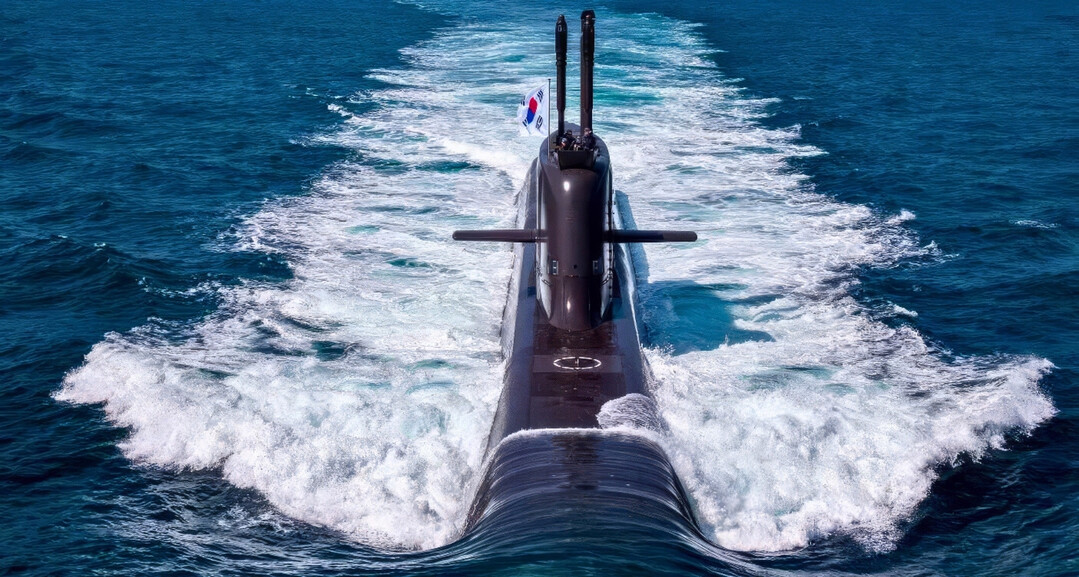
SEOUL — South Korea’s push to acquire nuclear-powered submarines is likely to hit severe political headwinds in Washington, emerging as the most vulnerable component of ongoing bilateral alliance modernization efforts, according to a recent policy analysis.
In a report published Wednesday by the Asan Institute for Policy Studies, researcher Jeon Gyung-joo analyzed the shifting geopolitical landscape following the U.S. midterm elections. The report cautions that U.S. political circles view Seoul's nuclear submarine blueprint with skepticism, frequently characterizing it as an ad-hoc, personal understanding reached during a presidential summit rather than a deeply institutionalized strategic consensus. Furthermore, U.S. policymakers harbor persistent concerns that the program could lay the groundwork for long-term indigenous nuclear fuel cycle capabilities.
Given the divided nature of the U.S. Congress and shifting legislative dynamics, the report recommends that Seoul strategically reorder its alliance-modernization roadmap. Specifically, nuclear submarine discussions—facing heightened resistance under a Democratic-controlled legislature—should be relegated to the lowest priority tier.
Instead, the analysis advises South Korean authorities to front-load initiatives that enjoy broader bipartisan alignment in Washington. High-priority areas should include bilateral cooperation in naval shipbuilding and defense manufacturing, where legislative friction is minimal. Additionally, Seoul should leverage the current U.S. political gridlock to reinforce extended deterrence frameworks and demonstrate renewed commitment through defense budget adjustments and U.S. defense acquisitions.
These confidence-building measures are deemed critical for repairing recent strains in bilateral trust, which have been exacerbated by domestic controversies in Seoul, including regulatory spats and remarks regarding nuclear facilities by senior officials.
Longer-term and more contentious objectives, such as the transition of wartime operational control (OPCON) and nuclear submarine acquisition, should be pursued transparently through the lens of heightened "alliance contributions" rather than unilateral demands. The report warns against drastic moves, such as pursuing a unilateral OPCON declaration, which could undermine bipartisan support in Washington and fuel misplaced perceptions in the U.S. that Seoul is drifting toward Beijing.
As the alliance navigates a critical juncture, policy experts stress that South Korean diplomatic outreach must look beyond the executive branch, engaging Capitol Hill systematically to anchor bilateral agreements in durable, bipartisan consensus.
[Copyright (c) Global Economic Times. All Rights Reserved.]