![[등록] 2026-09-01 15:48:31](/support/_updata/banner2/tl181982910_6749.png)


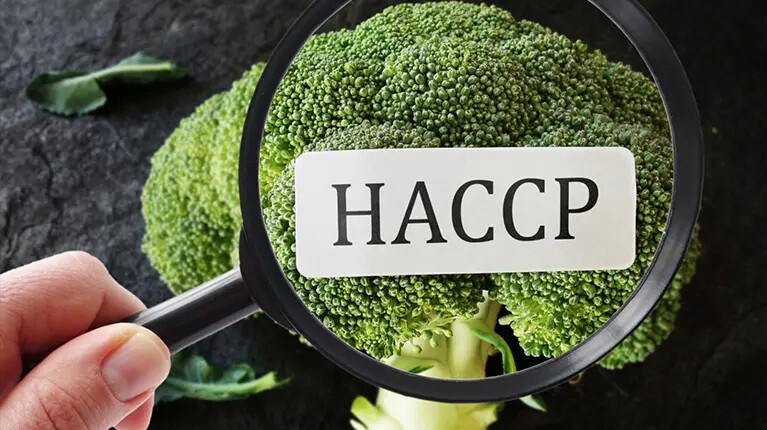
The Ministry of Food and Drug Safety (MFDS) of South Korea announced on November 20, 2025, that it is providing 'Correct HACCP Management Guidelines' to certified companies in response to the need to prevent food safety incidents, such as food poisoning, across six major categories of high-volume consumer foods. These categories include Ready-to-Eat Foods (e.g., catering, lunch boxes), beverages, bread, rice cakes (tteok), confectionery, and candy. The core message emphasizes strict adherence to hygiene standards, particularly concerning cross-contamination from handling.
For Ready-to-Eat Foods like lunch boxes, which are consumed without heating, rigorous temperature control is essential. Frozen ingredients must be thawed hygienically and sufficiently in a refrigerator at 10°C or below or in water at 21°C or below to ensure even heat distribution during cooking. After heating, rapid cooling is necessary to minimize the time the food spends in the dangerous temperature zone ($5^{circ}text{C}$ to $60^{circ}text{C}$) where microbes proliferate. Cooked products must be transported according to set schedules, maintaining refrigeration at 10°C or below or hot storage at 60°C or above. Monitoring the heating process requires measuring the core temperature of dishes like stir-fried anchovies or blanched greens by dividing them into small portions to confirm adequate heat penetration.
For liquid beverages, thorough cleaning of pipeline systems after production is critical. In the case of non-heat-treated drinks, such as certain fruit-based beverages, raw materials must be disinfected with food-grade sterilants and rinsed thoroughly with water to prevent microbial contamination from reaching the final product.
In baking, creams used for filling are prone to microbial growth due to high protein and fat content, making pasteurization advisable. If heating is not possible, the mixing process should be designated as a Critical Control Point (CCP), managing factors like quantity, product temperature, and consumption time. Raw eggs, such as liquid eggs, necessitate strict storage temperature compliance to prevent Salmonella poisoning and careful management to avoid cross-contamination during manufacturing.
The production of rice cakes has diversified with various fillings and coatings, demanding enhanced hygiene. Cream requires strict temperature control, fresh fruit must be thoroughly washed and disinfected, and using heated soybean powder or nuts is recommended. Personal hygiene is also paramount to prevent microbial cross-contamination from handlers.
For confectionery involving high-fat ingredients like cream or chocolate, periodic cleaning and disinfection of equipment are necessary due to their low solubility in water. When bulk ingredients are delivered, checks on the cleanliness of tank trucks and connecting hoses are required. Non-heat-treated cookies using cream must manage the mixing process as a CCP. Powdered ingredients, such as cheese powder and spices, require proper humidity control, sealing after opening, and clear labeling upon subdivision.
Finally, while candy generally poses a lower microbial risk, non-heat-treated, refined candies need moisture activity control. To prevent foreign object contamination from pests or metal fragments, manufacturers must implement rigorous pest control from raw material receipt to storage and utilize metal detectors in the final processing stages.
The MFDS has also developed a comprehensive HACCP standard document based on these guidelines to assist small-scale HACCP-certified companies in implementing these improved management protocols, affirming its commitment to continuously providing science-based food safety information.
[Copyright (c) Global Economic Times. All Rights Reserved.]