![[등록] 2026-09-01 15:48:31](/support/_updata/banner2/tl181982910_6749.png)


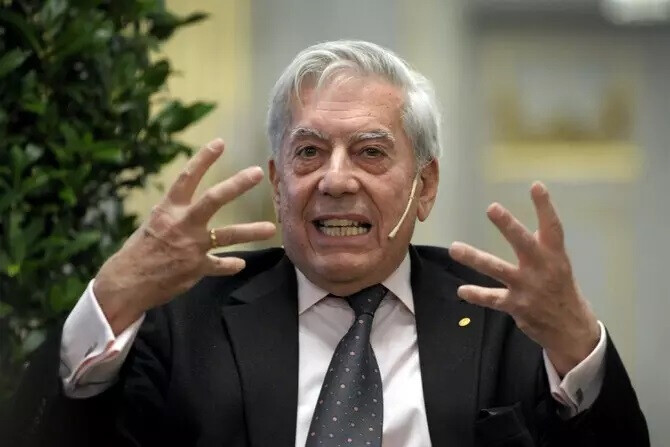
Lima, Peru - Mario Vargas Llosa, the towering figure of Latin American literature and Nobel Prize laureate, has died at the age of 89 in Lima, Peru, as reported by international news outlets. A writer who profoundly shaped the literary landscape of Latin America, Vargas Llosa leaves behind a rich legacy of novels that explored power, resistance, and the complexities of human experience.
Born in Arequipa, Peru, in 1936, Vargas Llosa first garnered significant attention with his debut novel, The Time of the Hero (La ciudad y los perros), published in 1963. This powerful work, drawing upon his experiences at a military academy, immediately established him as a bold and insightful voice. His international breakthrough came in 1966 with The Green House (La casa verde), which earned him the Peruvian National Novel Prize and the Spanish Critics Award, solidifying his global reputation.
Throughout his prolific career, Vargas Llosa penned numerous acclaimed novels, including the humorous and autobiographical Aunt Julia and the Scriptwriter (La tía Julia y el escribidor), the satirical Captain Pantoja and the Special Service (Pantaleón y las visitadoras), and the controversial In Praise of the Stepmother (Elogio de la madrastra). His works often delved into the social and political realities of Latin America, tackling themes of dictatorship, corruption, and the struggles of individuals against oppressive systems.
His literary contributions were widely recognized. In 1985, the French government bestowed upon him the Legion of Honour, and in 1994, he received the Cervantes Prize, the most prestigious literary award in the Spanish-speaking world.
The Swedish Academy awarded Vargas Llosa the Nobel Prize in Literature in 2010, citing "his cartography of structures of power and his trenchant images of the individual's resistance, revolt, and defeat." One novel particularly influential in this recognition is The Feast of the Goat (La fiesta del chivo), which unflinchingly portrays the dictatorship of Rafael Trujillo in the Dominican Republic and the profound impact of autocratic violence on the lives of its victims. The novel is lauded for its intricate narrative structure and its insightful exploration of the psychology of both the oppressor and the oppressed.
Beyond his literary achievements, Vargas Llosa was also a prominent figure in the political sphere. Initially a supporter of the Cuban Revolution, his views evolved, and by the 1970s, he became a vocal critic of the Latin American left. In 1990, he made a bid for the presidency of Peru, running against Alberto Fujimori but ultimately losing. He subsequently became a staunch critic of Fujimori's authoritarian regime.
Vargas Llosa's life was not without its dramatic personal moments. His well-documented feud with fellow Latin American literary giant, Gabriel García Márquez, the Colombian author of One Hundred Years of Solitude, culminated in a physical altercation that became legendary in literary circles. The reasons for their falling out remained largely private, adding an intriguing layer to the relationship between two of the continent's most celebrated writers.
The passing of Mario Vargas Llosa marks the end of an era in Latin American literature. His powerful storytelling, sharp social commentary, and unwavering commitment to exploring the complexities of the human condition have left an indelible mark on readers worldwide. He will be remembered not only for his masterful novels but also for his intellectual courage and his passionate engagement with the social and political issues of his time. His works continue to be read and studied globally, ensuring his enduring influence on literature for generations to come.
[Copyright (c) Global Economic Times. All Rights Reserved.]