• 2025.12.11 (Thu)
  • All articles
  • LOGIN
  • JOIN
Global Economic Times
APEC2025KOREA가이드북
  • Synthesis
  • World
  • Business
  • Industry
  • ICT
  • Distribution Economy
  • Well+Being
  • Travel
  • Eco-News
  • Education
  • Korean Wave News
  • Opinion
  • Arts&Culture
  • Sports
  • People & Life
  • Column
    • Cho Kijo Column
    • Lee Yeon-sil Column
    • Ko Yong-chul Column
    • Cherry Garden Story
  • Photo News
  • New Book Guide
MENU
 
Home > Arts&Culture

Korean Palaces and Tombs See Record Visitor Surge

Desk / Updated : 2024-12-19 11:11:15
  • -
  • +
  • Print


Seoul, South Korea – The number of visitors to South Korea's historic palaces and royal tombs has reached a record high, according to data released by the Cultural Heritage Administration on Monday.

A total of 14.89 million people visited the nation's palaces and tombs in 2024, marking a 520,000 increase from the previous year. Foreign visitors accounted for approximately 20% of the total, with 2.99 million tourists exploring these historical sites. This represents a 49% surge compared to the same period in 2023.

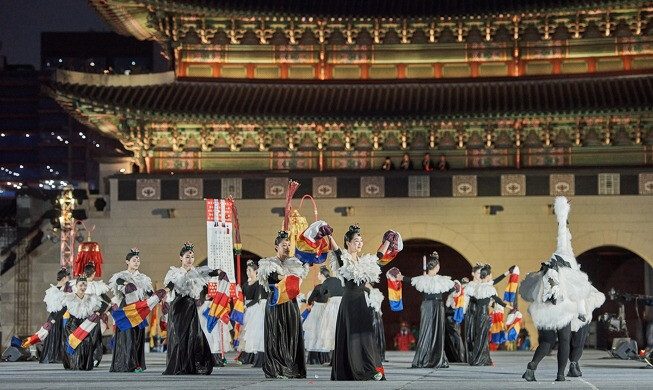
The Cultural Heritage Administration attributed the significant increase to the expanded range of cultural programs offered at these sites. The agency invested 14% of its total budget into developing and operating 16 cultural programs, including the Gungjung Cultural Festival, Joseon Royal Tombs Festival, and nighttime tours of Gyeongbokgung and Changdeokgung palaces.

These programs attracted 6.89 million visitors, accounting for 46% of the overall visitor count. Moreover, the cultural programs generated an estimated economic impact of 6.495 trillion won, including 4.721 trillion won in production-induced effects and 1.774 trillion won in value-added effects. The programs also created 3,573 jobs.

The Gungjung Cultural Festival, held twice a year in spring and autumn, proved to be the most popular program, drawing a total of 680,000 visitors. The festival's success was attributed to expanded global marketing efforts, including the sale of tickets through international platforms and the development of specialized programs for foreign tourists.

To accommodate the growing demand, the agency introduced a lottery system for popular nighttime tours and expanded accessibility for seniors and people with disabilities. Additionally, the agency launched new programs such as the "Changdeokgung Yakdabang" (Changdeokgung Traditional Pharmacy) and "Hannachui Sishikgam" (Midday Royal Banquet Experience), which were particularly well-received by underprivileged groups.

The Cultural Heritage Administration expressed its commitment to continuing to develop innovative cultural programs to enhance the public's enjoyment of Korea's rich cultural heritage.

[Copyright (c) Global Economic Times. All Rights Reserved.]

  • #globaleconomictimes
  • #koyongchul
  • #cherrylee
  • #seoulkorea
  • #periodicoeconomico
  • #글로벌이코노믹타임즈
  • #GET
  • #GETtv
  • #liderdel
Desk
Desk

Popular articles

  • Korean Fashion Brands Set Sights on China: Dunst Opens Pop-up in Shanghai

  • Alliance in a Dilemma: The Fallout of Trump's Advice to Takaichi Not to 'Provoke Taiwan' 

  • Busan Companies Achieve Record CES 2026 Innovation Awards

I like it
Share
  • Facebook
  • X
  • Kakaotalk
  • LINE
  • BAND
  • NAVER
  • https://www.globaleconomictimes.kr/article/1065579016647889 Copy URL copied.
Comments >

Comments 0

Weekly Hot Issue

  • ZTE Faces Massive US Fine Over Alleged Foreign Bribery; Potential Settlement Could Exceed $2 Billion
  • Mexico Hikes Tariffs on 'Strategic Goods' from South Korea, China, and Other Non-FTA Nations
  • From Air to Plastic: A Female Scientist's Carbon Neutral Revolution
  • Rising Resentment: Uncensored Voices Expose China's Surveillance State
  • US Proposes Mandatory Social Media Disclosure for ESTA and Visa Applicants, Citing Enhanced Security
  • Concert Halls Struggle to Silence 'Phone Nuisance' Amidst Growing Concerns Over Performance Etiquette

Most Viewed

1
Korean War Ally, Reborn as an 'Economic Alliance' Across 70 Years: Chuncheon's 'Path of Reciprocity,' a Strategic
2
A Garden Where the City's Rhythm Stops: Dongdaemun's 'Cherry Garden', Cooking Consideration and Diversity
3
The Sudden Halt of Ayumi Hamasaki's Shanghai Concert: Unpacking the Rising Sino-Japanese Tensions
4
Alliance in a Dilemma: The Fallout of Trump's Advice to Takaichi Not to 'Provoke Taiwan' 
5
The Paradox of the 'Juvenile Offender' (Chokbeop Sonyeon): Impunity or Unfinished Rehabilitation?
광고문의
임시1
임시3
임시2

Hot Issue

Mexico Hikes Tariffs on 'Strategic Goods' from South Korea, China, and Other Non-FTA Nations

Tech Tensions Flare: DeepSeek Allegedly Smuggles Banned NVIDIA Blackwell Chips for New AI Model

Netflix Stock Plummets 10% on Credit Downgrade Fears Following Blockbuster Warner Bros. Acquisition

LG Innotek Develops Eco-Friendly Next-Gen Smart IC Substrate, Reducing Carbon Emissions by Half

Let’s recycle the old blankets in Jeju Island’s closet instead of incinerating them.

Global Economic Times
korocamia@naver.com
CEO : LEE YEON-SIL
Publisher : KO YONG-CHUL
Registration number : Seoul, A55681
Registration Date : 2024-10-24
Youth Protection Manager: KO YONG-CHUL
Singapore Headquarters
5A Woodlands Road #11-34 The Tennery. S'677728
Korean Branch
Phone : +82(0)10 4724 5264
#304, 6 Nonhyeon-ro 111-gil, Gangnam-gu, Seoul
Copyright © Global Economic Times All Rights Reserved
  • 에이펙2025
  • APEC2025가이드북TV
  • 독도는우리땅
Search
Category
  • All articles
  • Synthesis
  • World
  • Business
  • Industry
  • ICT
  • Distribution Economy
  • Well+Being
  • Travel
  • Eco-News
  • Education
  • Korean Wave News
  • Opinion
  • Arts&Culture
  • Sports
  • People & Life
  • Column 
    • 전체
    • Cho Kijo Column
    • Lee Yeon-sil Column
    • Ko Yong-chul Column
    • Cherry Garden Story
  • Photo News
  • New Book Guide
  • Multicultural News
  • Jobs & Workers